On 14 February 2017, we celebrated as the parliament here in Malawi voted to amend the Constitution.
They will make it illegal for children under the age of 18 to marry. Before that, children could marry as young as 15 with the consent of parents. This vote was so important, but we also need more than laws to protect children, especially girls. We need education. Not just academic education, but teaching girls about their bodies. This knowledge is the power that can keep girls safe, keep them alive. And I’m so happy that young educated Malawian women are now bringing this power to their local schools.
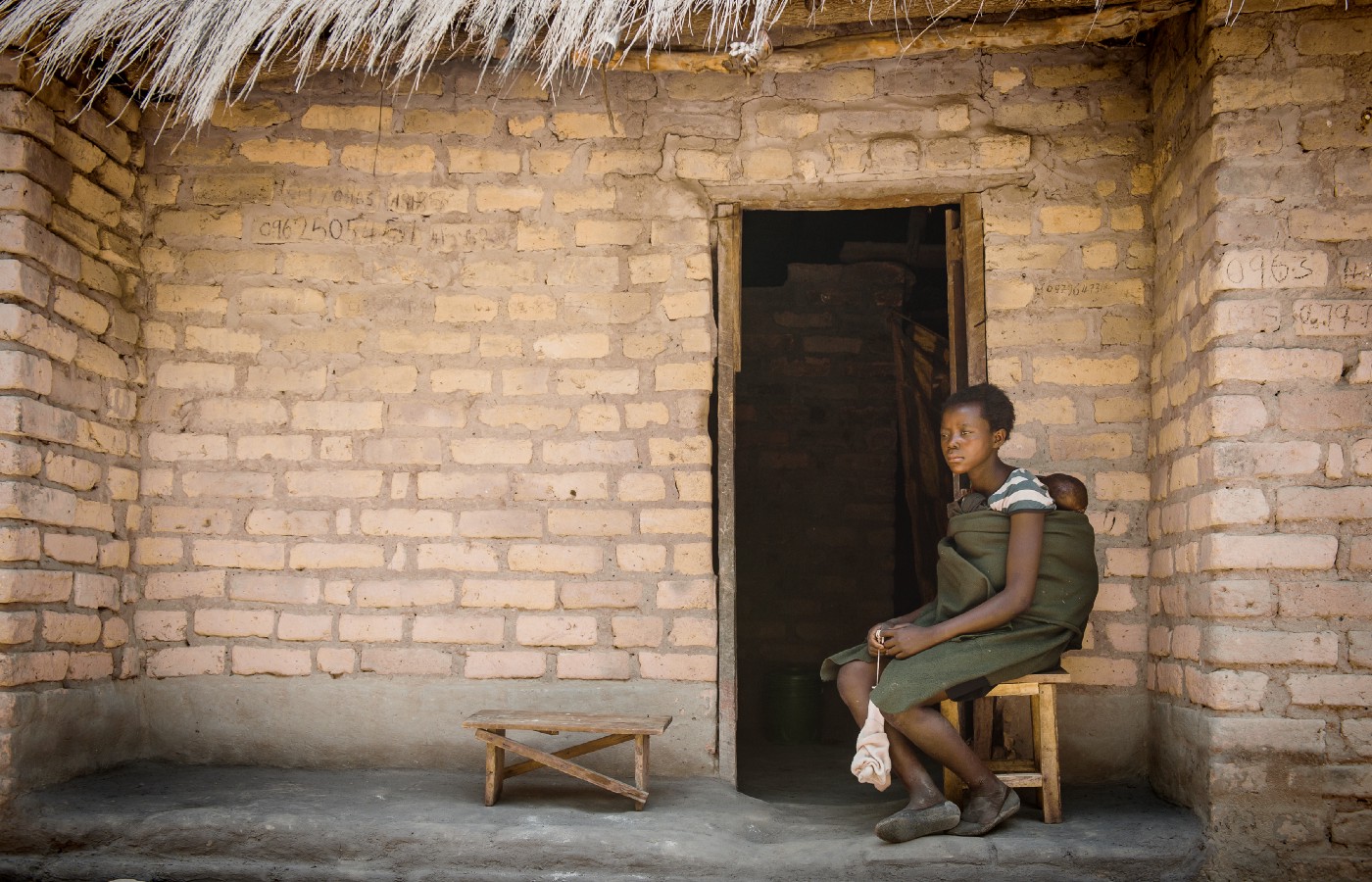
Child marriage and teenage pregnancy are a particular problem, not just because of laws, but because of poverty.
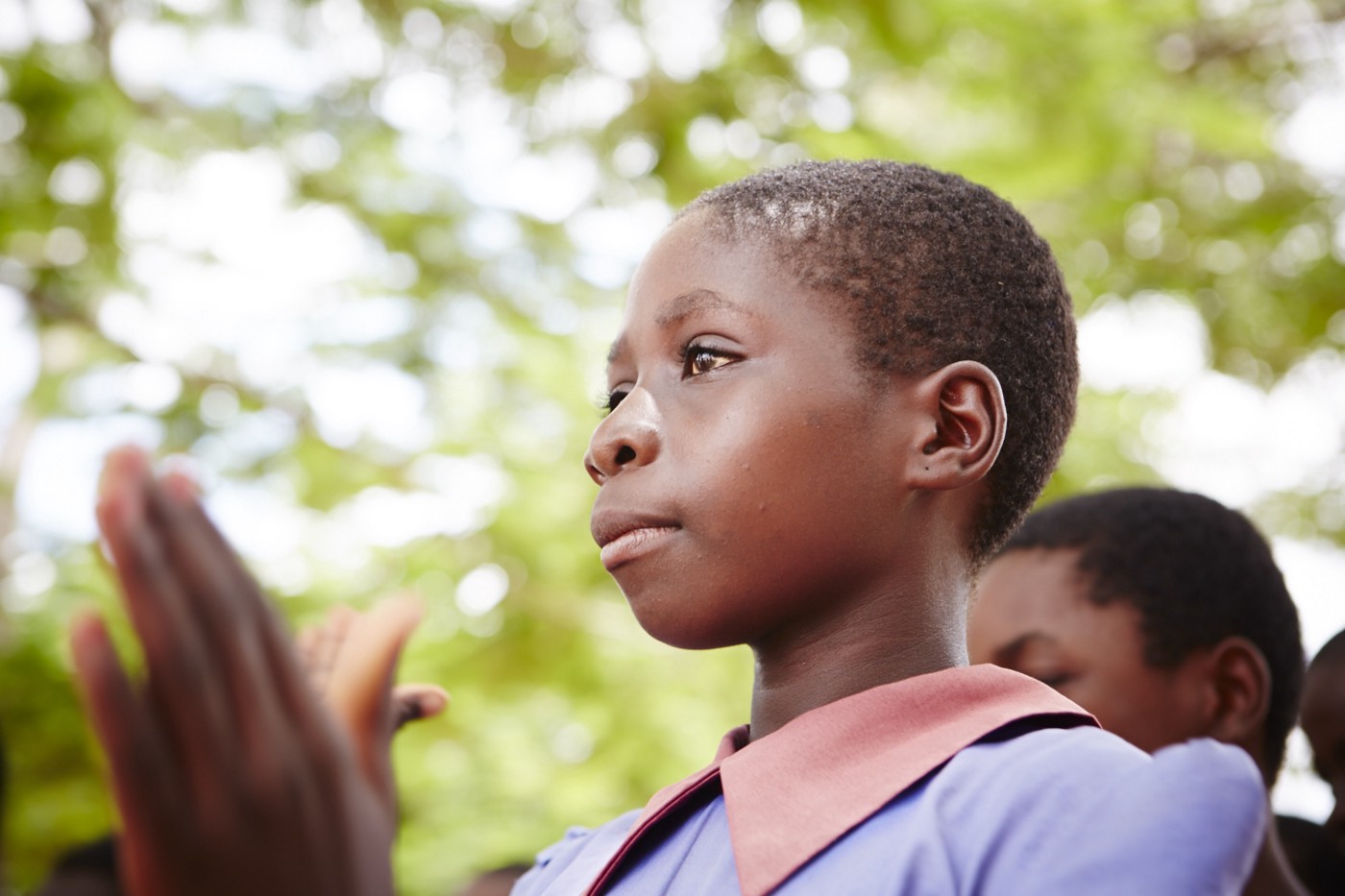
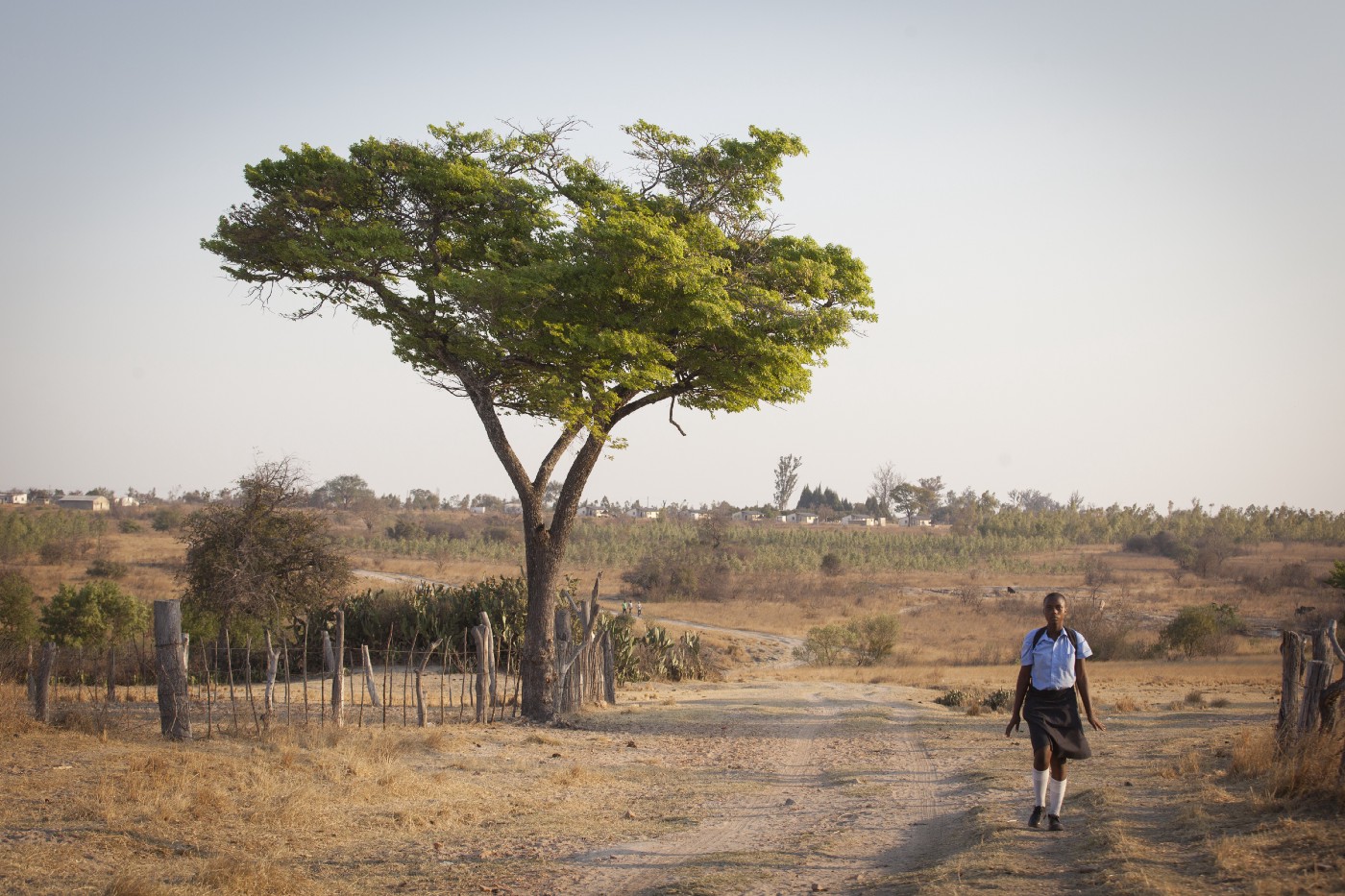
Malawi is the poorest country in Africa. 62% of our people live on less than $1.25 per day, and most work as subsistence farmers. They are so vulnerable to the droughts and floods that destroy crops. When there is no hope of feeding the family, how can there be money to send children to school? HIV/AIDS has had a devastating effect in Malawi. Here more than 1.2 million children are orphans. Child marriage and teenage pregnancy are a particular problem, not just because of laws, but because of poverty. Poverty and lack of opportunity for adolescent girls to go to school, they go hand in hand. There are so few secondary schools in rural communities. Even girls who get the chance have to travel long distances. This makes them very vulnerable.
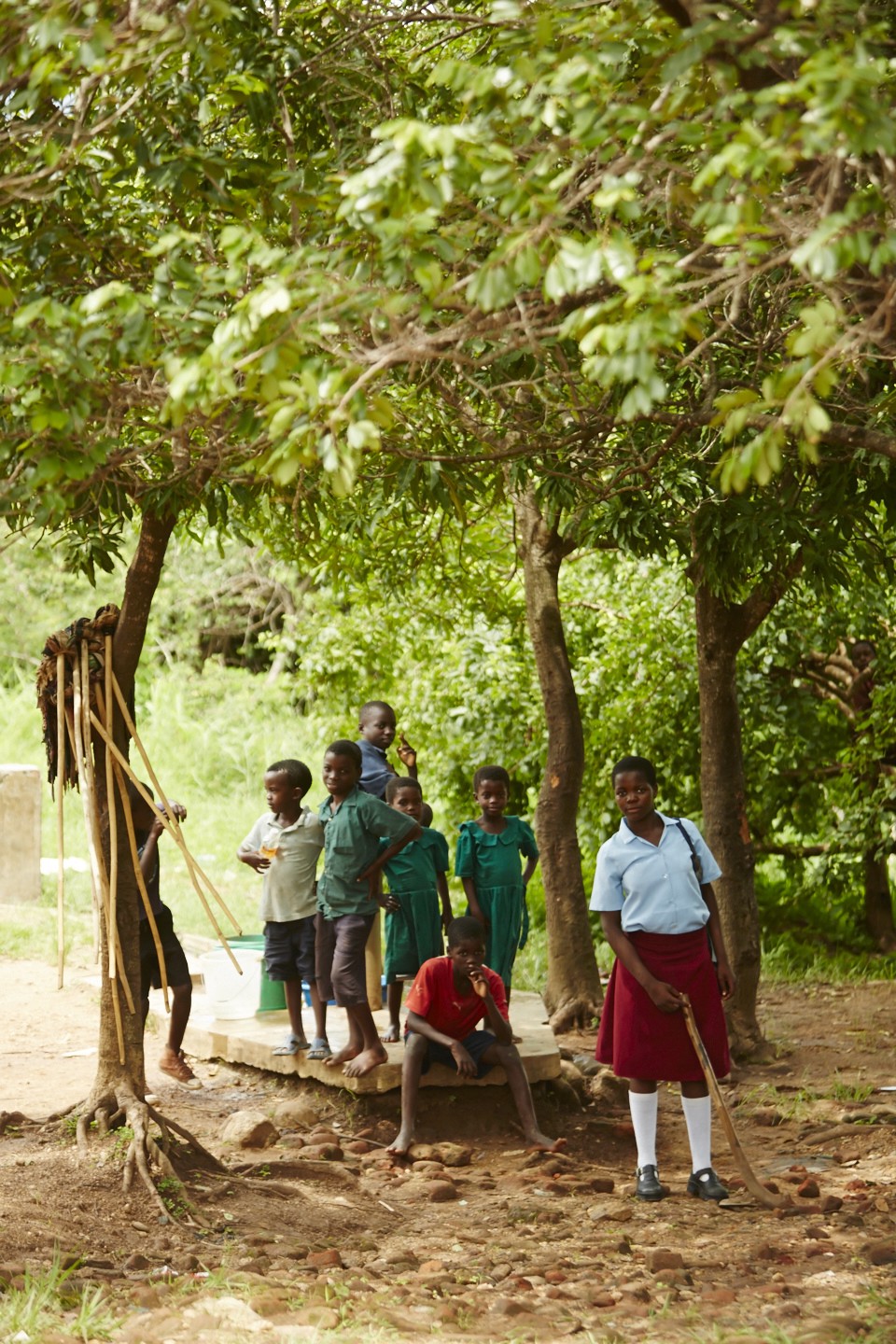
Photo: Mark Read/CAMFED
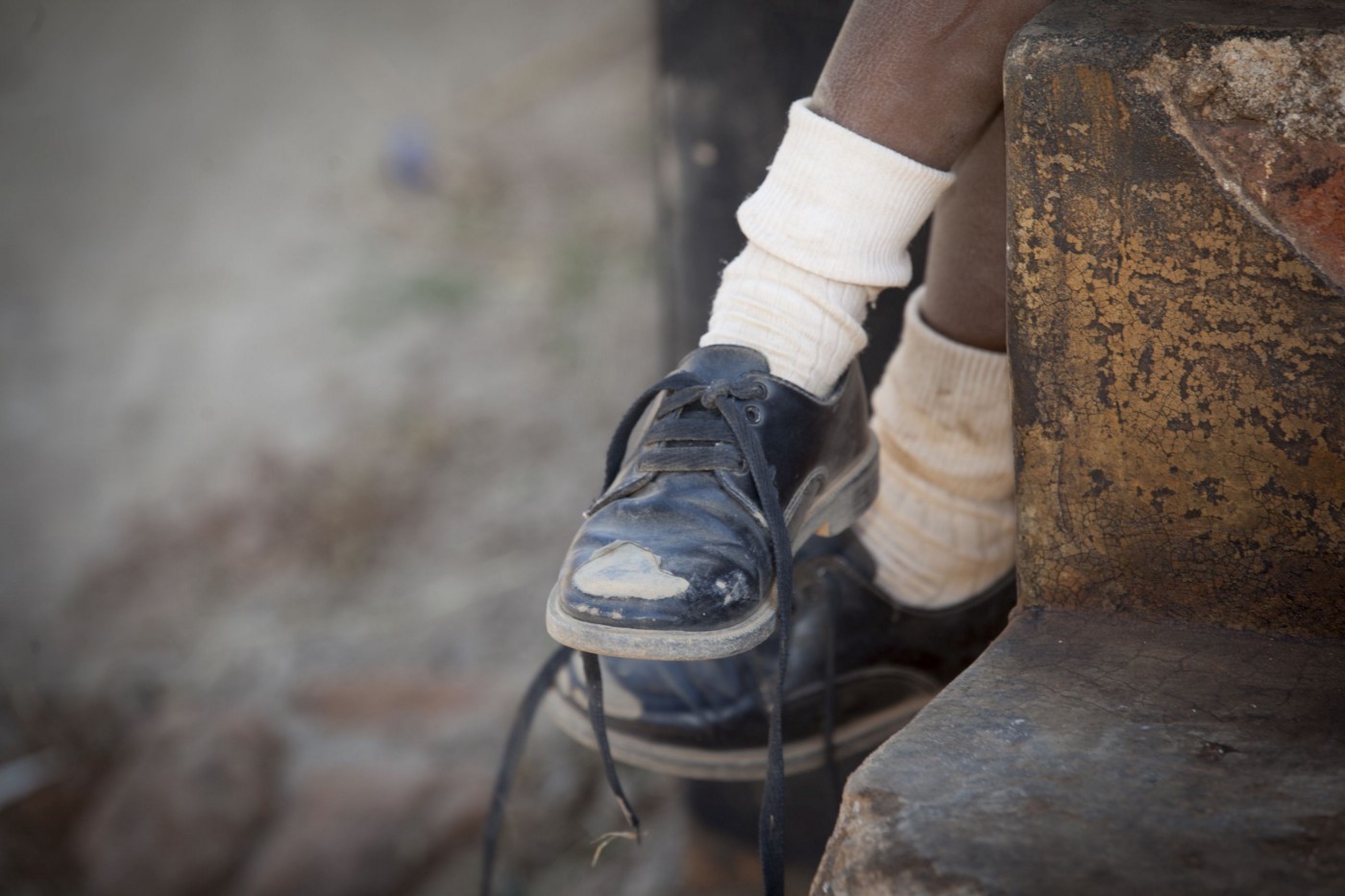
I was one of those girls. The pain and grief that comes with poverty is unspeakable for many of us. I lost my mother early on, and when I was only in primary school my father became too ill to work. Life was so hard. There was no money for school fees, a school uniform, a notebook, a pen. But I was one of the lucky ones — the School Based Committee identified me for CAMFED support, and I was able to complete my education. Without this support, I could have been a child bride. Or I could have been pregnant at 14. It happens to so many girls. And what many people don’t realize is that these girls do not fully understand how you get pregnant. They do not know what it means when a man entices them by promising to pay their school fees, to pay for that uniform.
I estimate that 70–80% of adolescent girls don’t understand what is happening to their bodies
I estimate that 70–80% of girls in Standard Eight (the last year of primary school) and Form 1 (the first year of secondary school) don’t understand what is happening to their bodies. If they do not have an older sister to speak to, how will they find out? There are supposed to be lessons in school, but not enough information is shared. Like in many places, there are taboos. But these taboos can be deadly.
All CAMFED Association members come from backgrounds like mine. They have a deep, personal understanding of the issues Malawian girls face.
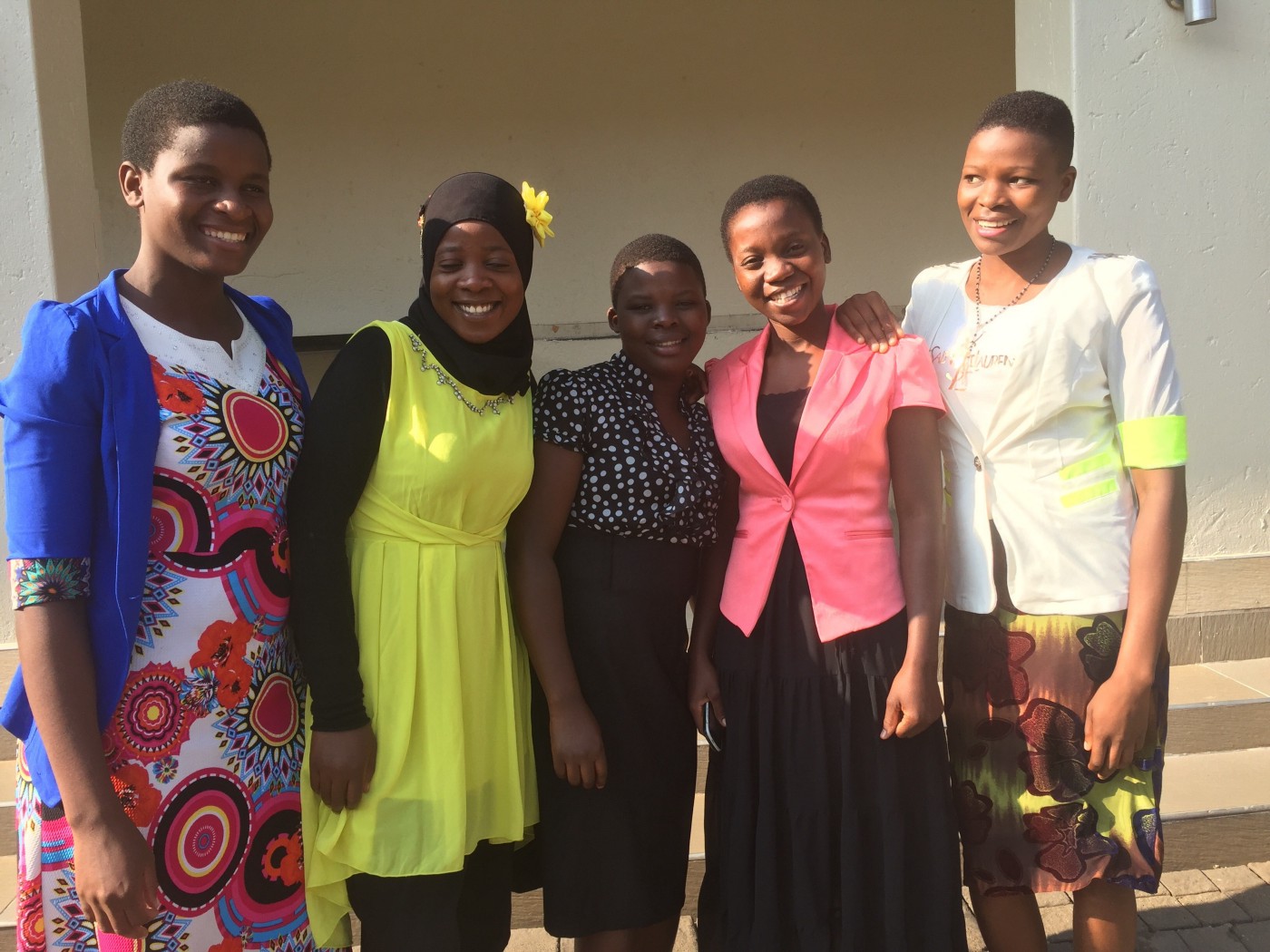
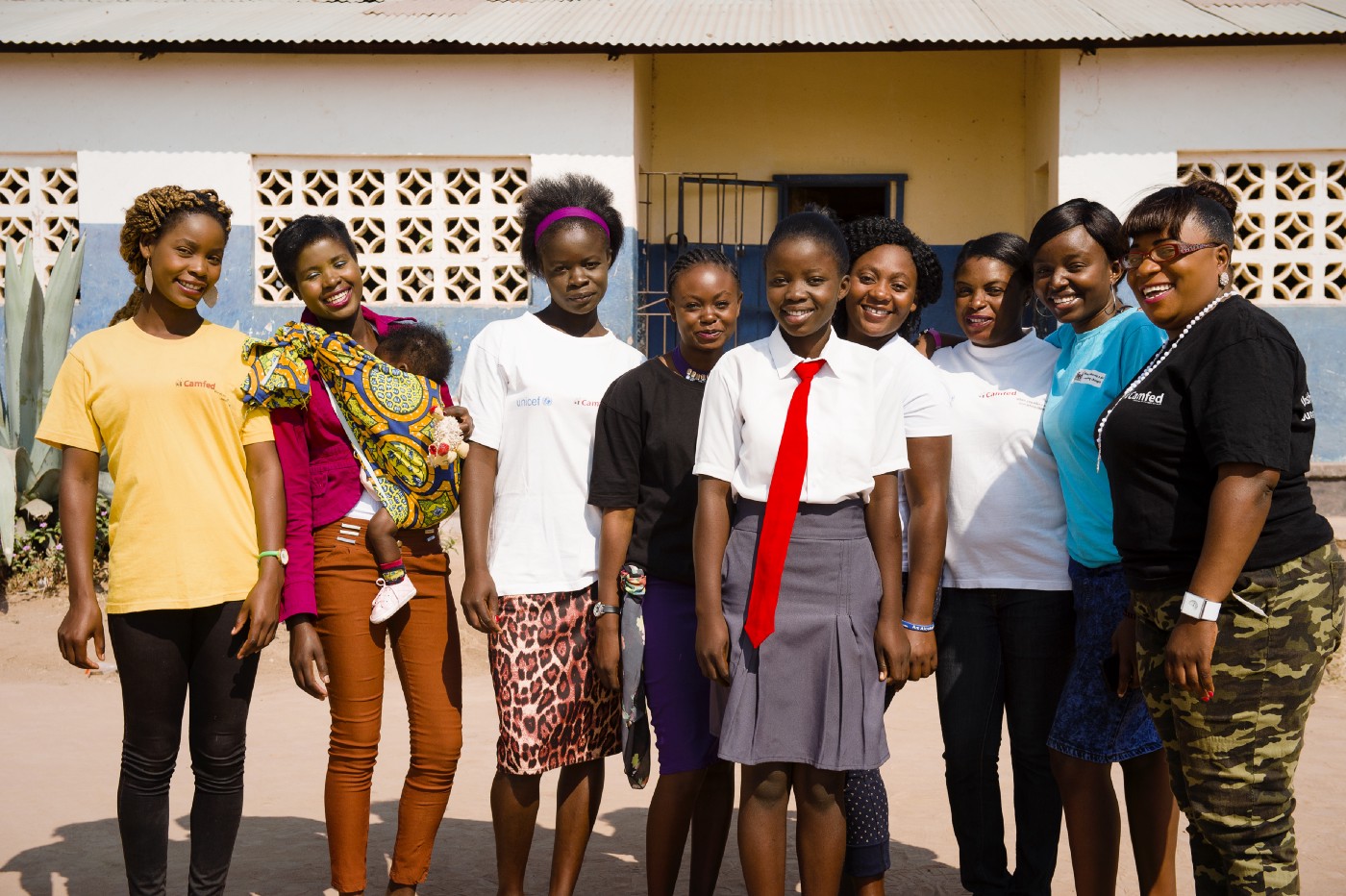
Me (left) with some of my CAMFED Association sisters — Esmie, Linda, Chifundo and Martha — all young women leaders from Malawi, set to change girls lives for good. Photo: Angeline Murimirwa/Camfed
Two weeks ago, I attended a very special training of Core Trainers — of young women in the CAMFED Association — the network of women leaders educated with CAMFED support — in Malawi. All members come from backgrounds like mine. They have a deep, personal understanding of the issues Malawian girls face. These Core Trainers were trained by CAMFED and have already gone on to train 118 CAMFED Association sisters as ‘Learner Guides.’ The Learner Guide Program is a CAMFED program through which Association members and their communities use their passion for education to support more girls at their local schools. This was our opportunity to launch it in Malawi, with a special emphasis on sexual reproductive health.
Learner Guides will support girls in 59 schools. They will join the after-school study circles CAMFED instituted together with the Ministry of Education. They will speak to girls about menstruation and ovulation and how to say no to advances from boys and men. They will explain the danger of HIV/AIDS, and then they can bring boys into the conversation — because of course both boys and girls have a role to play.
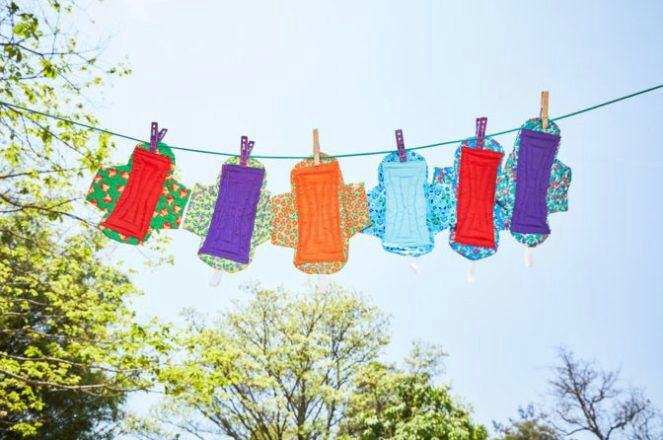
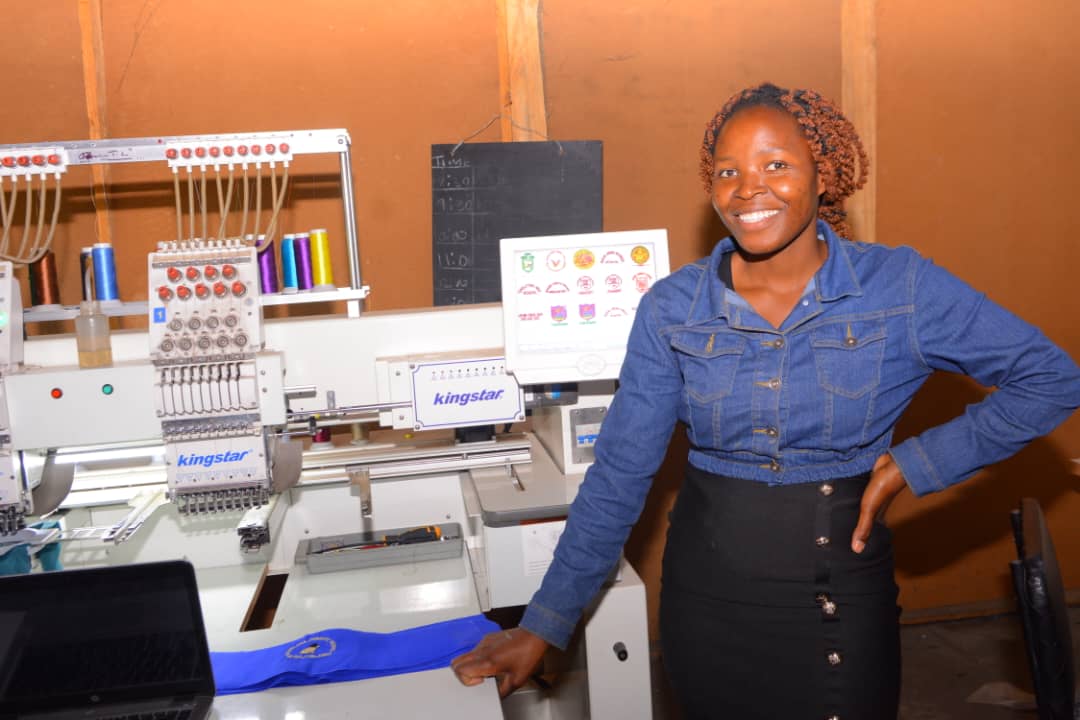
These are the pads we make with the help of Prudence Chavula, who taught us how. Photo: Prudence Chavula
Learner Guides will advise girls about sanitary wear, discreetly, one-on-one. Most girls here can’t afford disposable pads — they use unhygienic cloths, or leaves. Many stay away from school when they have their period. Often, this leads to drop-out. Here in Malawi, CAMFED Association members started making fashionable re-usable sanitary pads. We sell them for money and donate them to girls without means.
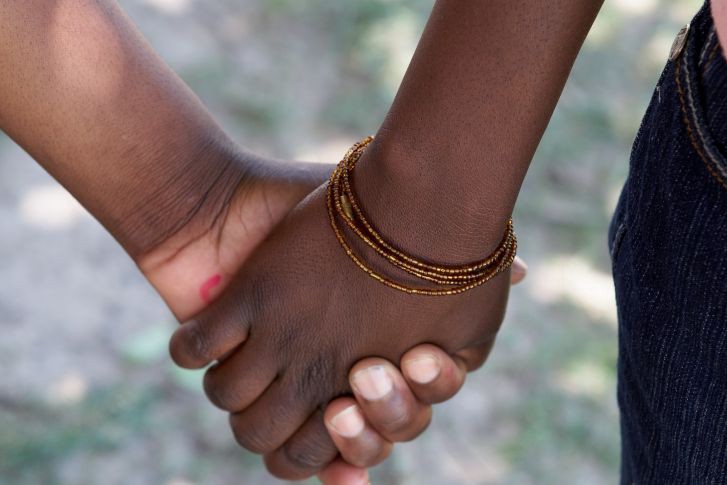
Learner Guides join hands with their communities, so together they can enforce child rights
But what I think is most important is how Learner Guides will be able to see the challenges children face, and try to help. The stress and trauma and grief that comes from losing a parent…those who have been there can help children cope. Learner Guides join hands with their communities, so together they can enforce child rights. They can call on Mother Support Groups, for example, to help tackle abuse, and to fight hunger. They will make sure children know where to find help.
I have seen the Core Trainers grow in confidence and pride right in front of my eyes. They started the sessions shy. They carried with them the hardship in their lives, in their communities. By the end they were speaking in front of the group, and then they left to become bold change makers. To be able to say, “Someone supported me, so now I can support many in my community.” To, quite literally, save thousands of lives.
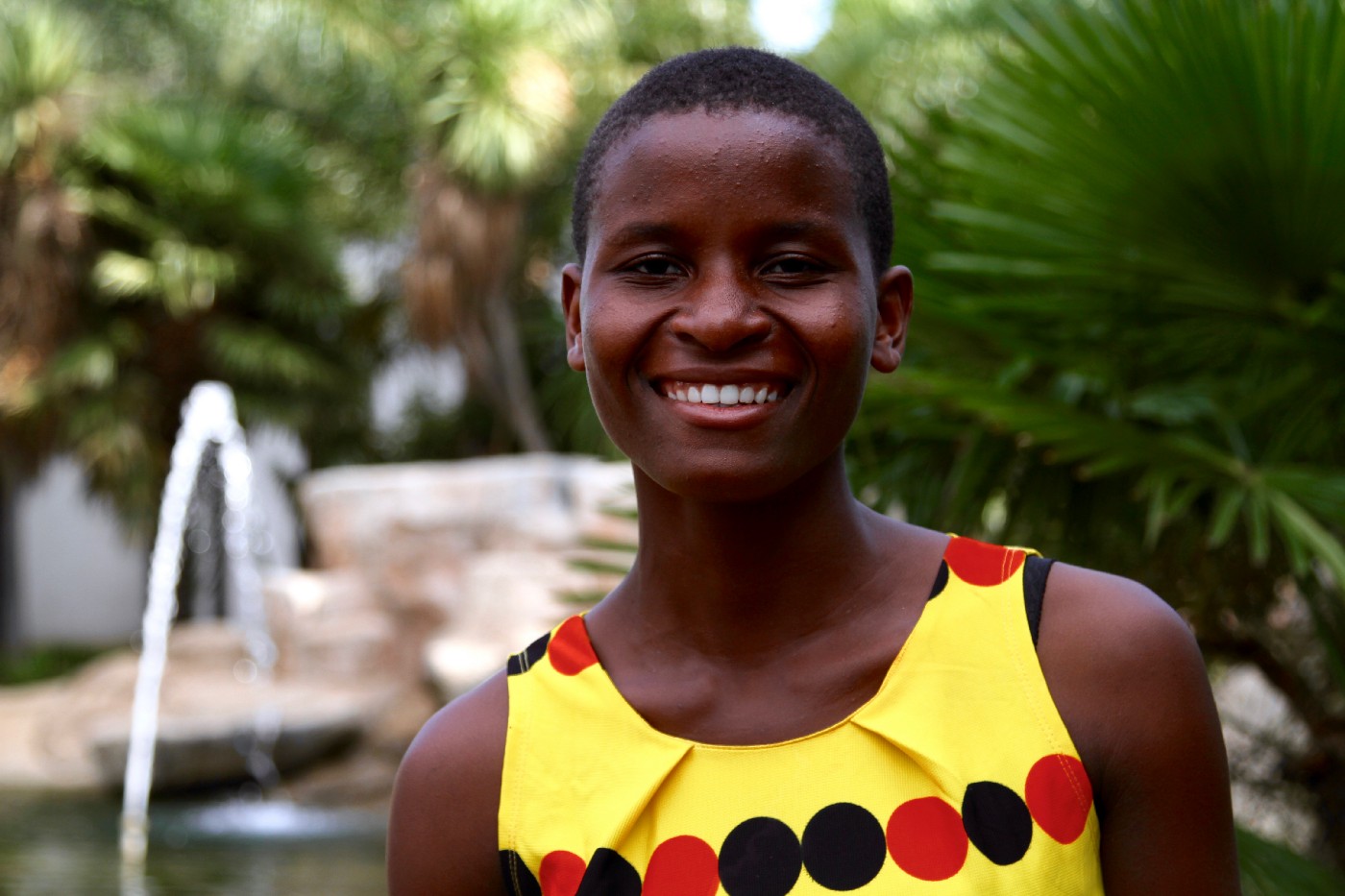
Tamara. Photo: Sarah Winfield/CAMFED
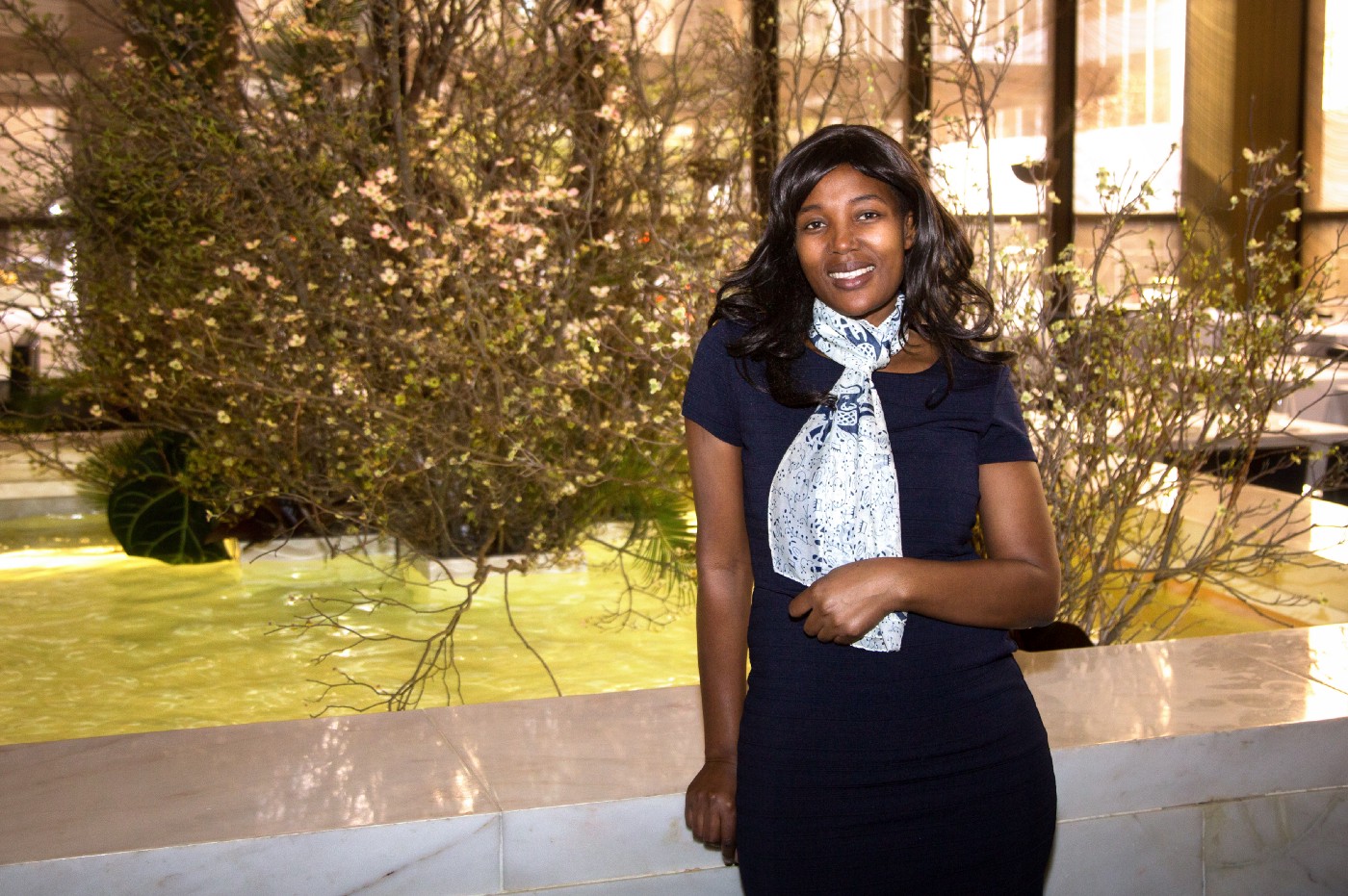
Tamara Tsambalikagwa is the National Chairperson for the CAMFED Association in Malawi, and holds a position on the National Girls’ Education Network Youth Board. She is a passionate advocate for girls’ education as the key to ending child marriage, and uses her own experience to rally community support around girls.
Get involved with CAMFED and and see your support multiplied by the leaders in the CAMFED Association.