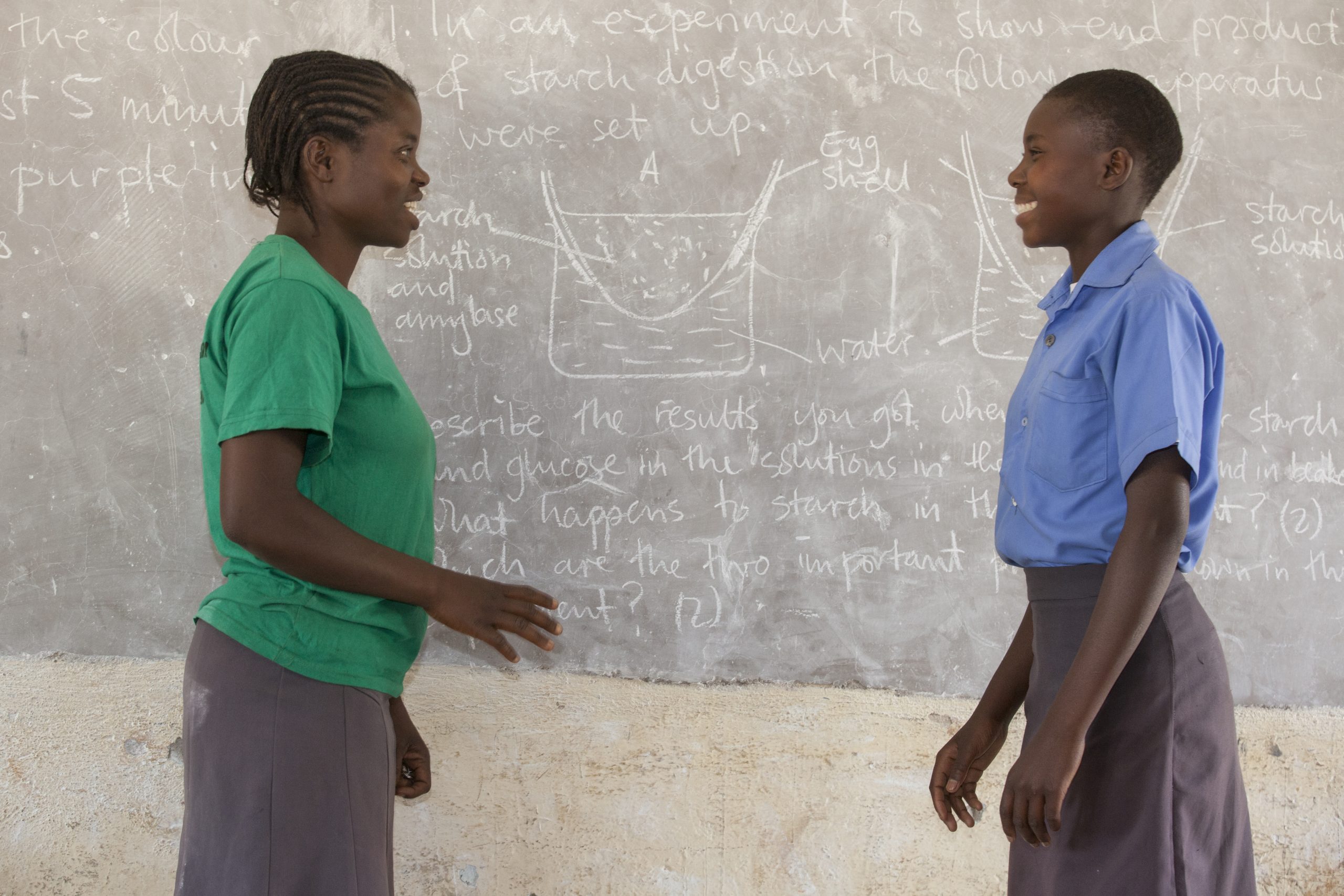
CAMFED Zimbabwe was launched in 1993 to tackle girls' exclusion from education.

“Research about us, without us…is not for us”
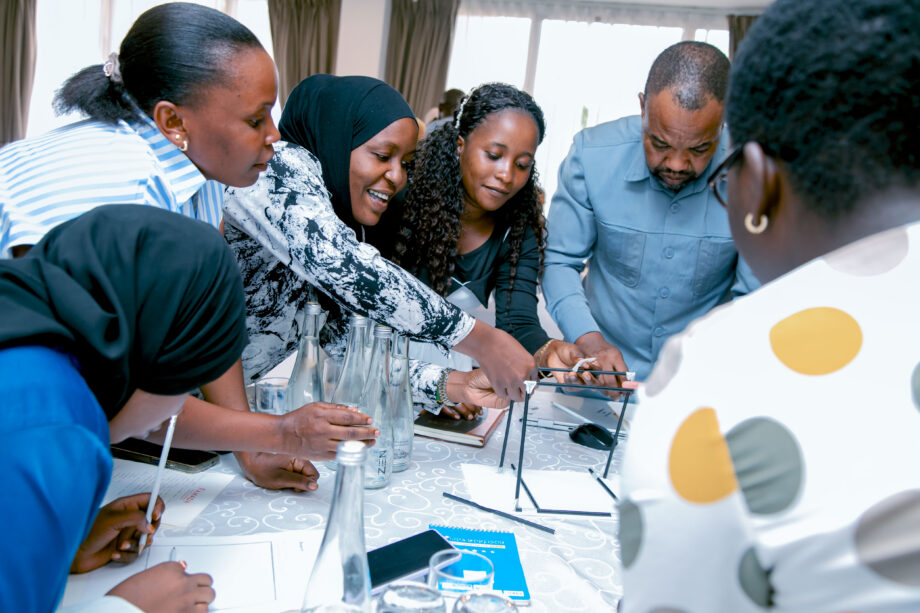
Six CAMFED Association members are leading research into CAMFED’s livelihoods programs in Tanzania and Zimbabwe.

CAMFED Zimbabwe was launched in 1993 to tackle girls' exclusion from education.
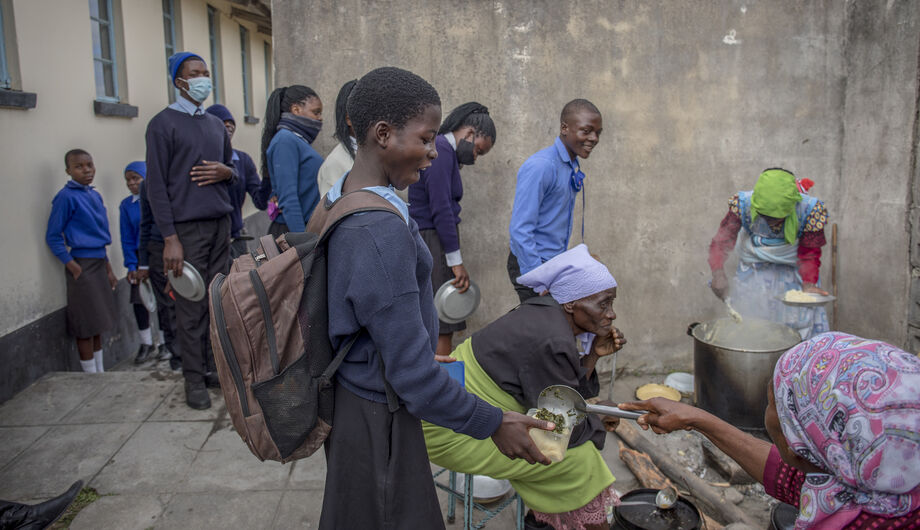
CAMFED Zimbabwe launched in 1993, in tandem with CAMFED International, and has continued to expand across the country. Our partnership with rural school communities across 42 districts provides vital support for marginalized children, and since its inception has improved the school environment for millions of students. Through our holistic program of financial and psycho-social support, we provide the most marginalized girls with the tools they need to thrive in school and beyond.
Due to a challenging social and economic situation, many students struggle to find employment once they graduate. CAMFED Zimbabwe, through our women leaders in the CAMFED Association, is working to bridge the gap between school and secure employment by offering business and financial skills training to school leavers, helping them to access new economic opportunities and support themselves and their families.
Zimbabwe continues to have one of the world’s fastest shrinking economies, which has resulted in increased poverty and mass unemployment. This situation has been further compounded by droughts that have left about half of the population food insecure. Even during this difficult time, we continue to perform remarkably well as an organization in supporting partner schools to stay functional, retain teachers, and limit child dropout. We not only assist disadvantaged families with meeting the educational costs for their children; we engage them with respect, and support them to invest their expertise, love and labor to ensure their children can go to school and thrive. The challenges ahead of us are profound, but we remain energized by our conviction that a time shall come when each and every child will be in school.

“I firmly believe that collaborative efforts and supportive networks like the CAMFED Association network are essential in tackling poverty and ensuring access to education and business opportunities in Zimbabwe. Together, we pledge to champion the cause of vulnerable girls, ensuring they receive the support they need to break the cycle of poverty and build a brighter future.”
Lisa Gwitirwa – CAMFED Association Chairperson, Zimbabwe
Poverty remains the greatest barrier to education for children in Zimbabwe

In Zimbabwe, 48% of children live below the international monetary poverty line of $2.15 per day.
Only 14% of girls in Zimbabwe complete upper secondary school, and among the poorest children this falls to 1%.
In Zimbabwe, 34% of girls are married before the age of 18, and 5% before the age of 15.

ZBC TV — one of Zimbabwe’s leading television broadcasters — is shining a spotlight on young women who are leading and succeeding, having seized their power through education.
The series, which first aired in August 2025, is presented by Clemence Nhliziyo, Policy and Advocacy Manager at CAMFED Zimbabwe, and features interviews with expert graduates in the CAMFED Association of women leaders.
They share their personal experiences of the challenges that girls face going to school, and the opportunities that are unlocked by education, community support and sisterhood.
Watch the series on YouTube
supported 424,599 students to go to primary and secondary school using donor funds
Of these, 240,288 students have been supported to go to primary school CAMFED provides targeted bursary support, including essential items like books, uniforms and stationery for children at primary school to prevent them from dropping out.
and we have supported 184,311 students to go to secondary school - CAMFED provides holistic support, that might include school or exam fees, uniforms, menstrual supplies, books, pens, bikes, boarding fees or disability aids.
CAMFED Zimbabwe supports the education of vulnerable children in 1,623 government schools.
Catalyzing action for vulnerable children
In addition to marginalized girls, CAMFED supports children living with disabilities and boys with tailored packages of support, addressing the barriers that keep them from attending and succeeding in school. The districts where boys are selected for support are those where boys’ educational outcomes are the worst in the country. CAMFED Zimbabwe’s position as Chair of the Gender and Disability Committee under the National Education Coalition enables us to advocate for policies to promote equitable, quality education.
In 2019, Zimbabwe experienced its worst drought in decades, which, in tandem with the impacts of Cyclone Idai and a severe economic crisis that sent food prices spiraling, created the country’s worst acute food insecurity crisis in 10 years. With many families struggling, the risk of school dropout and child marriage remains high.
Zimbabwe has committed to eliminate child, early and forced marriage by 2030 in line with target 5.3 of the Sustainable Development Goals and during its Voluntary National Review at the 2017 High Level Political Forum, the government reaffirmed commitment to this target.
Our young women leaders in the CAMFED Association are at the forefront of tackling child marriage in their communities, working with schools, parents, education authorities, traditional leaders, social workers and the police to catalyze action for vulnerable girls.

Together with CAMFED Association leaders, we catalyze the activism of CAMFED Champions in our partner communities to support more vulnerable children to go to primary and secondary school.

Since 1993, 2,777,654 students have been supported to go to school by CAMFED Association members and community initiatives.
Of these, 2,173,354 students have been supported to go to school directly by CAMFED Association members. Often using profits from their businesses, CAMFED Association members support on average 3 more children to go to school - multiplying the impact of their education.
and 604,300 students have been supported to go to primary and secondary school through community initiatives. This includes parents, teachers, education officials and traditional leaders, who rally resources to support even more children to go to school.
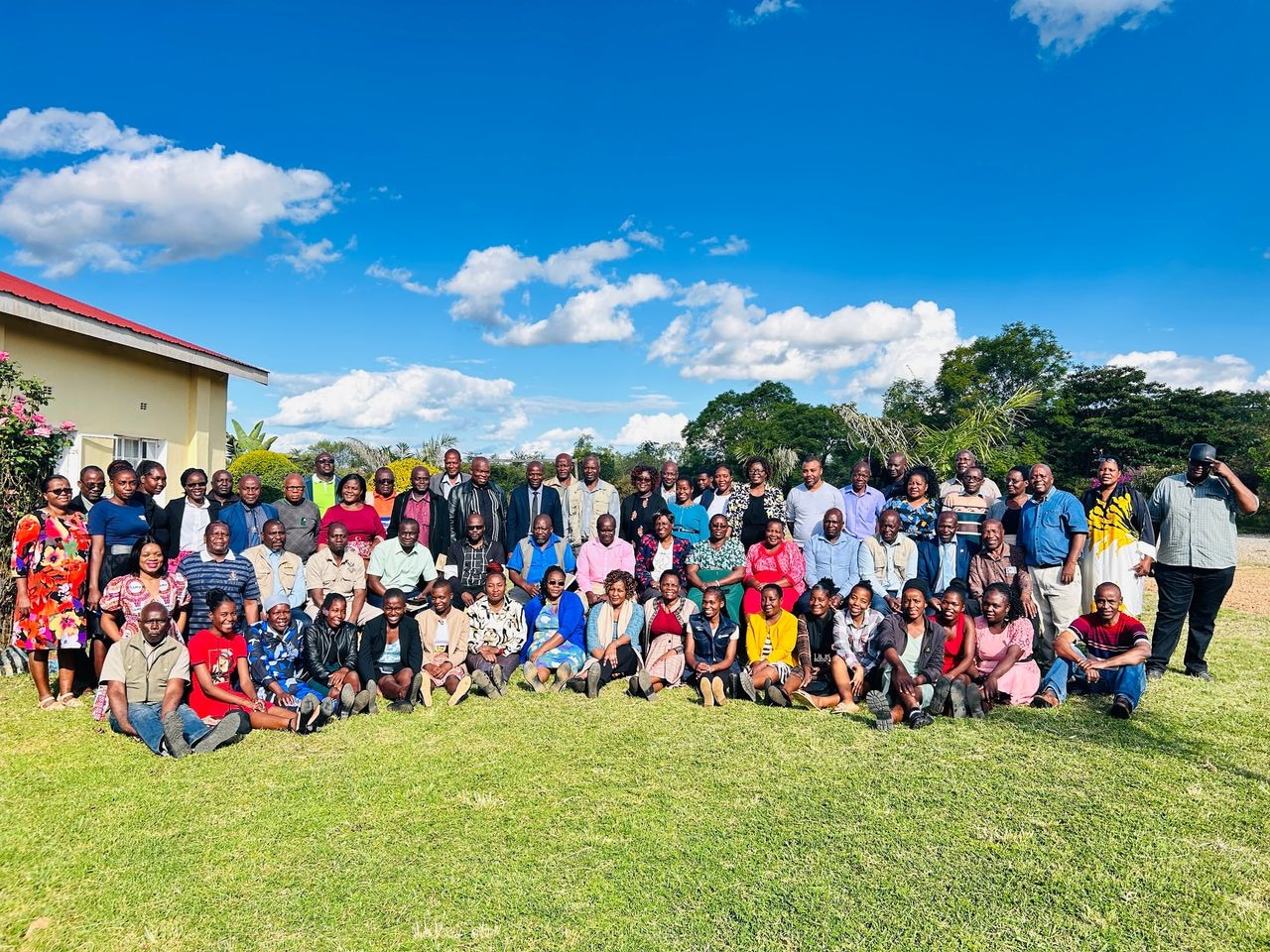
Our movement in Zimbabwe has grown to 104,508 CAMFED Association members helping to form the largest network of its kind in Africa. Young women educated with CAMFED support spearhead our programs and help more vulnerable children to go to school.

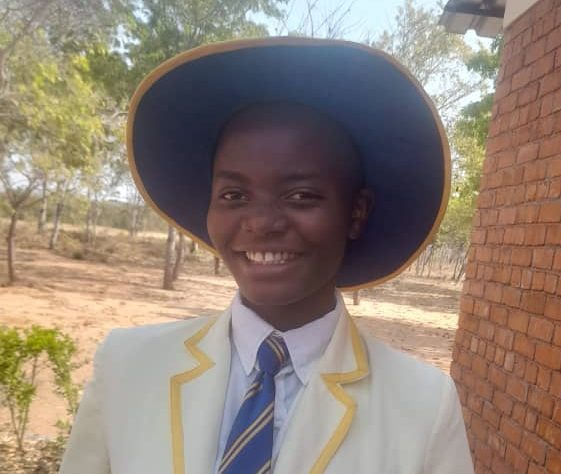
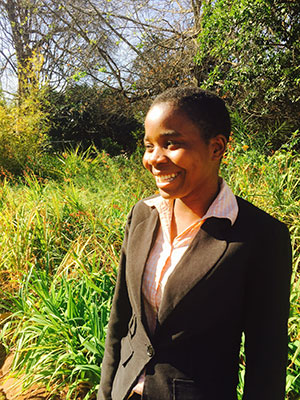
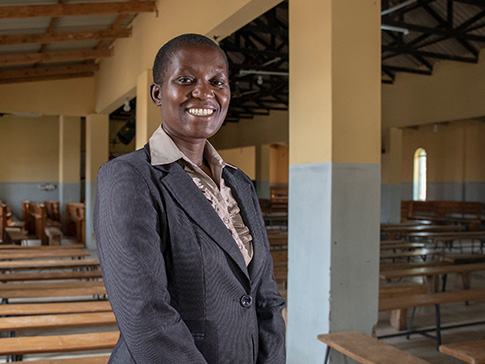
Six CAMFED Association members are leading research into CAMFED’s livelihoods programs in Tanzania and Zimbabwe.

Through education, I’m strengthening my understanding of child rights and protection, equipping me to make informed decisions that safeguard peers in my community.
![Marceline-1463686-Secondary-Yvonne-Chari-1356424-Aladi-MCF-Filming-Mount-Darwin-ZIM-June-2025_Mercy-Nyamhunga-screen-MVI_3023[00-01] (1)](https://d3oeq7ualzufq.cloudfront.net/wp-content/uploads/2026/02/05130601/Marceline-1463686-Secondary-Yvonne-Chari-1356424-Aladi-MCF-Filming-Mount-Darwin-ZIM-June-2025_Mercy-Nyamhunga-screen-MVI_302300-01-1.jpg)
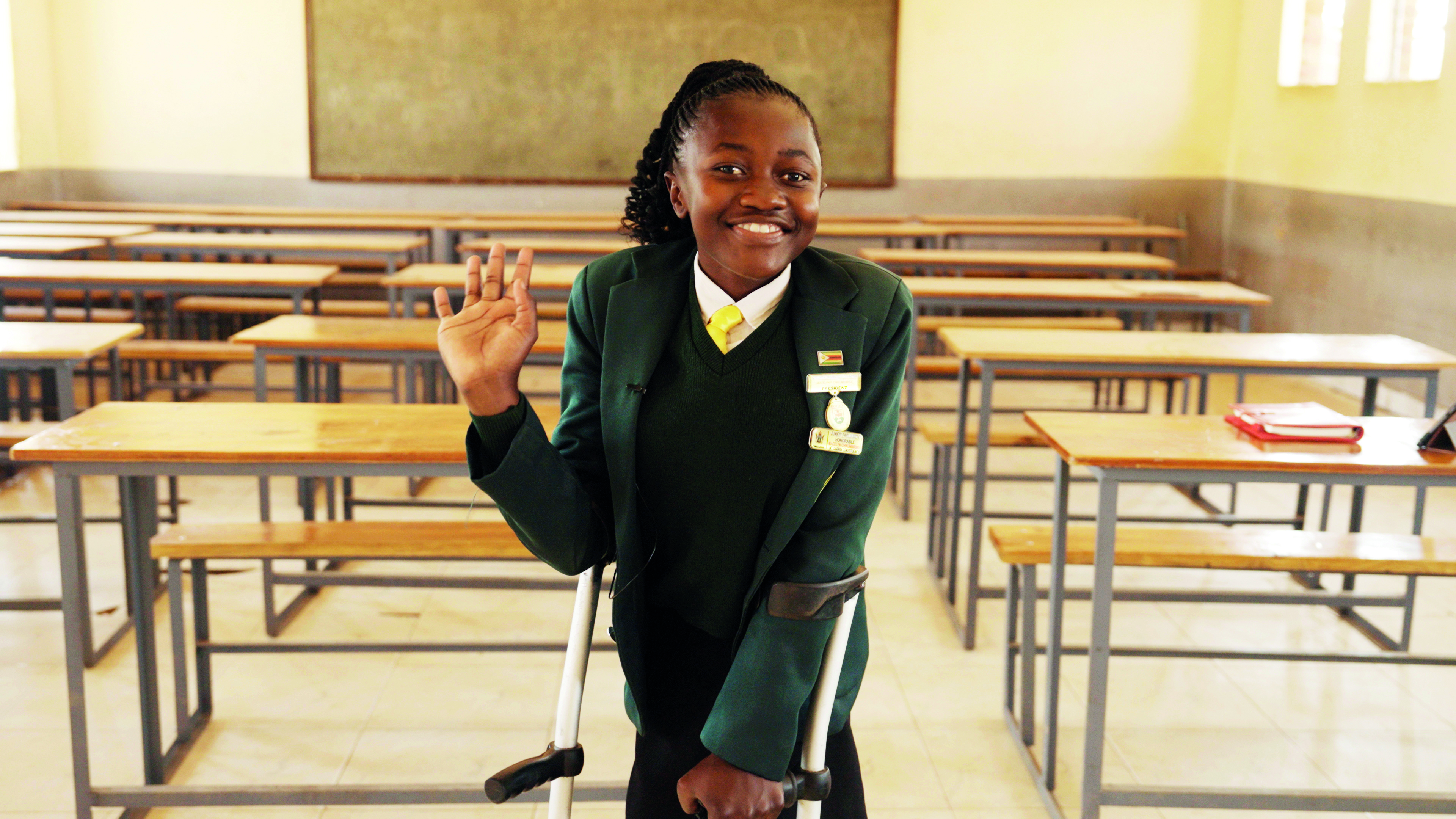
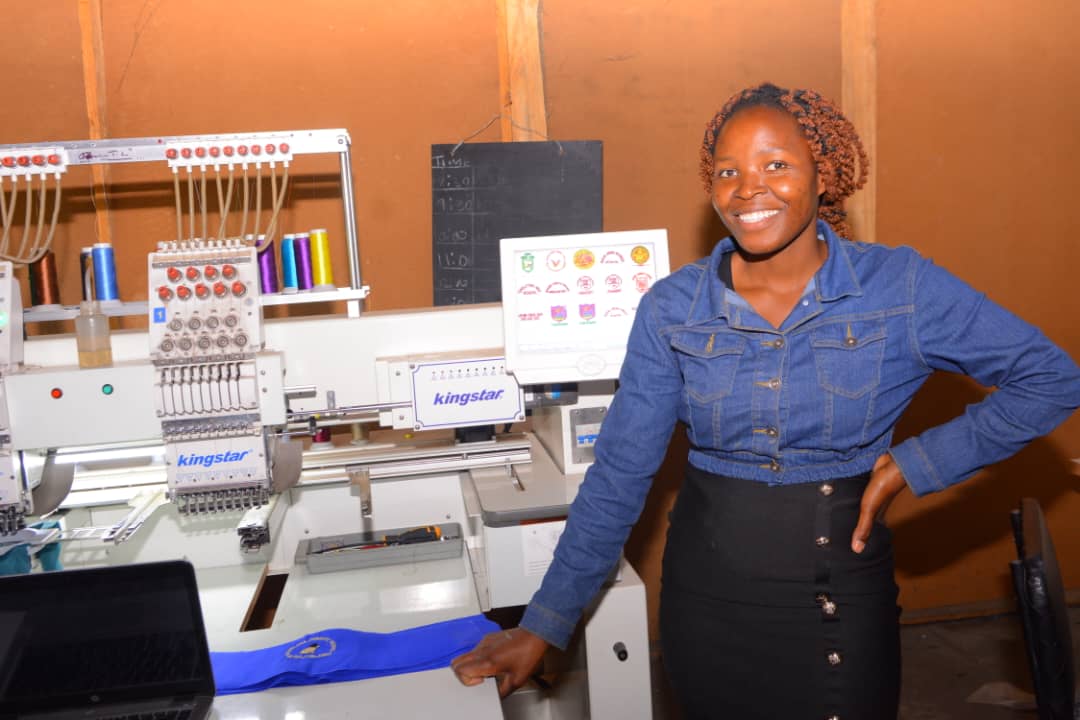
In Zimbabwe, where fabric prices keep rising, CAMFED Association members Celani and Hlanjiwe are providing affordable uniforms so more girls can attend school, learn, and thrive.

My story is not just mine — it represents countless girls and young women across rural Africa. By sharing it, I’m proving that disadvantaged girls can rise and transform their communities.

The Ministry of Primary and Secondary Education, in collaboration with CAMFED and with support from the Global Partnership for Education (GPE), is tackling school dropouts, at scale.

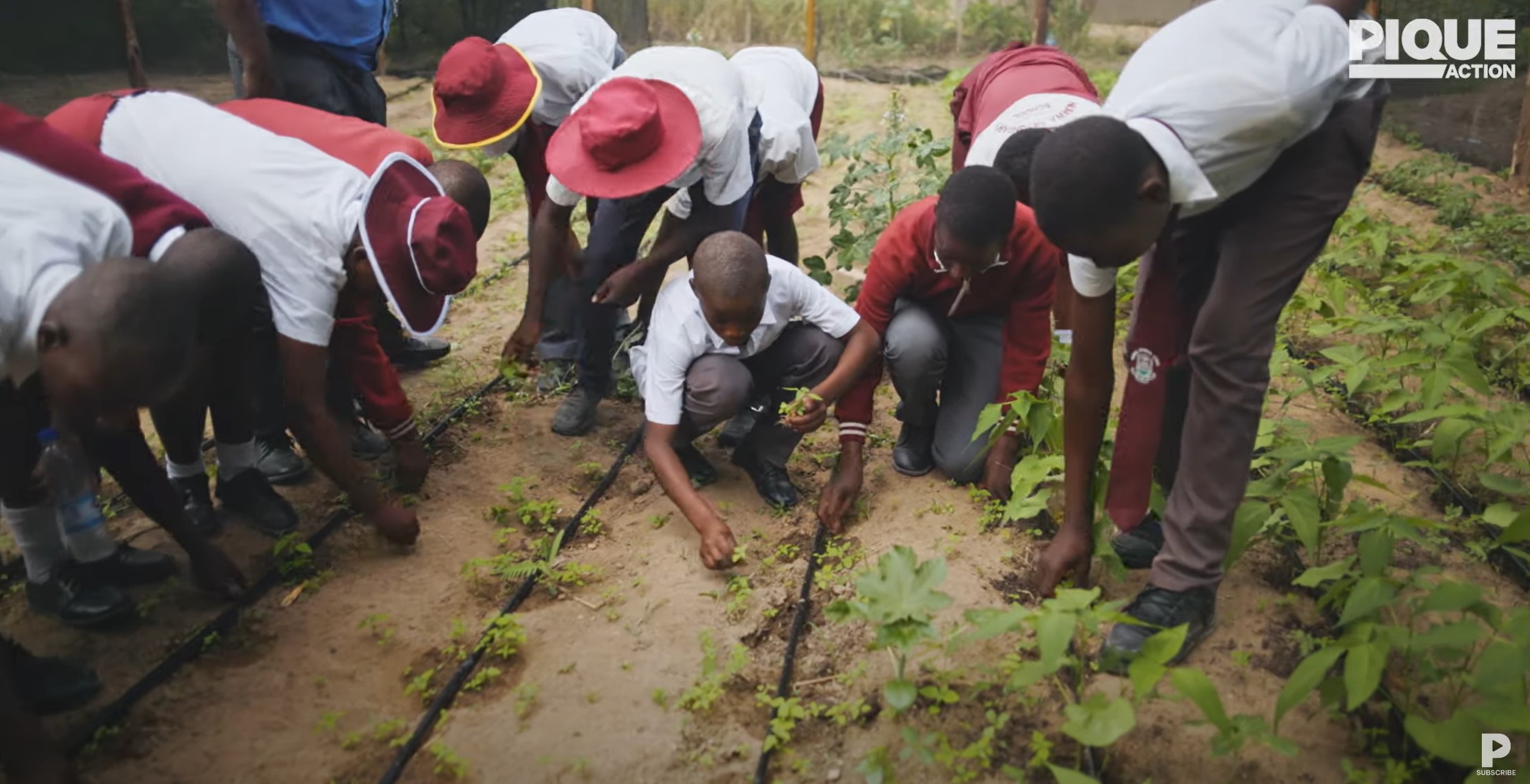
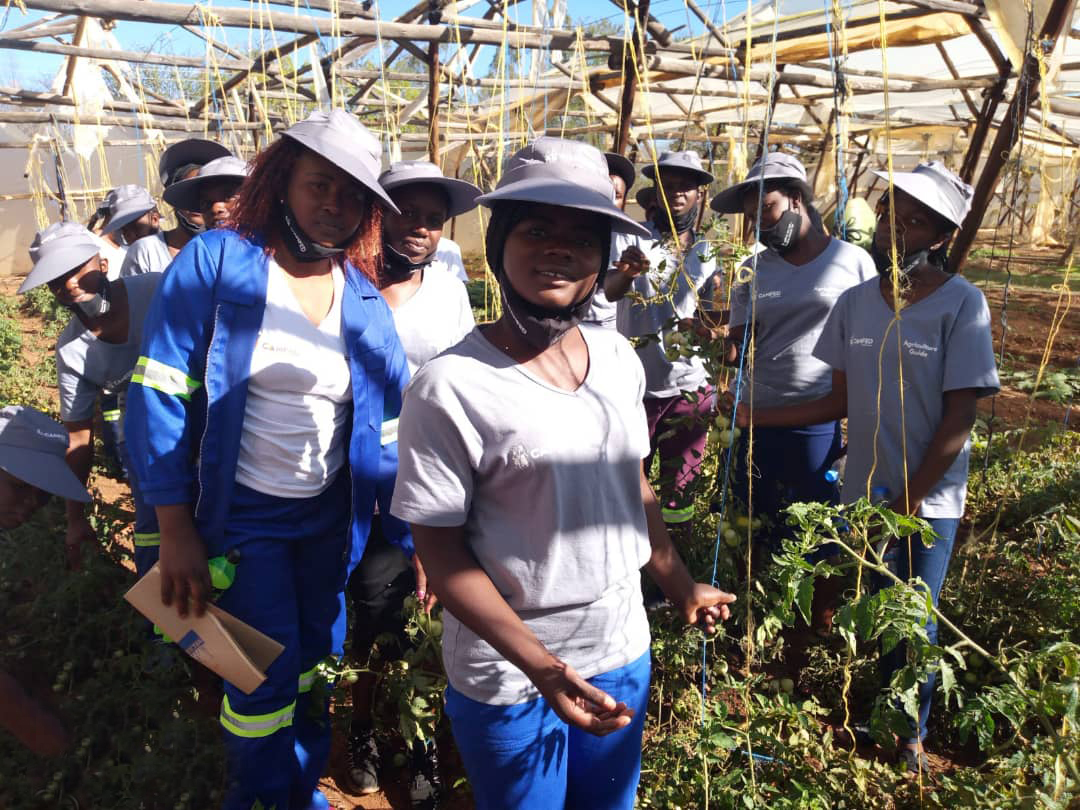
This powerful film highlights the impact of CAMFED graduates who volunteer as climate-smart Agriculture Guides in their communities across Africa. made possible by our partner King Philanthropies, and created by Pique Action, it features interviews with CAMFED leaders — CEO Angeline (Angie) Murimirwa and sustainable agriculture expert Esnath Divasoni — both from Zimbabwe.

This blog explores the impact of peer educators to ensure girls remain and thrive in school, as part of a collaboration between the Global Partnership for Education, Zimbabwe’s Ministry of Primary and Secondary Education, and CAMFED. Discover the vital role that young women like Tanyaradzwa and Confidence are playing in their school communities, paving the way to success for themselves and others.

I’m studying Mathematics, Biology and Chemistry so I can become a doctor and work at a local hospital. My parents struggled to send me to school, but they tried their best and supported me through my primary education. Since CAMFED came into my life, things have really changed for the better!

In part 2 of our blog series, ‘Crafting Change’, hear from Buchedo, Rosinah, Sicelosenkosi and Veronica about how their basket-weaving businesses benefit women, girls and entire communities in Zimbabwe.

“If we are truly committed to building a prosperous, equitable, and just future for our region, we must place the needs and rights of children at the very heart of our development agenda. Children are not just the future - they are the present.” - Honourable Dr. Torerai Moyo, Minister of Primary and Secondary Education, Zimbabwe

CAMFED, in collaboration with Zimbabwe’s national trade development and promotion body, ZimTrade, has bolstered women’s economic opportunities in Mudzi, Zimbabwe by setting up a baobab processing plant. The baobab fruit producers will benefit from improved processing methods and value-addition training, aiming to increase earnings and boost economic opportunities.

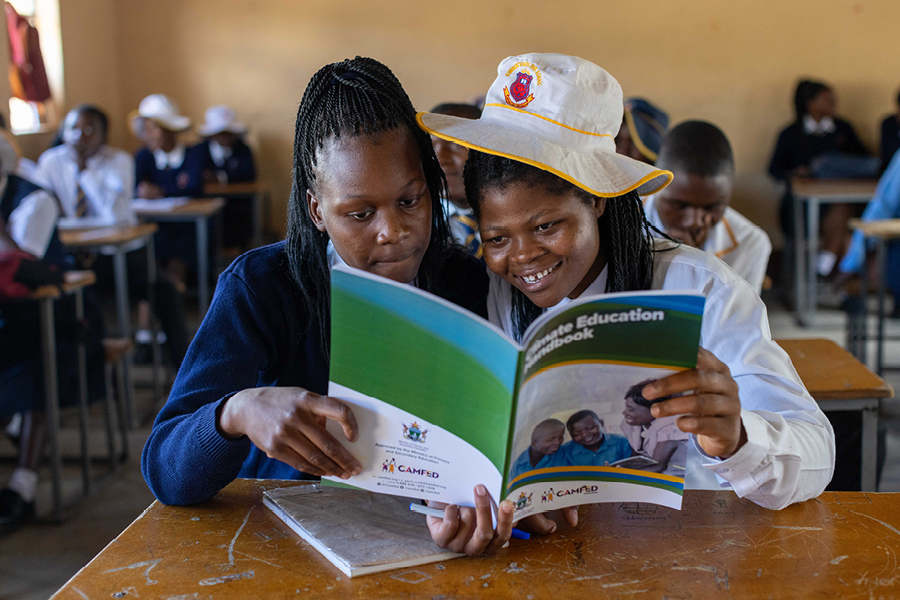
CAMFED, in partnership with Ministries of Education in Zambia and Zimbabwe, has launched a new in-school climate education program, led by young women graduates.

Patience, a CAMFED Association member and Agriculture Guide from Wedza district in Zimbabwe, demonstrates how increasing productivity in agribusiness has supported her household and community to thrive.

I know how it feels to be excluded and underestimated due to my background and gender. Now, I’m changing the status quo for other girls and women.

On Education Day 2023, watch two CAMFED grads in conversation about the power of education. Our movement is living proof of this year's motto: "to invest in people, prioritize education."

I’m Head Girl at my school, Junior MP for my district, an aspiring neuroscientist and powerful education advocate — inspiring girls with my passion for science.

CAMFED Association member Natasha Mabuza from Zimbabwe speaks to Borgen Magazine about her future ambitions after completing her secondary education with CAMFED support. She’s overcome poverty to become a leader of change in her community, encouraging other girls and young people to pursue a career in STEM.

This month, CAMFED’s partner MECCA—the beauty retailer and global beauty brand curator based in Australia and New Zealand—has selected CAMFED Association member, Math teacher and mentor, Lucia Punungwe to feature as the MECCA Muse.

CAMFED’s Fiona Mavhinga and Esnath Divasoni star on the BBC Radio Four podcast, ‘39 Ways to Save the Planet’ with Tom Heap, to discuss the active benefits of supporting girls through school — from agency, independence, health and earning power to practical and policy leadership on climate issues.
Dolores Foglio $21.40
June Ingram $10.90
Beverly Wagstaff $20.30
rodney smith $10.90
Peter Boyce £52.20
Joan Zielinski $26.60
Lauren Gimbel $60
Jennifer Dwyer $21.40
Sally VanHull $5.60
Patrice Zimmermann $21.40
Graeme Harrington $316
Scott Limpert $26.60
Bridget Palmer $100
James Stacey £500
Siatnee Chong $47.60