Donate

Making transformative impact

CAMFED supports girls in government primary and secondary schools across Zimbabwe, Zambia, Ghana, Kenya (new in 2025), Tanzania and Malawi to access school, succeed, and become leaders of change in their communities. 

Our impact increases exponentially through the Association of young women educated with CAMFED’s support. Together, we multiply the number of girls in school, and accelerate their transition to livelihoods and leadership, including through climate-smart agriculture. And we bring the lived experience of the young people we serve to the policy table, partnering with researchers and governments to ensure the system works for the most disadvantaged.
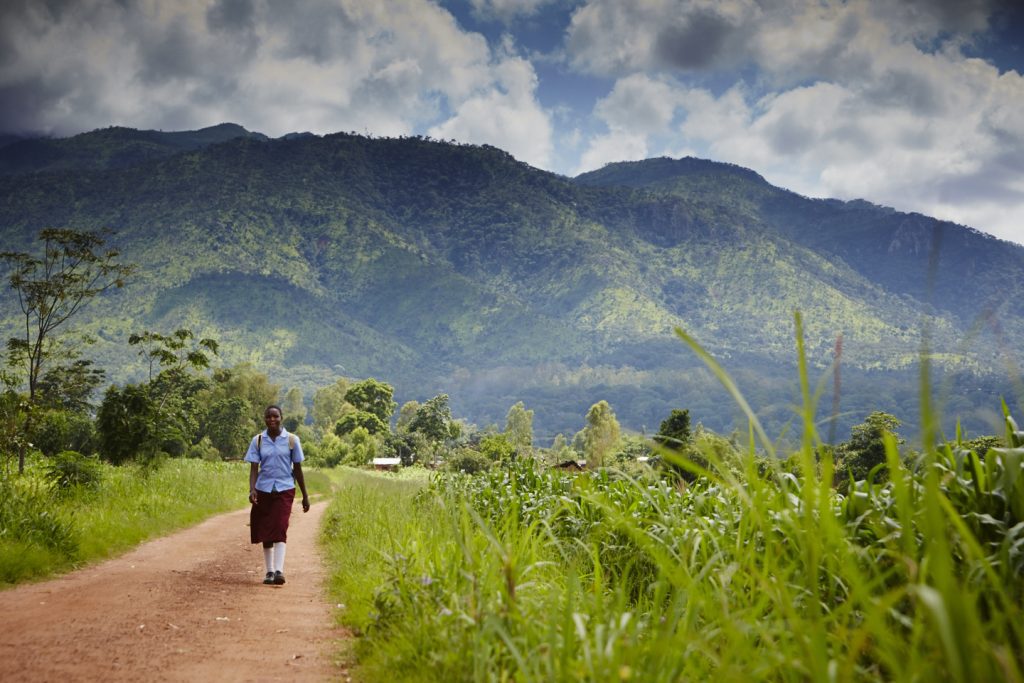
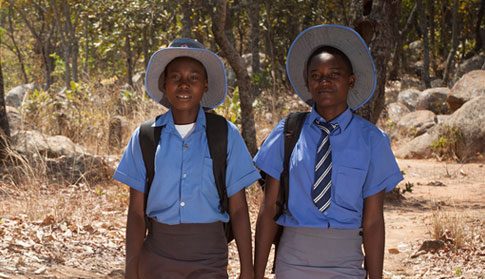
Likwenu, a school girl in uniform, walks along a path with mountains in the background of the image

Our partner communities are among the most deprived in the region – far removed from hospitals, lacking public infrastructure, and often situated on the poorest land. They have the greatest levels of poverty within their countries, and suffer some of the highest rates of illness, including HIV/AIDS. They have extremely low literacy rates. Most people live a hand to mouth existence.

Schools in these communities are fewer in number, meaning children often have to walk very long distances to get to school, and have fewer teachers and less equipment.

Girls are particularly vulnerable in these circumstances, and their education has the most transformative impact.

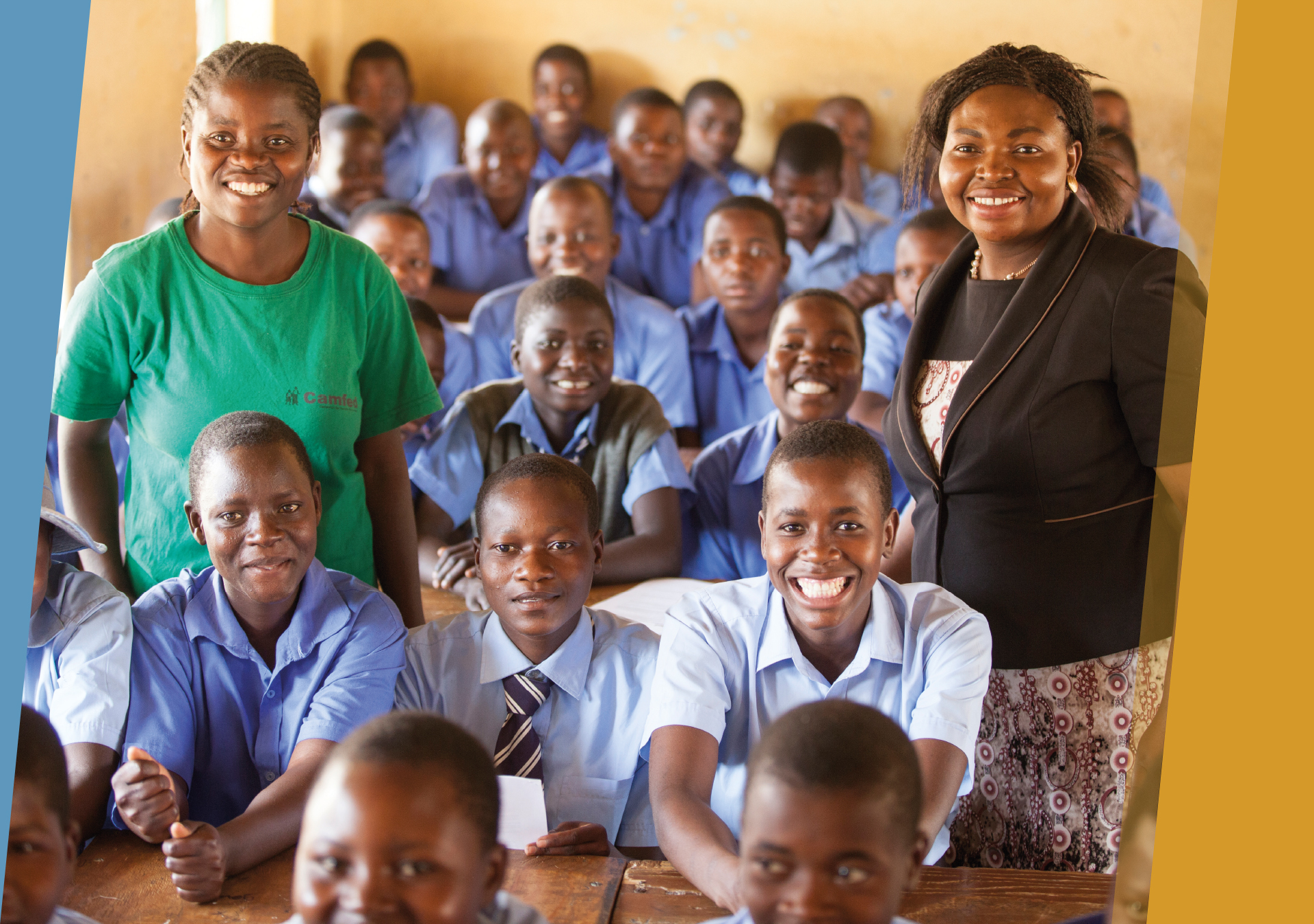
Play videoImage

Poverty is the greatest barrier to accessing an education in the communities where we work.

Families want the best for their children, but lack the financial means to support their education. We know that communities understand their issues, and that they have the solutions to those issues. Our role is to catalyze their activism, and listen to the girls, their families, their teachers and traditional leaders.

The children we support are selected by the community as being the most in need. We don’t just provide them with books or school fees, we help them throughout their development. Our package – which includes mentoring and social support from young women who were themselves once excluded from education – enables a girl to get into school, do well academically, and maximize the value of her education after graduation.

In this video, Fanny from Malawi speaks for millions of girls from underserved communities, ready to shake up the world, if only they get the chance to go to school.

Read video transcript

Our impact in numbers - students supported through DONOR FUNDS by the end of 2025

CAMFED's work ignites a virtuous cycle, whereby young women supported through school by donor funds go on to support many more children (girls and boys) in education. So keep scrolling down to see how the investment by donors is multiplied.

  • 731K

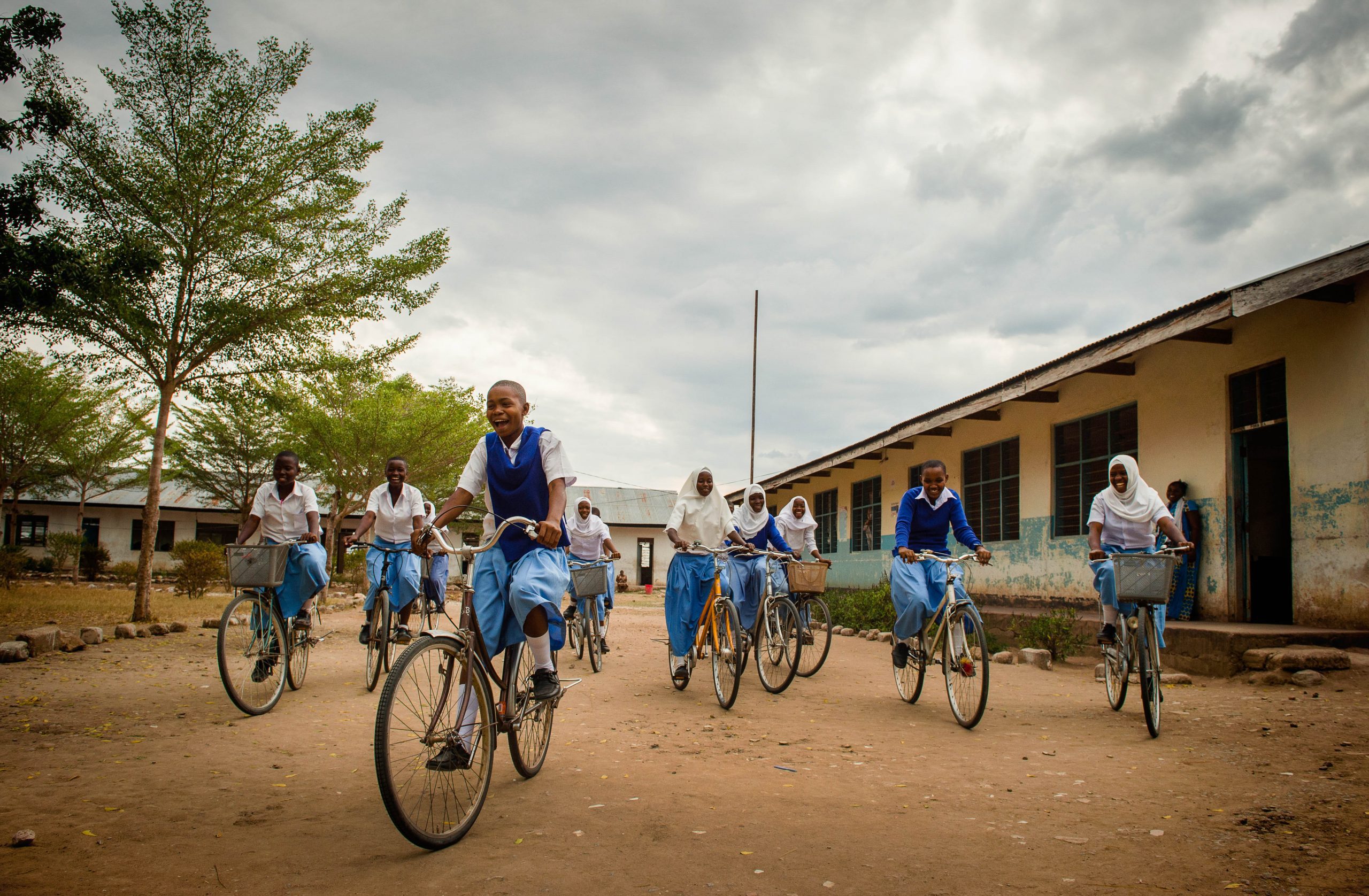
    730,813 students supported with secondary scholarships - CAMFED provides holistic and targeted support for girls to go to secondary school, covering needs that might include school or exam fees, uniforms, menstrual products, books, pens, bikes, boarding fees or disability aids.

  • 1.2M

    1,144,401 students supported to go to primary school - CAMFED provides targeted bursary support, including essential items like books, uniforms and stationery for children at primary school to prevent them from dropping out.

  • 5K

    CAMFED provides students with tailored financial and social support across 5,094 government schools. We work in respectful partnership with schools and communities to help improve the learning environment for all students.

CAMFED provides girls with long-term support

Successfully supporting an individual means investing in the structures that support her, enabling her to learn, thrive and lead change.

  • Education

    We provide tailored packages of support including school and exam fees, school supplies, menstrual products, and school uniforms (to name but a few), as well as peer mentoring to support girls from primary school through secondary school, college and beyond.

  • Training

    We help women learn how to manage money and launch businesses. We train them as Learner Guides and Transition Guides, who support peers to transition to secure livelihoods.

  • Leadership

    Our leaders in the CAMFED Association of young women educated with CAMFED support pay it forward by supporting even more children through school.

Learn how we’re different

Our Multiplier Effect in numbers - Students supported by graduates in the CAMFED Association by the end of 2025

Each CAMFED Association member, on average, supports another three girls to go to school with her own resources, as well as mentoring and encouraging many more. The figures below also include financial support for vulnerable boys.

  • 5.4M

    5,393,526 students have been supported to attend school or further education directly by CAMFED Association members. Often using profits from their businesses, CAMFED Association members support on average 3 more children to go to school - multiplying the impact of their education.

  • 2.9M

    2,884,081 students have been supported to go to primary school directly by CAMFED Association members.

  • 2.2M

    2,214,836 students have been supported to go to secondary school directly by CAMFED Association members.

  • 295K

    294,609 students have been supported into post-school pathways — such as technical and vocational training and further education — directly by CAMFED Association members.

Our Multiplier Effect in numbers - Students supported by CAMFED Community Champions by the end of 2024

The Community Champions (parents, teachers, local leaders) that make up our movement offer material support to even more students. The figures below also include vulnerable boys.

  • 129K

    129,156 Community Champions - CAMFED's program works because of the commitment of local community champions. These volunteers include everyone from traditional leaders to government education officials, teachers, parents, and former students.

  • 2.4M

    2,357,139 students supported to go to school by community initiatives CAMFED Community Champions across Africa support more vulnerable children to go to primary and secondary school by providing fees and other essentials.

  • 56K

    55,527 Parent Support Group members rally support for vulnerable students so they can thrive in the classroom.

Play videoImage

Scaling our impact: Learner Guides

CAMFED’s Learner Guide model is central to scaling our impact across Africa. It sees young women who have experienced first-hand the barriers to education for girls in underserved communities – and in most cases have received support from CAMFED to overcome them – return to their local schools as mentors and role models. Through this approach, Learner Guides themselves develop confidence, skills, and access to business training and loans in return for their commitment. As trusted mentors to the children they support, Learner Guides are working to change the status quo for women and girls for good.

Watch Diris Martin a Core Trainer of Learner Guides, introduce the model.

Read video transcript

Read how we're working with researchers & governments to scale our mentorship model

The Learner Guide Model in numbers

  • 4.7M

    Since its inception, 4,672,574 children have been supported through the Learner Guide peer mentor model. This includes students reached with life skills and sexual and reproductive health sessions, as well as targeted social support like mentoring and counseling.

  • 46K

    Since the start of the program, 46,336 young people have been trained as Learner Guides or peer mentors.

  • 8.2K

    By the end of 2025, 8,201 schools were implementing the Learner Guide peer mentor model.

Impact through sustainable agriculture

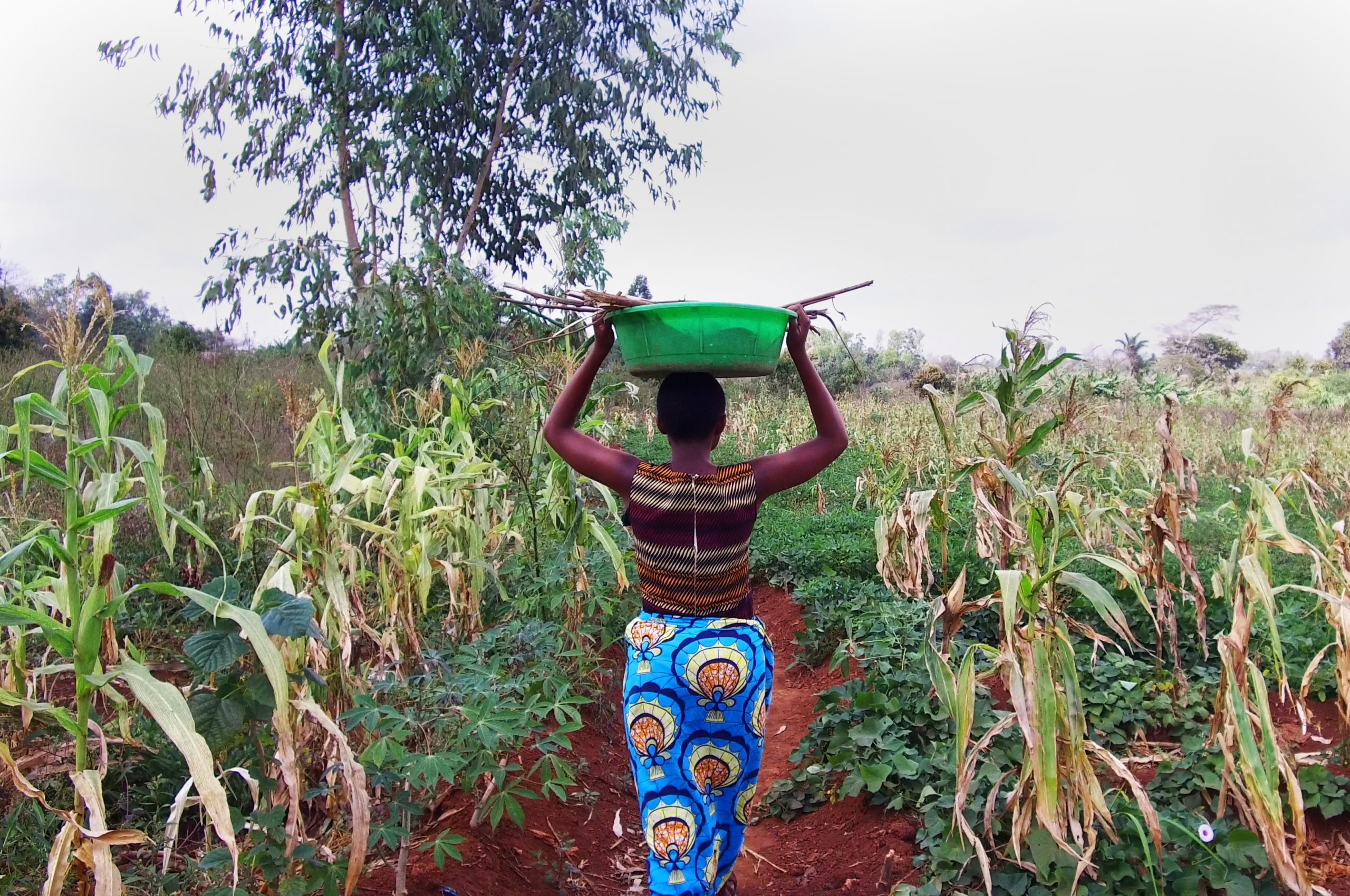
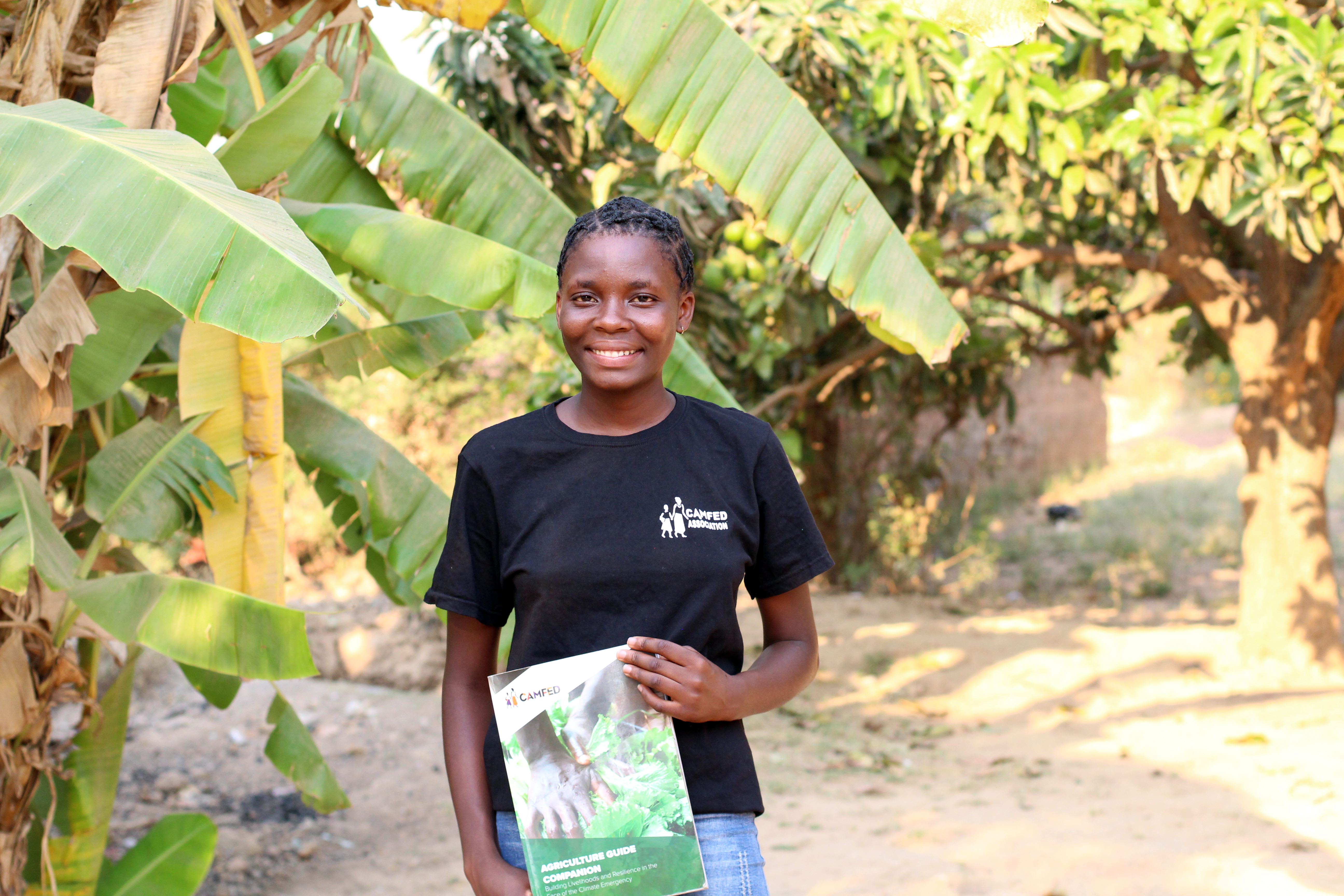
We are rapidly scaling up our climate-smart agriculture training for young women, who in turn are cascading their knowledge and skills to thousands of community members. These communities are then equipped with the skills to build resilience, produce food and create livelihoods in the face of climate change.

  • 3.7K

    By the end of 2025, 3,688 CAMFED Association members had trained as climate-smart Agriculture Guides.

  • X10

    Each trained Agriculture Guide reaches at least 10 young women in her local district with training in climate-smart agriculture. Together they reach hundreds more community members and farmers, helping build climate resilience in their communities

  • 37K

    By the end of 2025, Agriculture Guides had supported 37,220 businesses with sustainable farming techniques.

Impact through enterprise

CAMFED is dedicated to improving the futures of young women beyond the classroom through enterprise. CAMFED Transition, Business, and Agriculture Guides are reaching school leavers with financial training and business support to help them transition into secure, fulfilling livelihoods.

  • 363K

    By the end of 2025, Transition Guides had already supported 363,009 young women school graduates to start businesses, seek employment, and access further education.

  • 152K

    By the end of 2025, 152,068 CAMFED Association entrepreneurs had succeeded in setting up a business, bringing quality food, products, services and jobs to rural communities, and using profits to send more children to school.

  • 158K

    By the end of 2025, 158,213 women-led businesses had been reached with training, financial skills and resources by Business and Agriculture Guides.

  • 16.6K

    By the end of 2025, 16,630 CAMFED Business, Transition, and Agriculture Guides were actively supporting young women’s growing businesses.

We track and measure the impact of our work...

...through rigorous monitoring and evaluation, longitudinal surveys, and in-depth research. Because of our long-term support for girls through school and into independent adulthood, CAMFED has a unique opportunity to track the economic and social impact of investing in girls’ education and young women’s leadership – on individuals, as well as on communities, and beyond.

feature-block_annual-review-2024_full

NewsGlobal

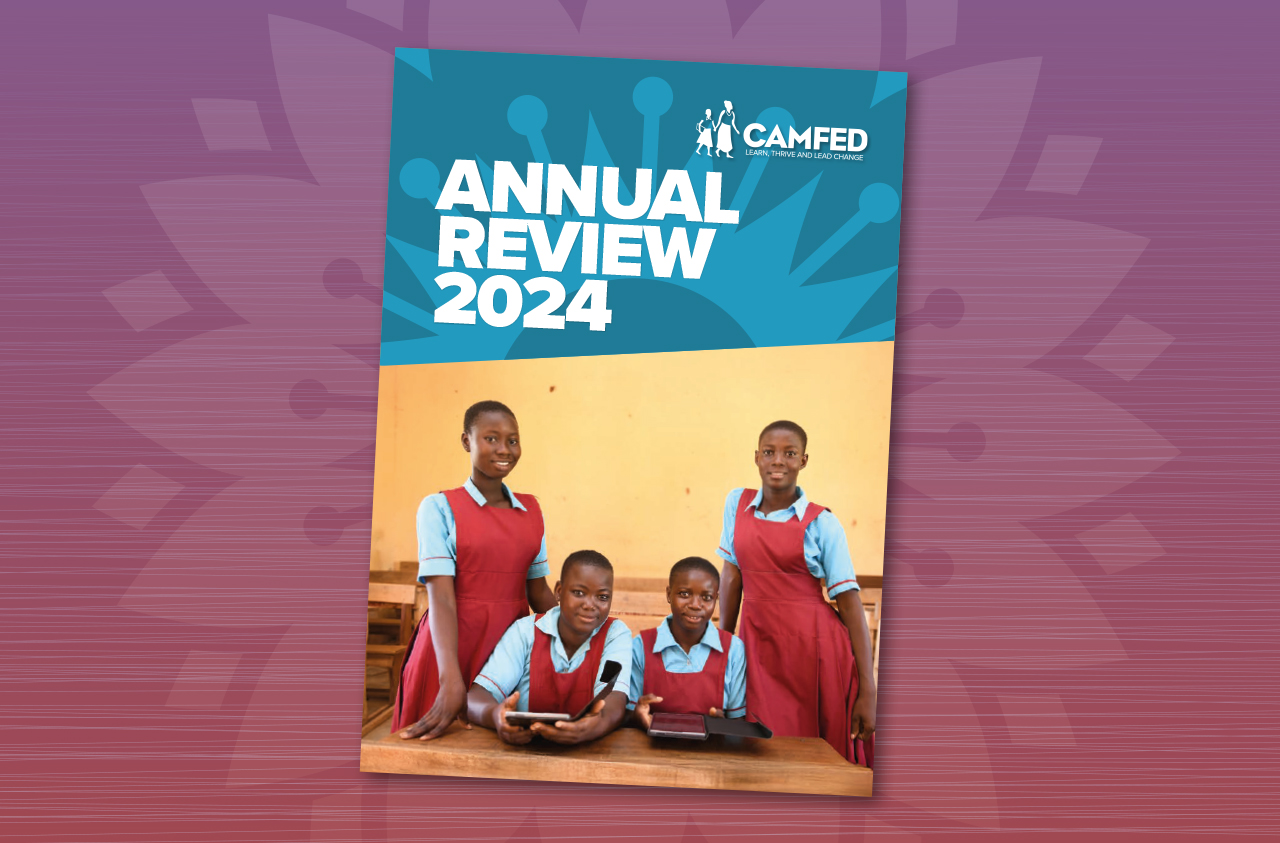
CAMFED Annual Review 2024

In 2024, 738,673 girls in Ghana, Malawi, Tanzania, Zambia and Zimbabwe newly benefited from economic, social and academic support from CAMFED.

Cleopatra-Chisanga-1032781-CAMA-AG-Mpika-ZAM-09-Oct-2023_Catherine-Wood_IMG_0411

NewsMalawi

New research reveals the impact of young women climate leaders in Africa

1,078 CAMFED Agriculture Guides and the 9,262 agripreneurs they trained and supported across three countries, have reached more than 100,000 community members with climate-smart techniques.

Ayisha-Fuseini-172397-CAMA-Entrepreneur-Tamale-GH-Mark-Read-Nov-2019-730

Social Return on Investment Research (2023)

September 2023

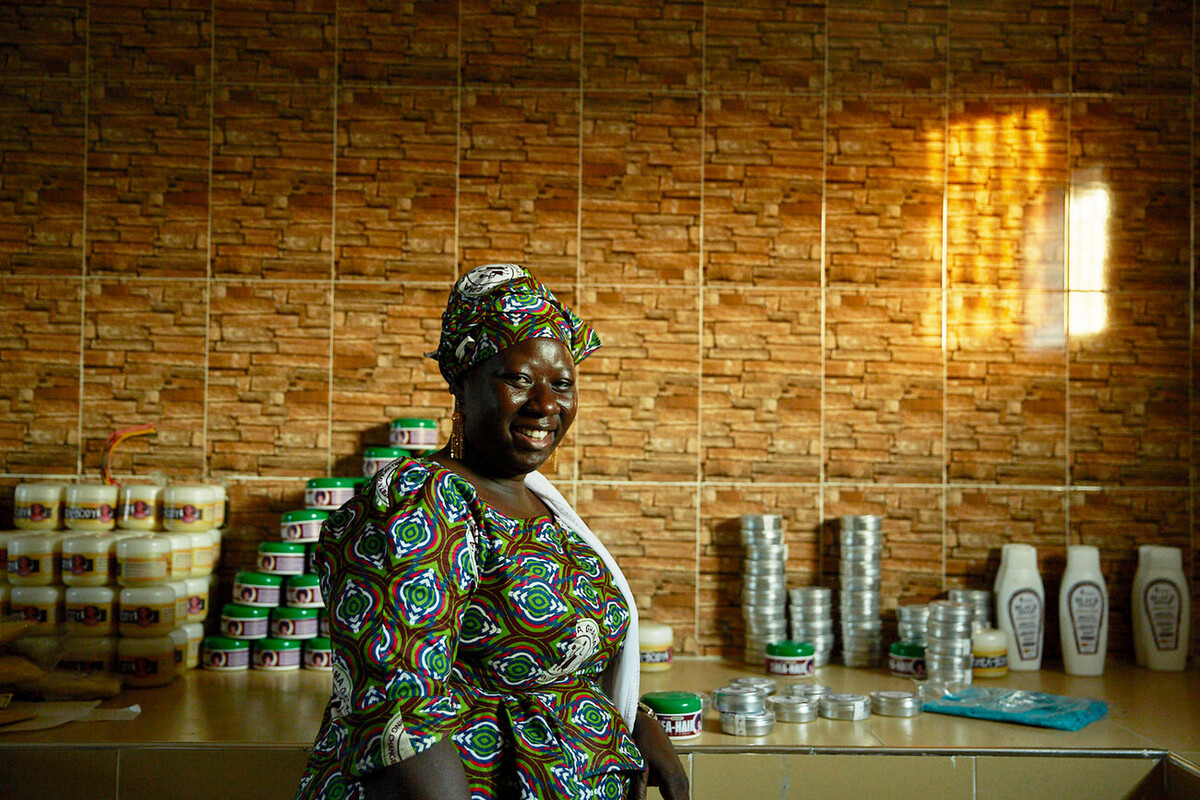
In 2023, we began work with the London School of Hygiene and Tropical Medicine to build a metric through which we can precisely calculate the Social Return on Investment of our enterprise development programs. Stories like that of shea entrepreneur Ayisha show the transformative impact at community-level of the programs we are seeking to quantify.

Hilda-Form-one-secondary-student-RTSL-Kilolo-TZ-Sept-2021-Kumi-Media_0G0A0644_Media-component_CAMFED

Scaling up an education initiative that supports marginalised girls (2023)

July 2023

A blog by researchers at the University of Dar es Salaam, the University of Cambridge and Altamont Group describes our joint project to understand if and how our Learner Guide Program can be scaled up in Tanzania, Zambia, and Zimbabwe. The blog provides some key findings and links to country-level briefs as well as a regional overview.

feature-block_GEC-reflections-2022

NewsTanzania

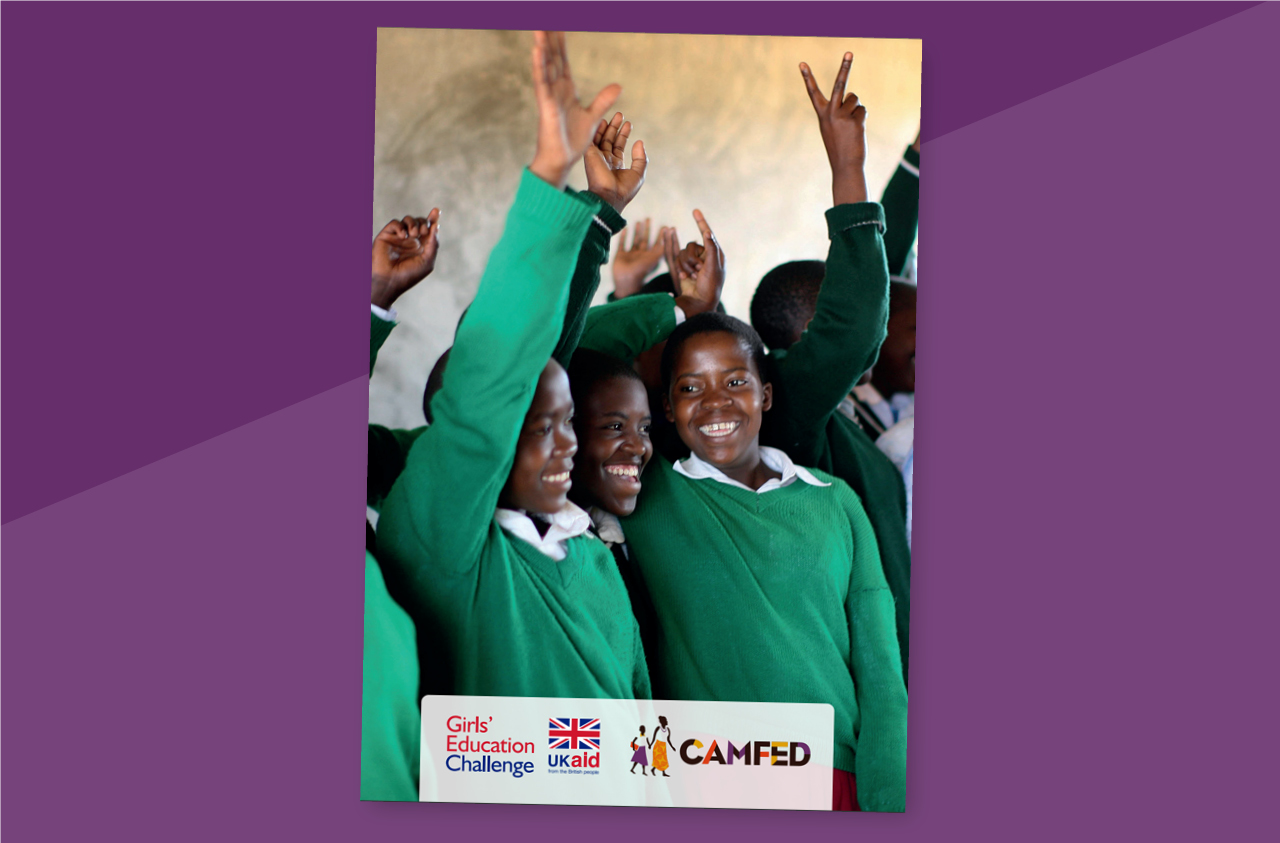
Stepping up to the Girls’ Education Challenge

A final reflections piece, developed in partnership with the FCDO’s Girls’ Education Challenge (GEC) team, gives an overview of two projects that made a difference to more than 277,000 girls and young women in Tanzania,  Zambia and Zimbabwe.

The-unsung-hero-in-tackling-climate-change-news-feature

Climate Education Needs Assessment Briefing Note (2022)

June, 2022

Released in June 2022, this briefing note on CAMFED’s Climate Education Needs Assessment in Zambia and Zimbabwe looks at how we co-create a program with young people in rural communities that meets their needs to learn about climate change, keep themselves safer, build resilience and step-up as climate leaders.

Bicycles-Camfed-scholars-Secondary-308004-Bibaha-TZ-22-Sep-2016-Eliza-Powell-DSC_2745.jpg

GEC-Transition Endline Evaluations

February-March, 2022

These new reports detail findings from two CAMFED projects supported by UK Aid Girls’ Education Challenge – Transition (GEC-T) grant which concluded in December 2021. Both projects recorded positive results with improvements in girls’ enrolment, retention and progression.

Alicia-Herbert-OBE-Fiona-Mavhinga-Pauline-Rose-Jesus College-Yidan-Conference-7-Oct-2021-Chris-Loades-Yidan-_4X3A0457

BlogGlobal

A ‘revolution in data’ is needed to create an equitable future through education

A blog written by Professor Pauline Rose, Director of the Research for Equitable Access and Learning (REAL) Centre at the University of Cambridge, which just announced a new partnership with CAMFED to examine how community-led interventions that target the needs of the most disadvantaged children can be scaled through education systems in Tanzania and in other countries in sub-Saharan Africa.

Mercellina-Kazare-734686-TG-CAMA-GH-Eliza-Powell-31-July-2018DSC_8337

Sustainable business opportunities for women in northern Ghana

March, 2021

Through an exciting research collaboration, CAMFED, the International Labor Organization (ILO) and the Mastercard Foundation, explored the agricultural value chains in northern Ghana that offer the greatest potential for female entrepreneurs to create good jobs for themselves and others.

Cindy_greenhouse

Emerging Outcomes of the Scholars Entrepreneurship Fund Program Survey Report

March, 2021

CAMFED Ghana published findings from a survey of 46 young women awarded funding through the Scholars Entrepreneurship Fund, established with the support of the Mastercard Foundation. The fund was set up in response to Scholars highlighting that they had or wanted to start viable businesses to benefit communities, but were unable to access the required finance to scale and sustain them.

Melody-Secondary-ZM-school-community-stakeholders-photo-Eliza-Powell-23-Sep-2017- DSC_7060

Education Commission: Teamwork is crucial to achieving SDG4 - Quality Education

September, 2019

This report by the Education Commission –Transforming the Education Workforce: Learning Teams for a Learning Generation –  underlines the importance of strengthening, diversifying, and reimagining an education workforce in order to deliver inclusive, quality education for all.

stats-image_asmat_tz

REAL Centre: 12 Years of Quality Education for All Girls

January, 2019

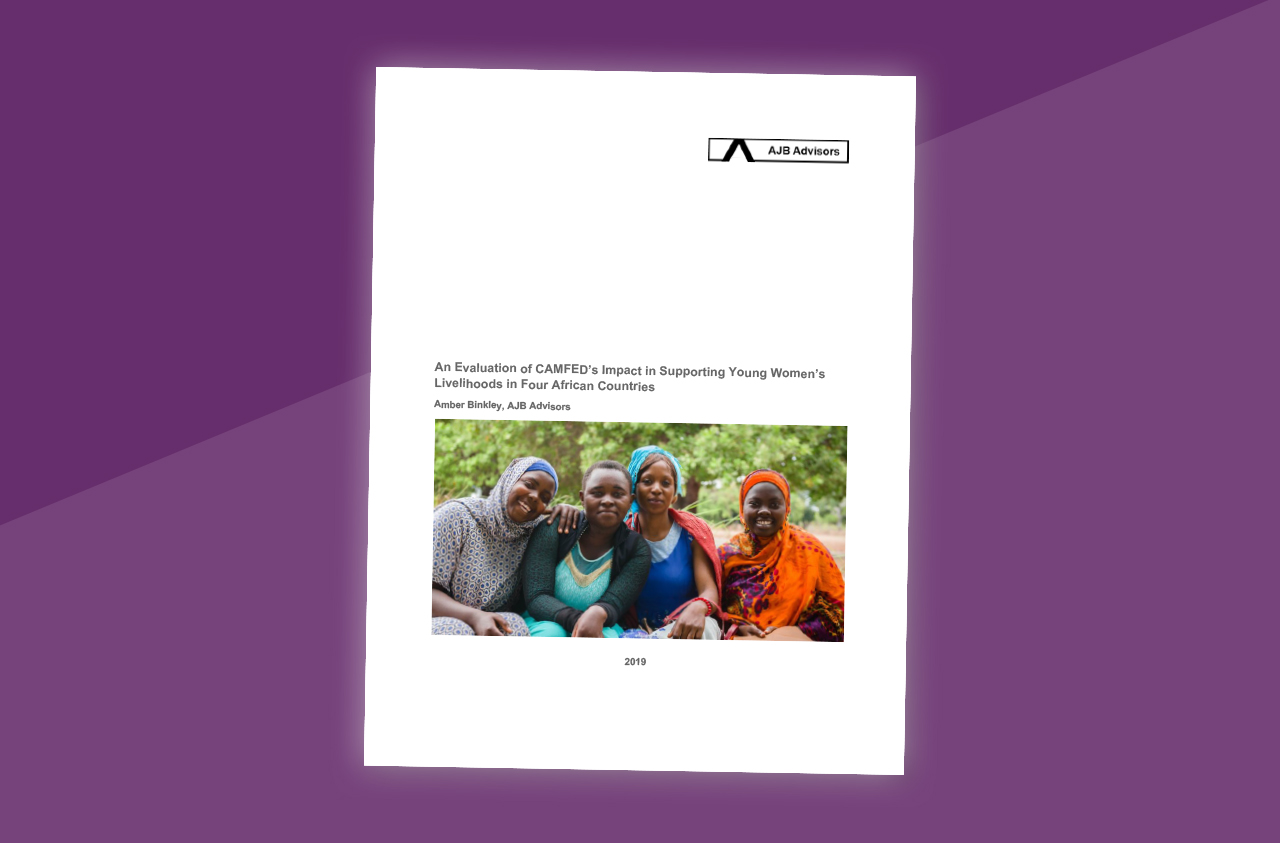
A study, released by the Research for Equitable Access and Learning (REAL) Centre at the University of Cambridge, drawing on CAMFED data, outlines what works in disadvantaged girls’ education and the priorities for further action towards reducing inequalities. It was commissioned by the UK Foreign, Commonwealth and Development Office (FCDO) to inform discussions at the 2019 Education World Forum.

feature-block_our-partners_real

REAL Centre: Assessing cost-effectiveness with equity of a programme targeting marginalised girls in secondary schools in Tanzania

January, 2018

November 2020 marked the 5th birthday of the Research for Equitable Access to Learning (REAL) Centre at the University of Cambridge partnership with CAMFED. This paper into effective education interventions is an in-depth cost-effectiveness analysis of CAMFED’s program in Tanzania.

Thank you to our generous recent donors

Together we are breaking the cycle of poverty

Donate

Bonnie Fischer $16.10

Teresa Paglione $26.60

Elisabeth Goodrich $10.90

Candice Mims $26.60

Pamela K Shropshire $25

Amit Roy £12.70

Dionne Baker $10.90

Lola Skroch $700

Robin Gregory £5.40

Derek Juno $899

Debra Waite $21.40

Duane Cheers $52.90

Rob Andersen $500

Christina Michella $21.40

Shannan Timms $16.10