
“Research about us, without us…is not for us”
Six graduates in the CAMFED Association of women leaders educated with CAMFED support in Tanzania and Zimbabwe are leading research into how young women build thriving livelihoods.
In Tanzania and Zimbabwe, a significant proportion of young women in rural communities are not in employment, education or training. We know that in Zimbabwe, for example, over 40% of young women are not in employment, education or training (1).
To help address this, a research collaboration between CAMFED, the London School of Hygiene and Tropical Medicine, the Biomedical Research and Training Institute, EDI Global, and the Ifakara Health Institute –with support from the Mastercard Foundation as part of its partnership with CAMFED – has been looking into the opportunities and challenges for young women in accessing dignified and fulfilling work after completing school.
Following a rigorous selection process, six graduates in the CAMFED Association in Tanzania and Zimbabwe were supported to design and lead their own research projects under the umbrella of this research collaboration. During the project, young people are being supported through the Youth Researcher Academy. This began with a week of in-person training in Harare, Zimbabwe in 2025, and continues with monthly virtual sessions – where young people have the opportunity to hone their expertise for qualitative and quantitative research methods.
In March, they came together during a series of workshops with project stakeholders to share interim results, discuss and interpret early findings and identify areas for further exploration. The full version of the mid-line research report – Evaluating the Impact and Cost Effectiveness of CAMFED’s Livelihoods Program on young women’s economic status, health and wellbeing in Tanzania and Zimbabwe – can be downloaded here.
This research is situated within a wider study to examine the impact and cost-benefit of CAMFED’s Enterprise programs on young women’s economic activity, health and wellbeing in Tanzania and Zimbabwe. The first phase of the research, conducted in collaboration with the London School of Hygiene and Tropical Medicine, calculated a return on investment of 1:7 and involved participatory workshops with CAMFED Association members to co-design the current evaluation.
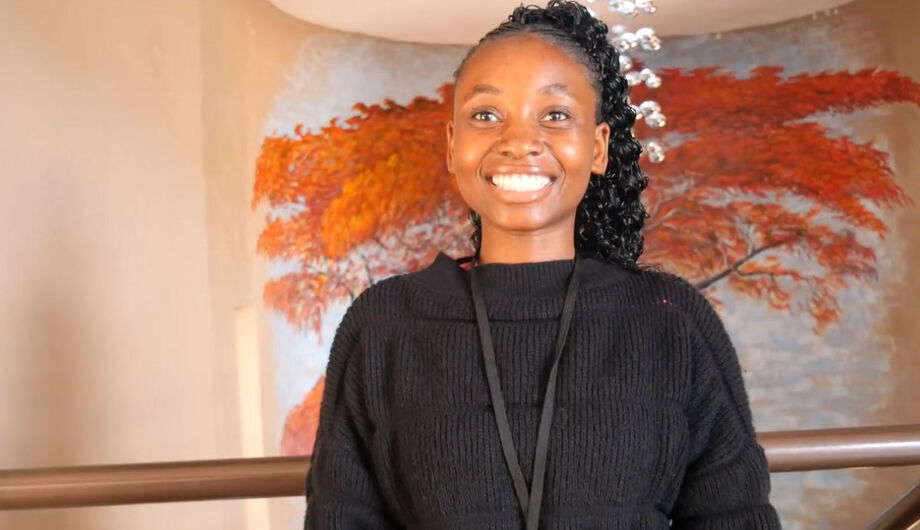
"I’m now able to launch my own research proposal from scratch and execute it, and the skills that I learned as a Youth Researcher are helping me in my everyday life.”Zangelo, Youth Researcher and CAMFED Association member, Zimbabwe
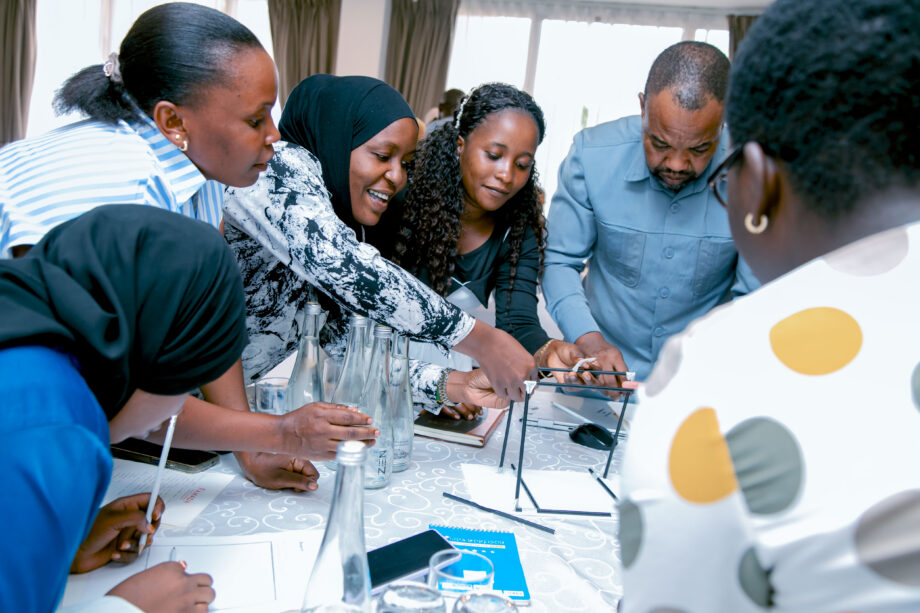
Co-creating research with the young people it serves
This research was created in partnership with young women in Tanzania and Zimbabwe, who defined the research questions they wanted to address and designed the research methods to ensure the study reflected lived experience.
The initiative reflects the shared commitment of CAMFED, the Mastercard Foundation, and all our research partners to co-creating solutions with and for the young people we serve.
Throughout this collaboration, we’re finding that when girls and young women are directly involved in shaping and conducting research, their lived experience is invaluable in understanding what matters to young women themselves.
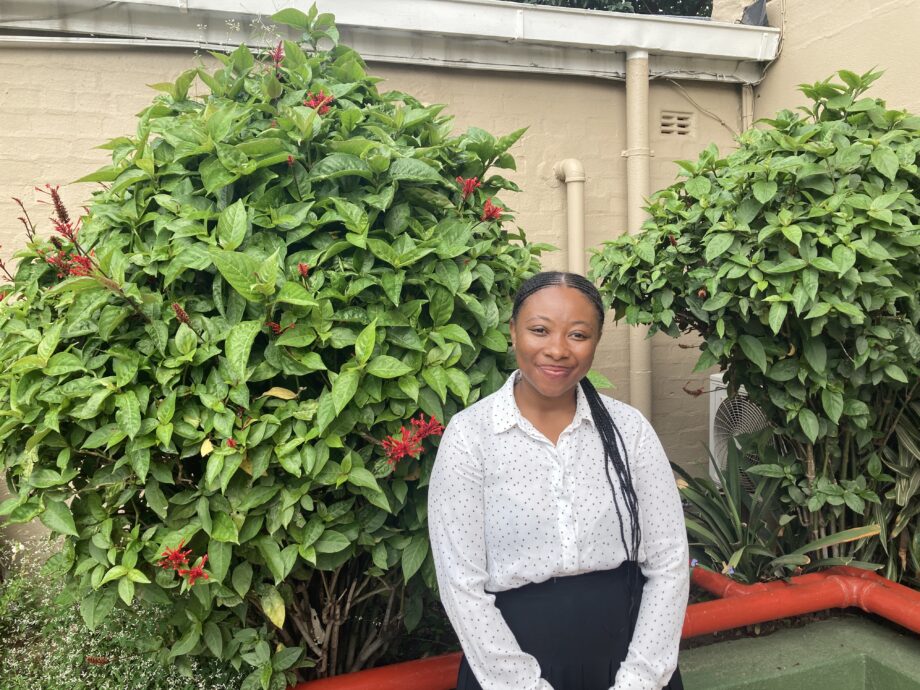
I'm super excited about this research because it does not consider only the outsider - there is the involvement of the CAMFED Association network in the research. From the findings, we can see that the involvement of CAMFED Association members in the research is enlightening how the program is being delivered. The involvement of CAMFED Association members shows inclusion. Remember – anything for us, or about us, without us, is not for us!Lisa, CAMFED Association Chair, Zimbabwe
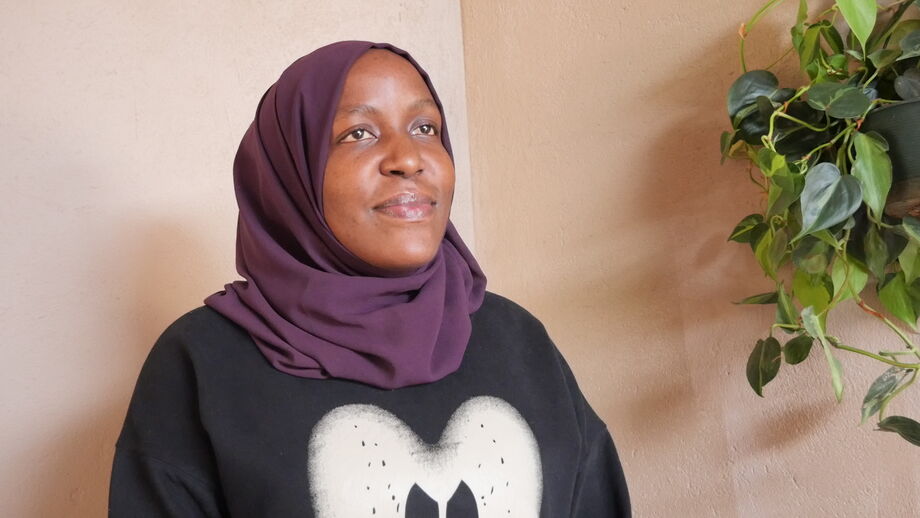
Mwanaisha, Youth Researcher, Tanzania
In Tanzania, Mwanaisha is one of three youth researchers leading a study evaluating the impact of CAMFED Tanzania loans and grants on the financial growth of businesses run by women graduates aged 18-28, while exploring the persistent barriers to business expansion in three districts.
Mwanaisha is an entrepreneur and Geography and Environmental Studies graduate. She is also a Transition Guide – supporting school graduates to find work, start businesses or continue their education. As a business owner, Mwanaisha has supported young women with financial education, focused on entrepreneurship and budgeting. In her role as a youth researcher, she is bringing her passion for creating real-world impact for women’s livelihoods to this research.
The study ultimately seeks to promote inclusive economic development and sustainable job opportunities for young women in Tanzania.
Through our research, we have found that CAMFED Association members who have received grants have been able to start businesses – not only one business, some CAMFED Association members even manage to start more than one business. I was surprised by this, and it’s great to see what is possible.Mwanaisha, Youth Researcher and CAMFED Association member, Tanzania
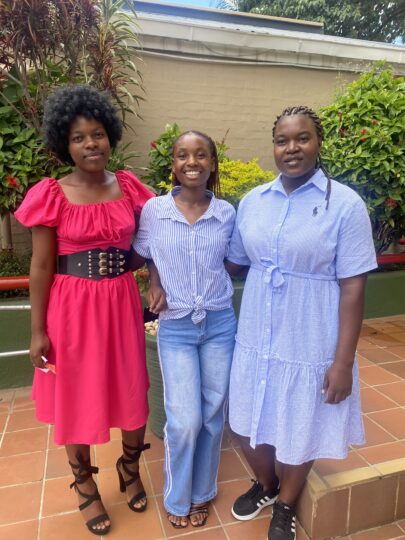
Zimbabwe: Young women’s research priorities
In Zimbabwe, Isabel is one of three youth researchers leading a study exploring the influence of CAMFED’s Enterprise programs on income generation and wellbeing in two Zimbabwean districts. Utilising a qualitative research approach, Isabel, Kuthaba and Zangelo are working to understand the experiences and perceptions of CAMFED Association ‘Business Guides’ and the impact of loans and grants on individuals’ lives.
Isabel is an entrepreneur and Sociology graduate. She is also a Learner Guide – a peer mentor, supporting girls in her community to learn, thrive and create a better world for themselves and their communities. In her role as a youth researcher, she is using the skills that she has built from her past experiences to champion women’s entrepreneurship.
Through careful attention to ethical considerations and a clear dissemination plan, the research in Zimbabwe aims to not only generate meaningful data to continually improve CAMFED’s enterprise support programs, but also to ensure that it benefits the communities involved.
I was happy that I gained practical experience in formulating research topics. It is going to help me career wise in becoming a good researcher, as I would love to become a full-time researcher!Isabel, Youth Researcher and CAMFED Association member, Zimbabwe
(1) World Bank, 2024
More of the latest from CAMFED