Donate
Image

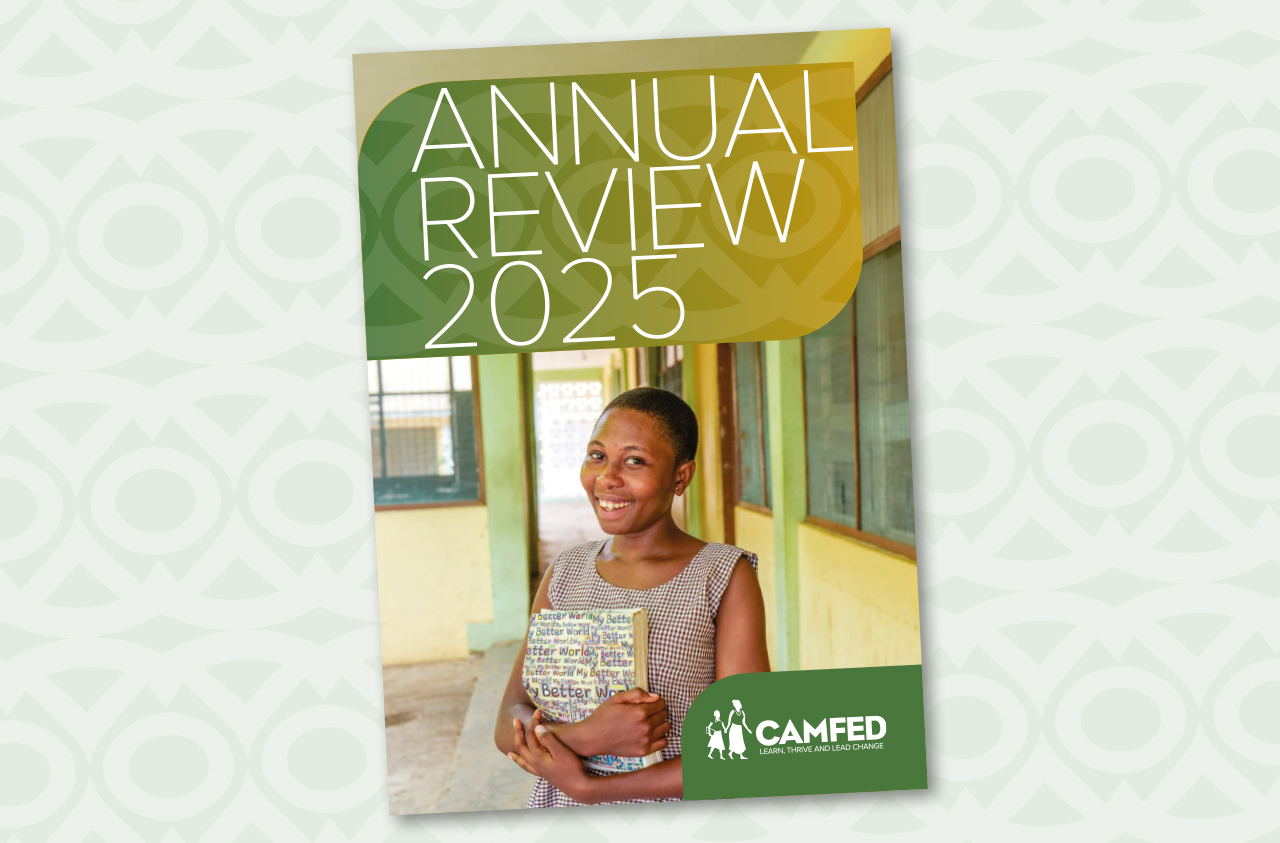
Annual Review (2024)

Read CAMFED’s 2024 Annual Review to find out how the collective investment made by CAMFED graduates, their communities, and our partners and champions across the globe is driving progress towards our goal of supporting 8 million girls to go to school this decade.

Read our 2024 Review (North America)

Key Documents and Reports

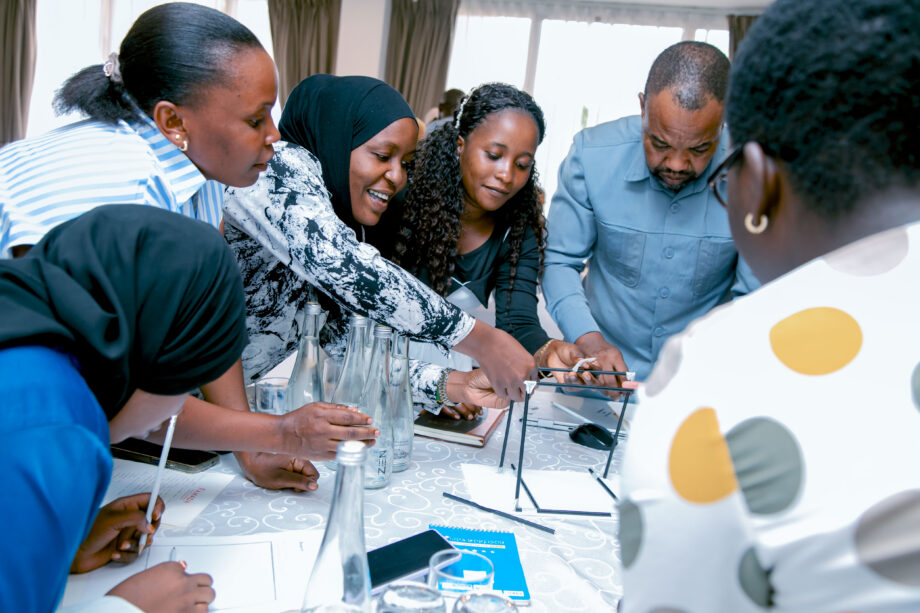
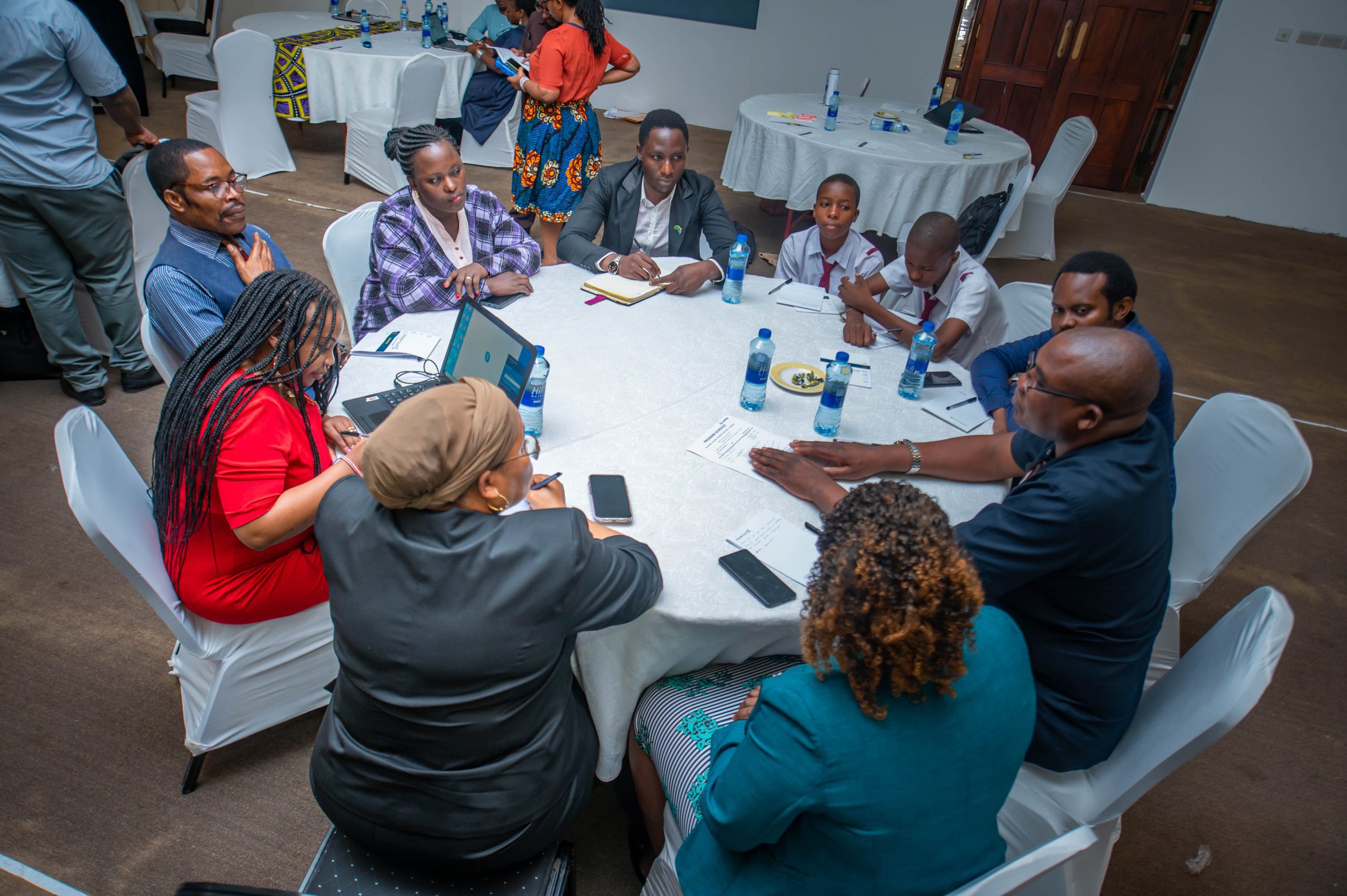
Youth-Research-Workshop-CAMFED-CAMA-Group-Photo-Dar-TZ-Mar-2026

Research Report: Evaluating the Impact and Cost Effectiveness of CAMFED’s Livelihoods Programme on young women’s economic status, health and wellbeing in Tanzania and Zimbabwe

In Tanzania and Zimbabwe, a significant proportion of young women in rural communities are not in employment, education or training. To help address this, a research collaboration between CAMFED, the London School of Hygiene and Tropical Medicine, the Biomedical Research and Training Institute, EDI Global, and the Ifakara Health Institute – made possible by the Mastercard Foundation – has been looking into the opportunities and challenges for young women in accessing dignified and fulfilling work after completing school. This mid-line research report shares interim results, discusses and interpret early findings and identifies areas for further exploration. 
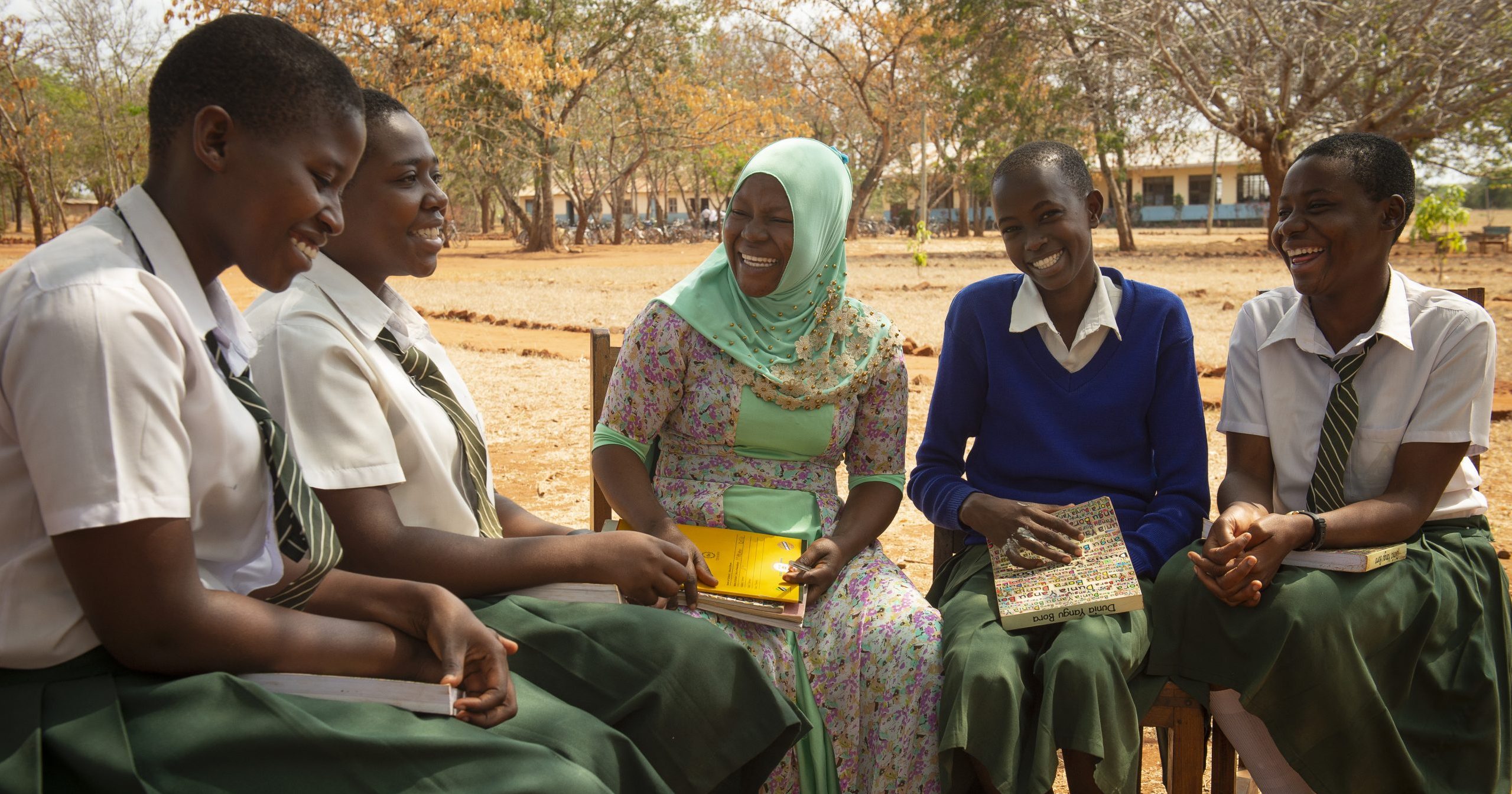
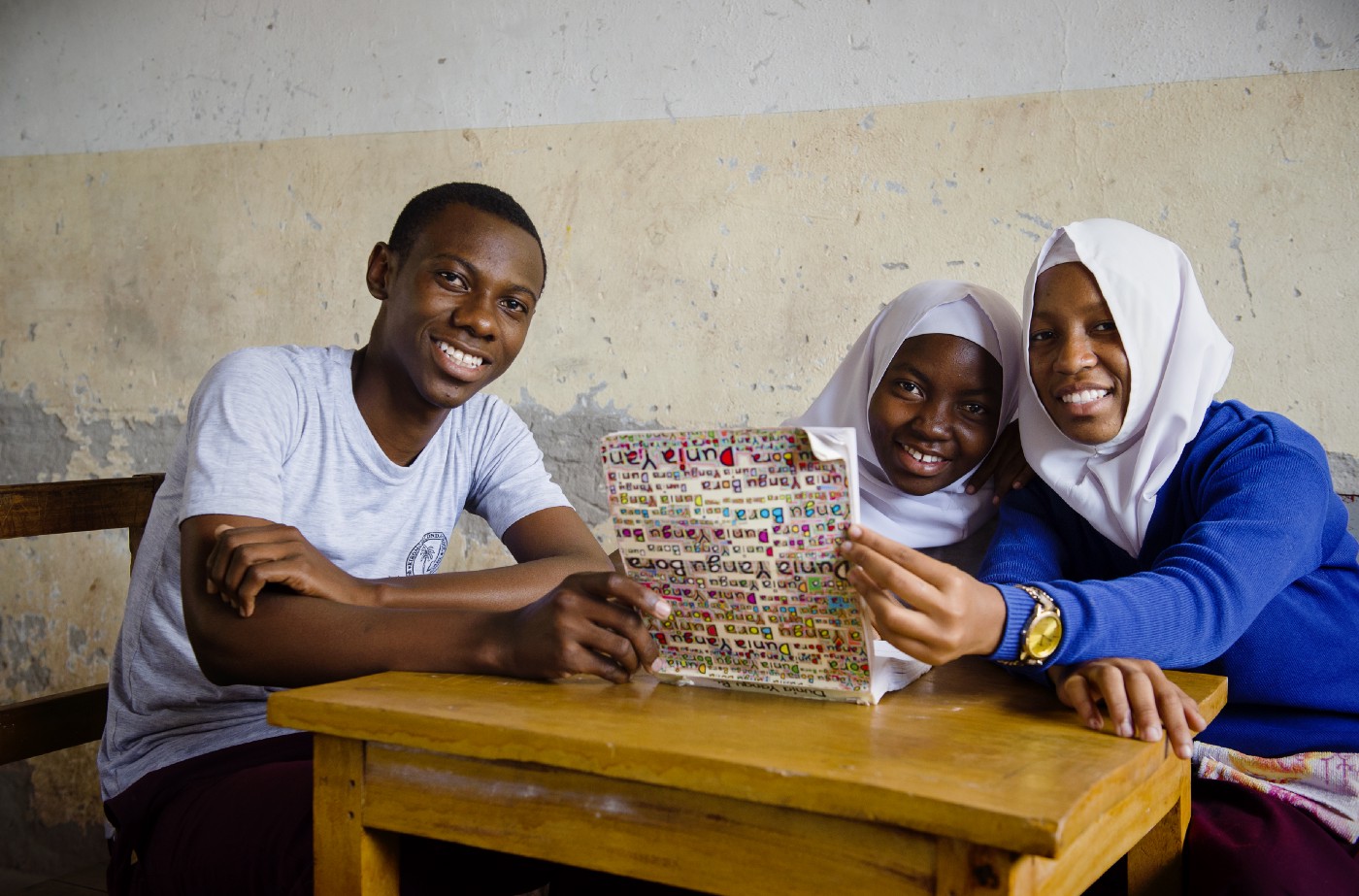
Khadija-803382-Flora-762264-Dotto-Ally-Ramadhani-50800-CAMA-Mkana-Rehgema-Secondary-Scholars-Morogoro-TZ-Oct-2019-Eliza-Powell_DSC_1749

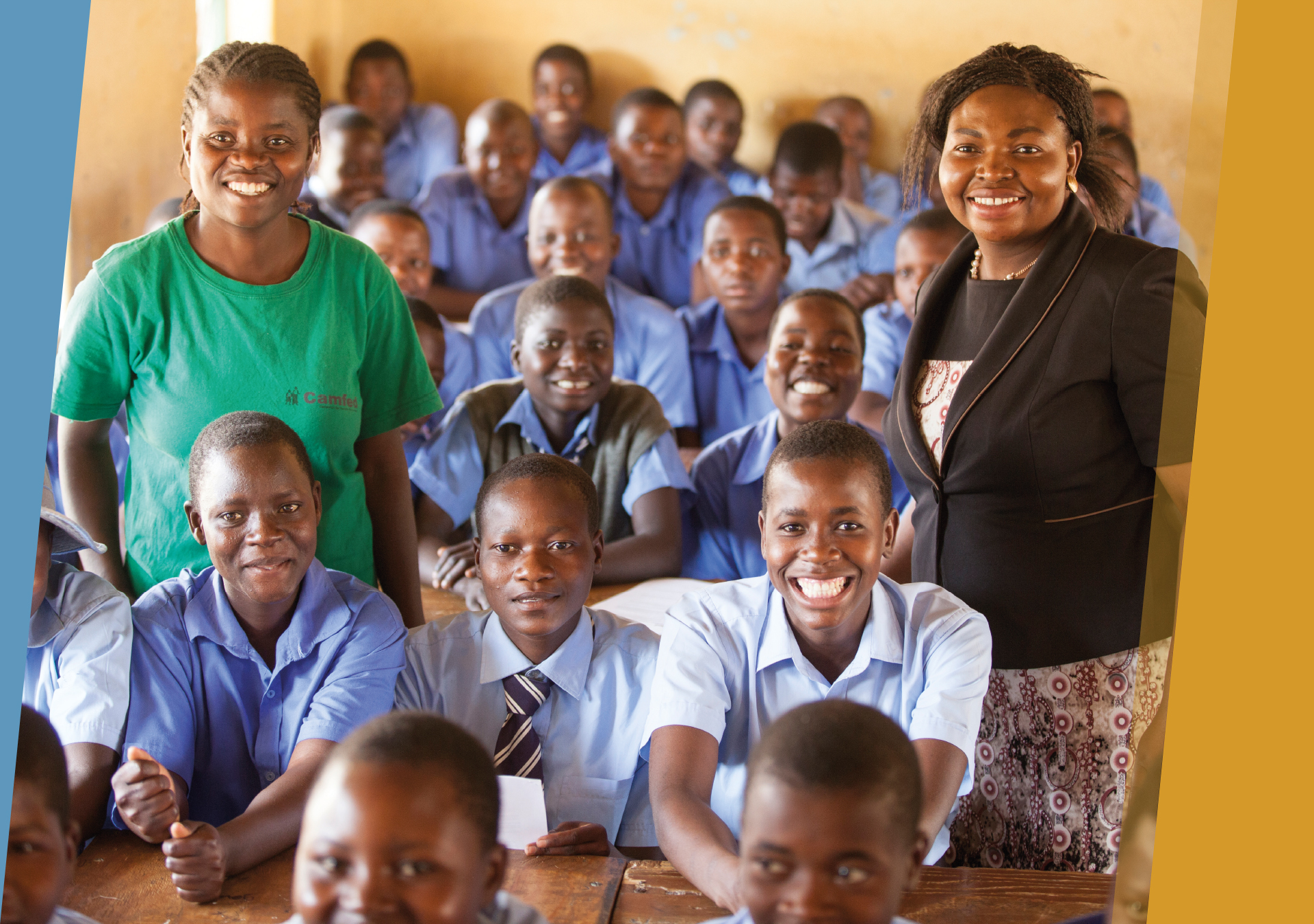
Research Report: Lessons from government adaptation and adoption of CAMFED’s Learner Guide program in Tanzania (2026)

This research report on a study undertaken by the REAL Centre, University of Cambridge, and the School of Education, University of Dar es Salaam, examines the process by which the Tanzanian Government has adapted and scaled CAMFED’s Learner Guide model, a peer mentoring life skills initiative that aims to support marginalized girls to thrive in school, learn, set goals and achieve them, while simultaneously developing young people’s leadership skills and future prospects.

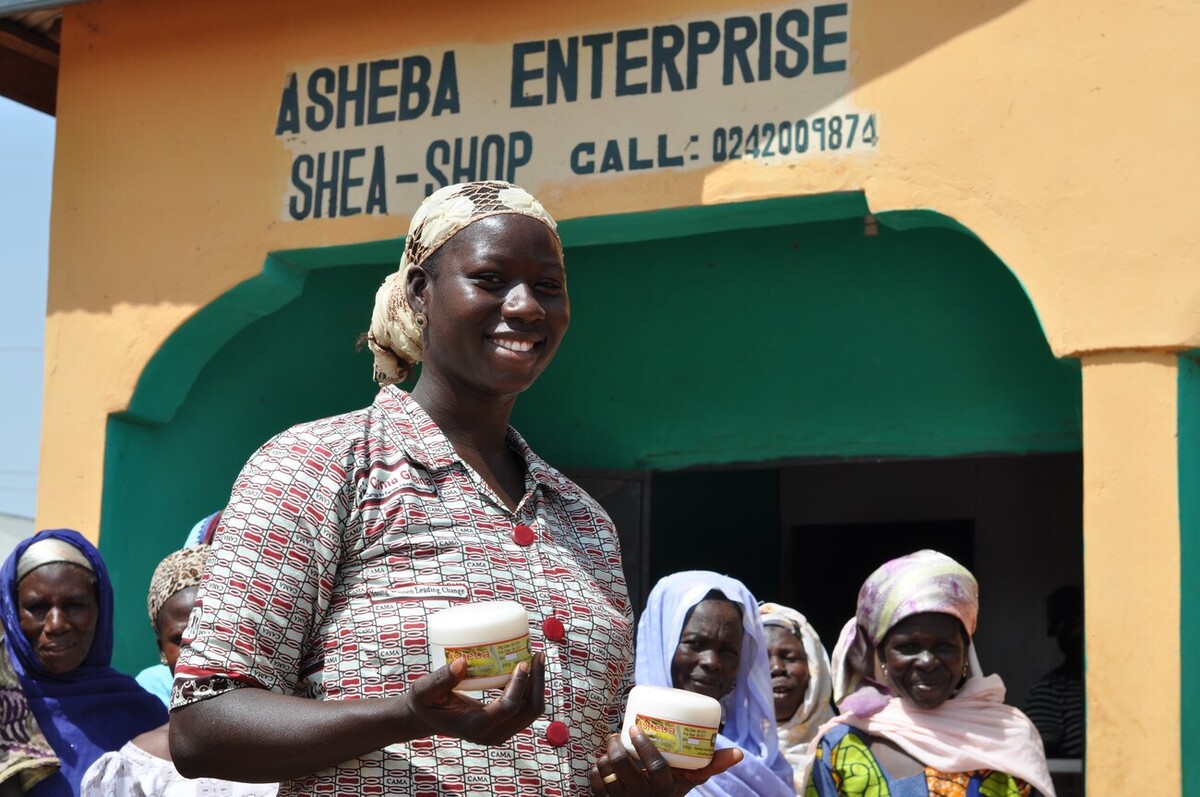
Hannah-Quainoo-657638-CAMA-Entrepreneur-MCF-Cape-Coast-GH-Aug-2022_2_cropped

Green Jobs and Young People in Africa: Ghana Report (2025)

This research is an investigation of the aspirations and barriers experienced by Ghanaian youth from disadvantaged backgrounds, especially women, in respect of green jobs (for example in renewable energy, sustainable agriculture, waste management, and ecotourism). It was conducted collaboratively between the Institute of Statistical Social and Economic Research (ISSER) at the University of Ghana and CAMFED. This study distinguishes itself by embedding young people as co-researchers, thereby amplifying voices often marginalized in policy research. The research team included six Ghanaian youth researchers who co-designed the study and participated in data collection, analysis, and writing.

Chise-Kabungo-150234-CAMA-LG-MBW-session-Mpika-ZAM-12-Oct-2023_C-Cardwell_IMG_1862 (1)

Research Report: Measuring Life Skills with the Adolescent Girls Agency Survey, Zambia (2025)

CAMFED carried out a research project in Zambia to assess the impact of its life skills and mentoring program on learners’ self-esteem and sense of agency, with a specific emphasis on marginalized girls. The study also explored whether improvements in these areas were linked to higher rates of school retention and completion. The study, made possible by the Stone Family Foundation, found a statistically significant increase in overall agency and in all subdomains—self-belief, self-governance, leadership, and environmental beliefs—among students in the program. These gains were consistent across gender, age, and disability.

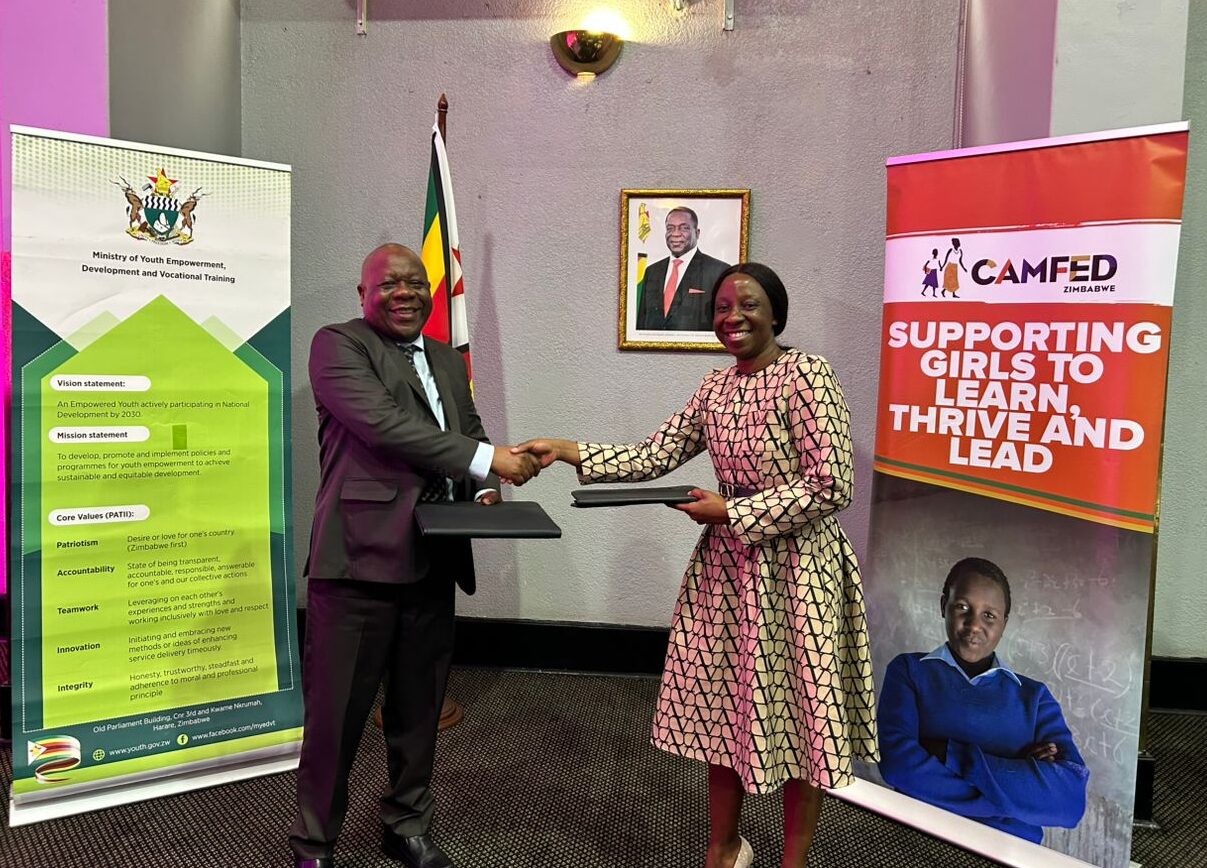
Solomon-Mhlanga-PS-Ministry-of-Youth-Justina-Hama-CAMFED-ZIM-MoU-Signing-Dec-2024_Image20241218093320

Analysis: Documenting CAMFED’s Partnering Practices with Governments (2025)

Aisha D. Sykes’ report explores the methods by which CAMFED is successfully partnering with government entities responsible for education and young people’s lives. It examines how partnerships evolve, depending on context and location, in order to ensure that education-based innovations are integrated into national policies and strategies, supporting systems transformation. This synthesis and analysis is part of a broader effort, supported by the Global Partnership for Education Knowledge and Innovation Exchange (GPE/KIX), a joint endeavor with the International Development Research Centre (IDRC), Canada.

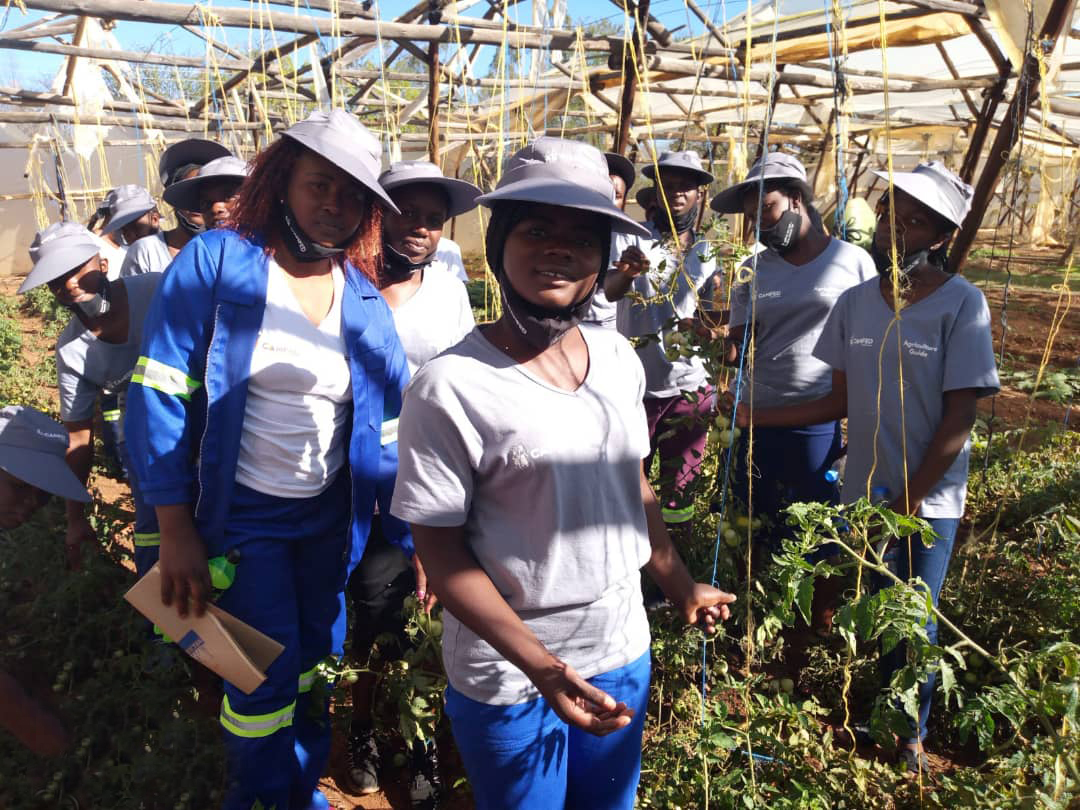
IMG_6707

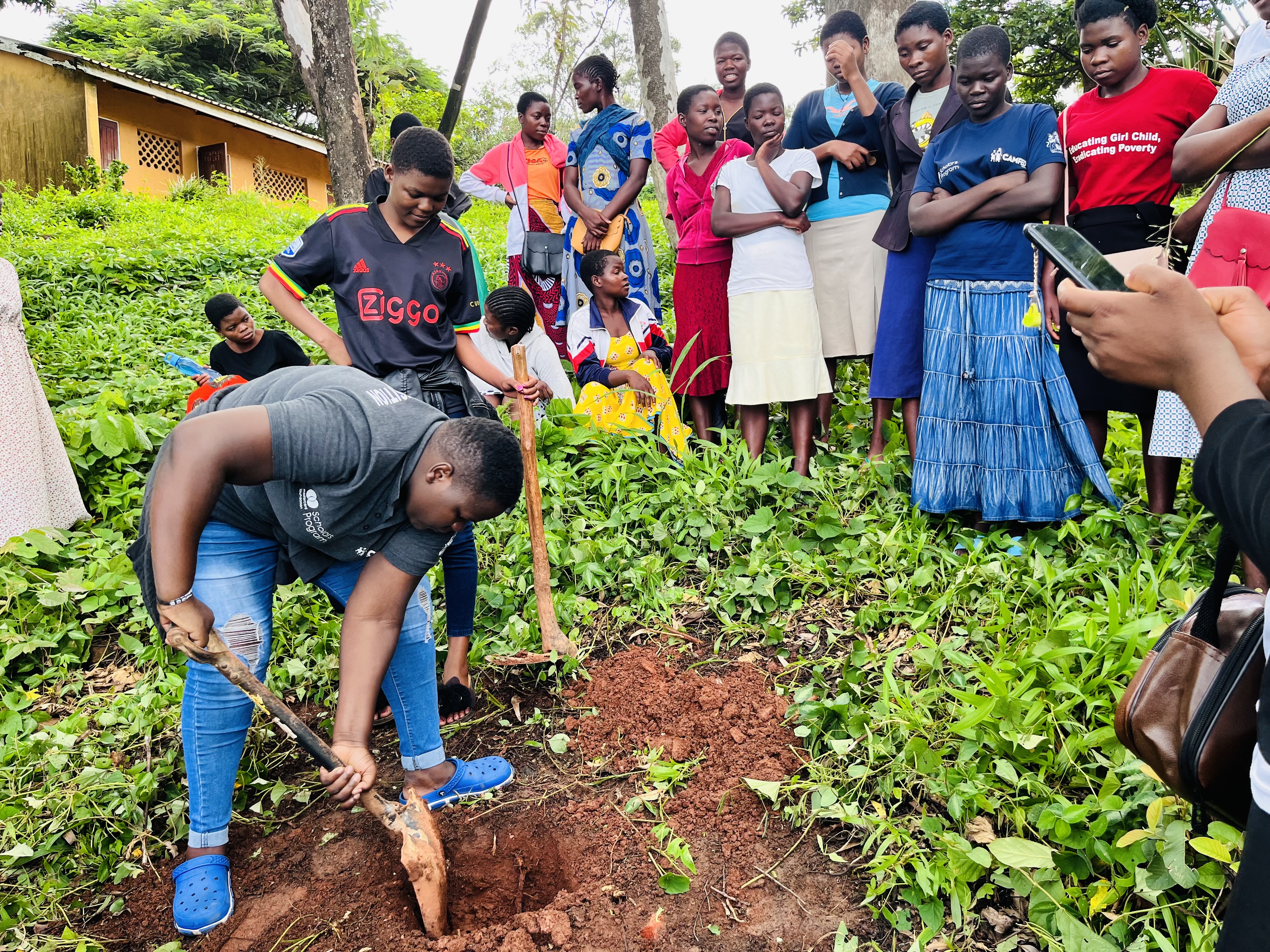
Research: Understanding the impact of CAMFED’s Agriculture Guide Programme in the context of severe drought (2025)

CAMFED conducted qualitative research with Agriculture Guides, Agripreneurs and the wider community in 10 districts in Zambia and Zimbabwe to understand the impact of the 2024 drought and if, and how, the Agriculture Guide Programme was helping to embed climate resilience. In this document we detail the findings which include: how the drought affected households; how the programme helped individuals and their communities to adapt; and ways in which we plan to strengthen the programme based on this learning. 

standard-hero_mashine-school_zim

Evaluation Report: Sustaining Changes in Community Attitudes and Norms to Improve Girls’ Education Outcomes (2025)

A new report produced from a study led by the Research for Equitable Access and Learning (REAL) Centre at the University of Cambridge emphasizes the importance of supporting young women to become agents of change. The study focused on interventions under the UK Government’s Girls’ Education Challenge, and cites CAMFED’s Learner Guide program in Zimbabwe as an example of education systems transformation led by young women and their communities – vital in sustaining progress for girls’ education.

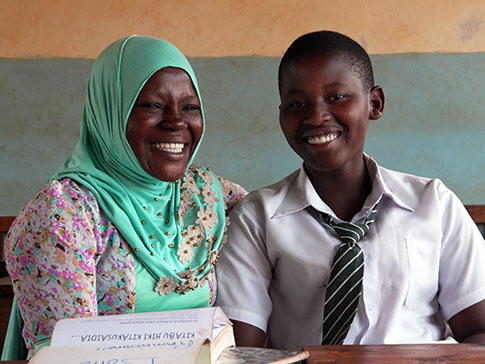
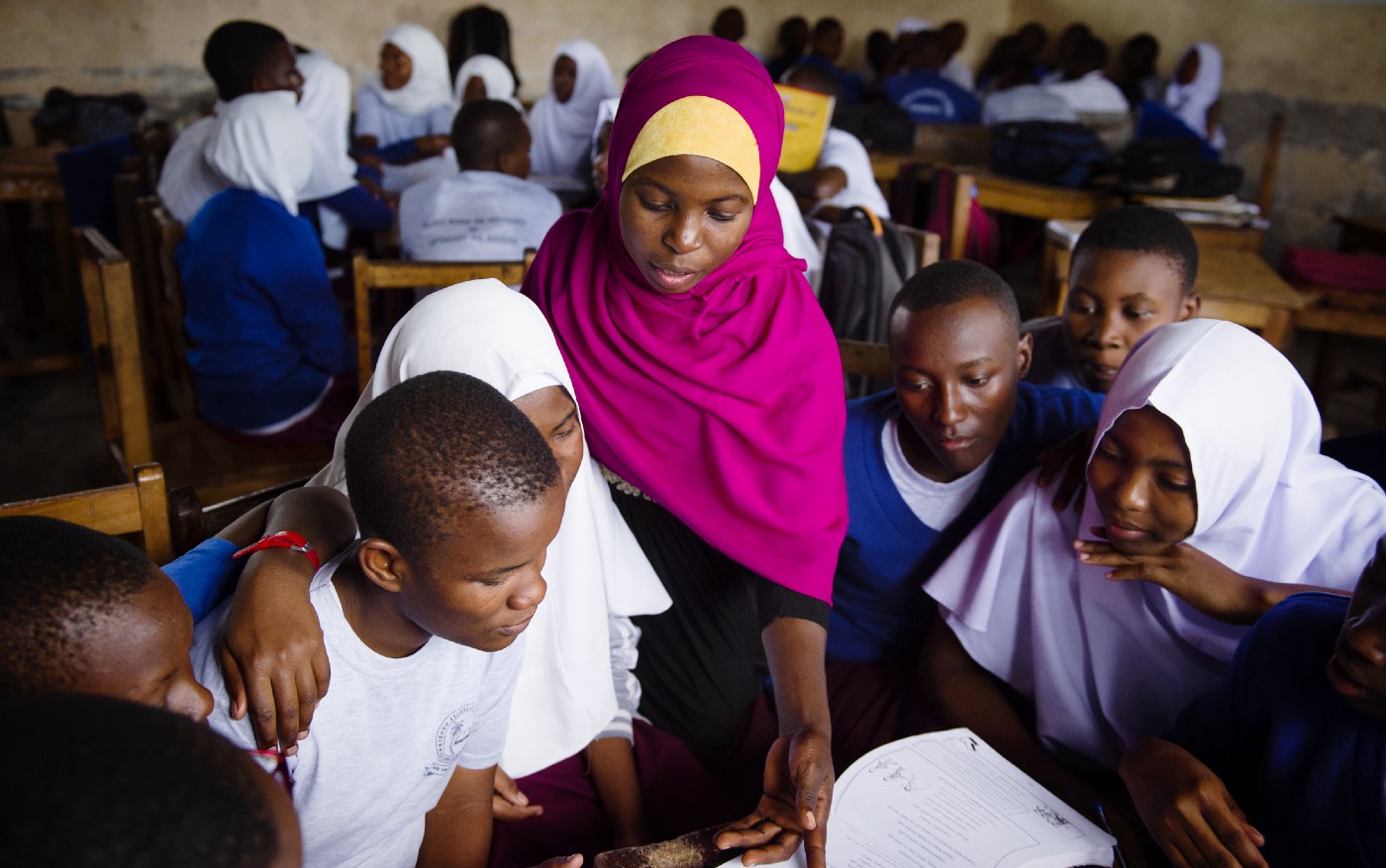
Secondary_image_-_Dotto_CAMFED_Association_LG_TZ_with_secondary_student_Hadija

Policy Brief: Advancing Gender-Transformative Leadership in Tanzania (2025)

Women’s leadership in education is essential for achieving gender equality and improving learning outcomes. While Tanzania has made progress in increasing girls’ access to education, significant gender disparities persist in leadership roles, particularly in secondary schools. This policy brief, developed by Lydia Wilbard, Executive Director – Learning & Engagement at CAMFED, stems from her research as an Echidna Global Scholar at Brookings and looks at how to advance gender-transformative leadership and achieve equal education for all in Tanzania. 

CAMFED Regional Scaling Advisory Committee Meeting TZ Nov 2022 780_6304_Kumi Media

Book Citation: The Rise Of Knowledge Brokers In Global Education Governance (2024)

A book entitled The Rise Of Knowledge Brokers In Global Education Governance (published by Elgar Online) features CAMFED’s work to promote knowledge sharing and collaboration for integrating its Learner Guide model into national education systems at scale. These efforts are drawn on as a successful example “of research driven by user needs, co-produced with national experts, and designed and managed in ways that increase the likelihood of influence and impact.” The chapter citing CAMFED’s “promising results in terms of uptake by ministries of education and other organizations” is authored by Tricia Wind and Margarita López of the International Development Research Centre (IDRC).

Rashi-left-Rehema-207636-centre-Samira-right-Secondary-Bagamoyo-TZ-23-Sep-2016-Eliza.jpg

Research: Student participation and wellbeing comparison (2024)

This research by the University of Dar es Salaam and the REAL Centre at the University of Cambridge looks at government adaptation and adoption of CAMFED’s youth-led social support and mentorship model in Tanzania.  It compared participation by teachers, Learner Guides and students; to what extent student participation was associated with improved wellbeing; and the differences by gender and poverty in student wellbeing between the approaches.

Ayisha-Fuseini-172397-Sagnarigu-GH-Patrick-Hayes-25-May-2015-159

Research: Measuring the impact of CAMFED's support for women’s livelihoods (2023)

This report by the London School of Hygiene and Medicine (LSHTM) details the co-design process with young women entrepreneurs to measure the impact of CAMFED’s livelihoods work. The preliminary investigation demonstrates a positive social return on investment in Tanzania and Zimbabwe over a three-year period and lays out a plan for the multi-year study.

Clara-Shaibu-Waale-732714-Leading-School-Session-Tamale-GH-Eliza-Powell-1-August-2018-DSC_8469

Sister support: Lessons on peer mentoring from the Girls’ Education Challenge (2023)

This booklet from UK government’s Girls’ Education Challenge (GEC) highlights the transformative impact of peer-mentoring on learning outcomes and self-esteem of school students. It highlights the benefits of CAMFED Transition Guides, who mentor students reaching the end of secondary school to help them make the leap from school into further education, training or employment, and on to lead independent lives.

Zuhura-Ally-143421-CAMA-LG-Bagamoyo-Kibaha-TZ-20-Sep-2016-Eliza-Powell-DSC_2996.jpg

Supporting girls to secure their sexual and reproductive health and rights: Lessons from the GEC (2023)

In this learning brief from UK government’s Girls’ Education Challenge (GEC), it details different interventions, including ones implemented by CAMFED that positively impact sexual, reproductive, and menstrual health of women and girls in rural communities.  

Mariam-Mariamu-Salehe-Juma-865969-CAMA-entrepreneur-Shinyanga-TZ-February-2022_IMG_20220223_134354

In their own words: The girls and young women of the GEC (2023)

In celebration of the successes of 12 years of investment in girls and young women through the UK government’s Girls’ Education Challenge (GEC), this booklet tells the powerful stories of transformation through education. It features Mariam and Khadija from Tanzania, Naomi from Zambia and Petronella from Zimbabwe.

Khadija-803382-Flora-762264-Dotto-Ally-Ramadhani-50800-CAMA-Mkana-Rehgema-Secondary-Scholars-Morogoro-TZ-Oct-2019-Eliza-Powell_DSC_1749

World Bank Report: Delivering Growth through People (2023)

In its October 2023 report, the World Bank references CAMFED as an example of “Investments in human capital to constitute a productive workforce.” It explains that the cost-effectiveness of our programs stems from meeting context-specific needs, by targeting girls’ education “through a combination of scholarships and mentorship, school materials, and training for teachers and parents.”

Hilda-Form-one-secondary-student-RTSL-Kilolo-TZ-Sept-2021-Kumi-Media_0G0A0644_Media-component_CAMFED

Research: Scaling up an education initiative that supports marginalised girls (2023)

A blog by researchers at the University of Dar es Salaam, the University of Cambridge and Altamont Group describes our joint project to understand if and how our Learner Guide Program can be scaled up in Tanzania, Zambia, and Zimbabwe. The blog provides some key findings and links to country-level briefs as well as a regional overview.

CAMA-Zim-Shurugwi-Agriculture-Guide-Training_Sinikiwe-Makove_WhatsApp Image 2020-10-15 at 14.42.37

GCA: CAMFED case study on climate adaptation in agriculture (2022)

In its 2022 report, the Global Center on Adaptation cites the work of CAMFED’s climate-smart Agriculture Guides as a case study for effective climate education and adaptation (page 401) and notes that “the project is helping to improve the productivity, sustainability, and profitability of local smallholder farms, while also reducing the school interruptions that girls often experience.” (p.21)

The-unsung-hero-in-tackling-climate-change-news-feature

Climate Education Needs Assessment Briefing Note (2022)

Released in June 2022, this briefing note on CAMFED’s Climate Education Needs Assessment in Zambia and Zimbabwe looks at how we co-create a program with young people in rural communities that meets their needs to learn about climate change, keep themselves safer, build resilience and step-up as climate leaders.

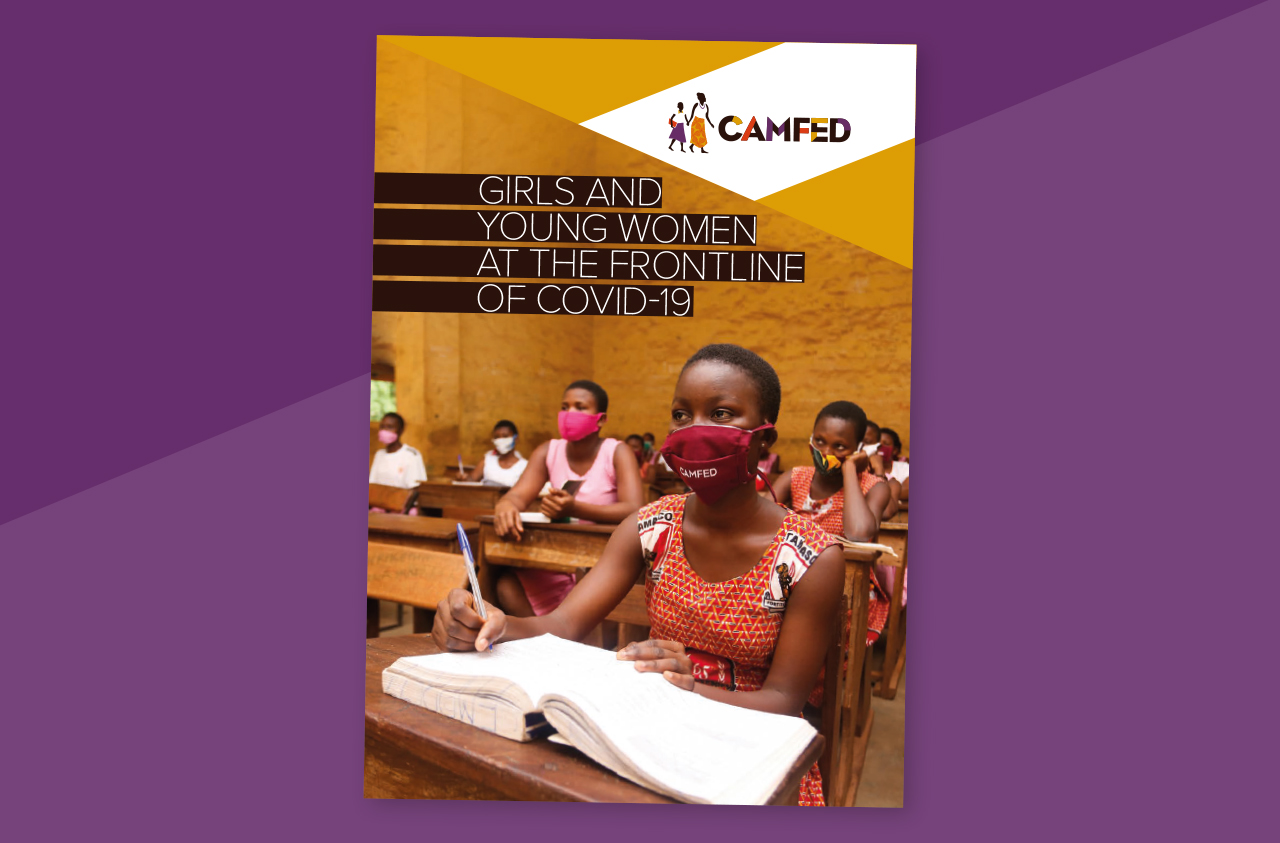
feature-block_covid19-action-brief.

COVID-19 Action Brief (2020)

‘Girls and Young Women at the Frontline of COVID-19’ lays out how the global pandemic is affecting communities where we operate, and outlines CAMFED’s approach to mitigate the impact. Our focus is on keeping girls learning and safe, and protecting young women’s sustainable livelihoods.

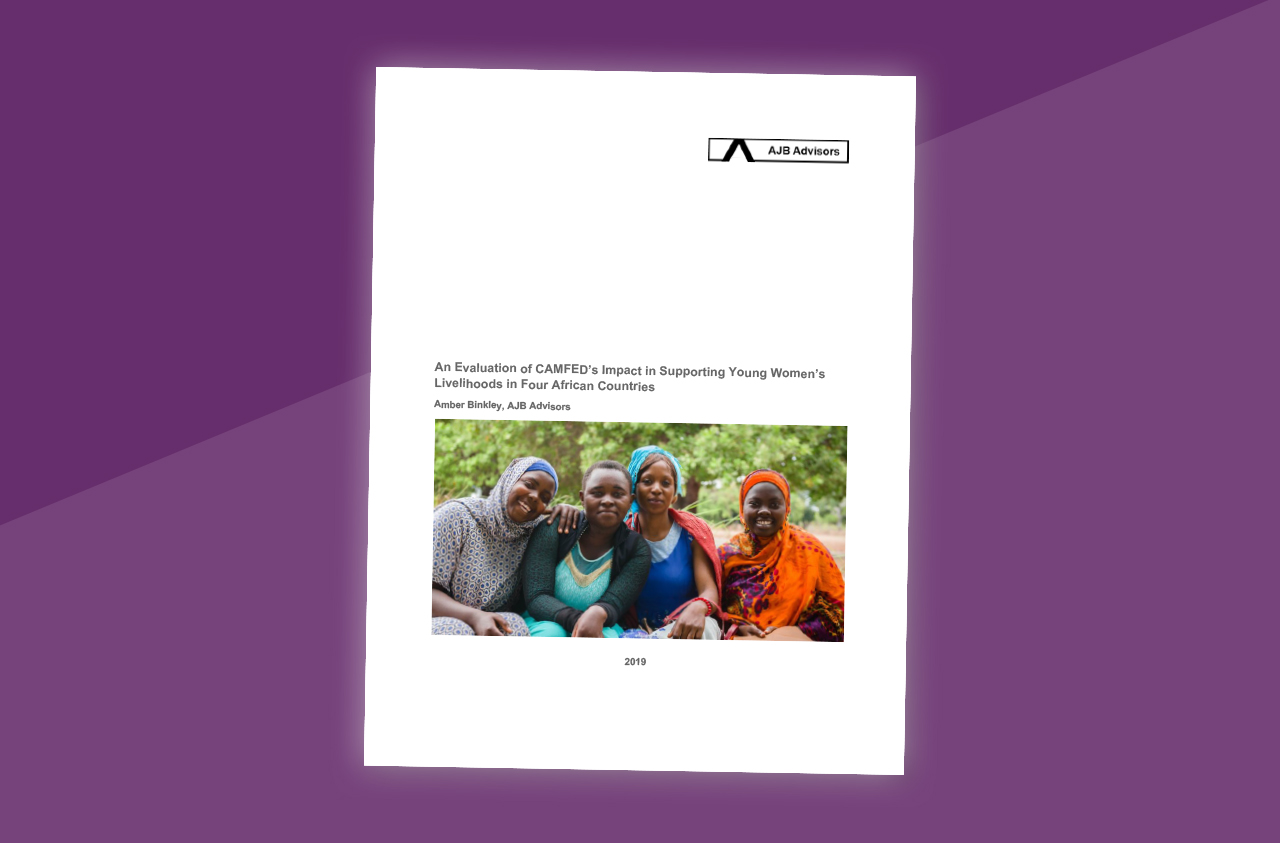
feature-block_impact-report-2020

Evaluation: CAMFED’s Impact in Supporting Young Women’s Livelihoods (2020)

This independent evaluation was commissioned to help CAMFED better understand
the impacts of its livelihoods program to date on several indicators of individual, household and
community well-being.

feature-block_cama-governance-report

Linklaters: CAMFED Association (CAMA) Governance Report (2019)

Get to know the structures, values and aims of the largest network of women leaders in Africa, through Diana Good’s report. It highlights how those with lived experience of poverty and exclusion have unrivalled expertise in supporting marginalized girls to go to school and succeed.

feature-block_our-partners_real

REAL Centre: Assessing cost-effectiveness with equity of a programme targeting marginalised girls in secondary schools in Tanzania (2018)

This policy paper provides a cost-effectiveness analysis of CAMFED’s program in Tanzania, which adopts a multidimensional approach aimed at reaching marginalized girls at risk of dropping out from secondary schools by using interventions that are aimed at both increasing their chances of staying in school and learning.

feature-block_when_you_educate-a-girl-everything-changes

When you Educate a Girl, Everything Changes (2014)

In this book, rich in visuals, meet Mastercard Foundation Scholars at CAMFED Ghana and members of their school communities. The girls and young women share the challenges they have faced in securing their education and their hopes for the future.

feature-block_impact-report-2010

Impact Report: A power-sharing model for system change (2010)

This Impact Report presents powerful evidence about how CAMFED effectively supports girls to go to school, keeps them there, enables them to thrive, and unlocks their power to lead. As they step up as community activists in the CAMFED Association, our impact increases exponentially.

Read the highlights here (PDF 5 MB)

feature-block_governance-report-2010

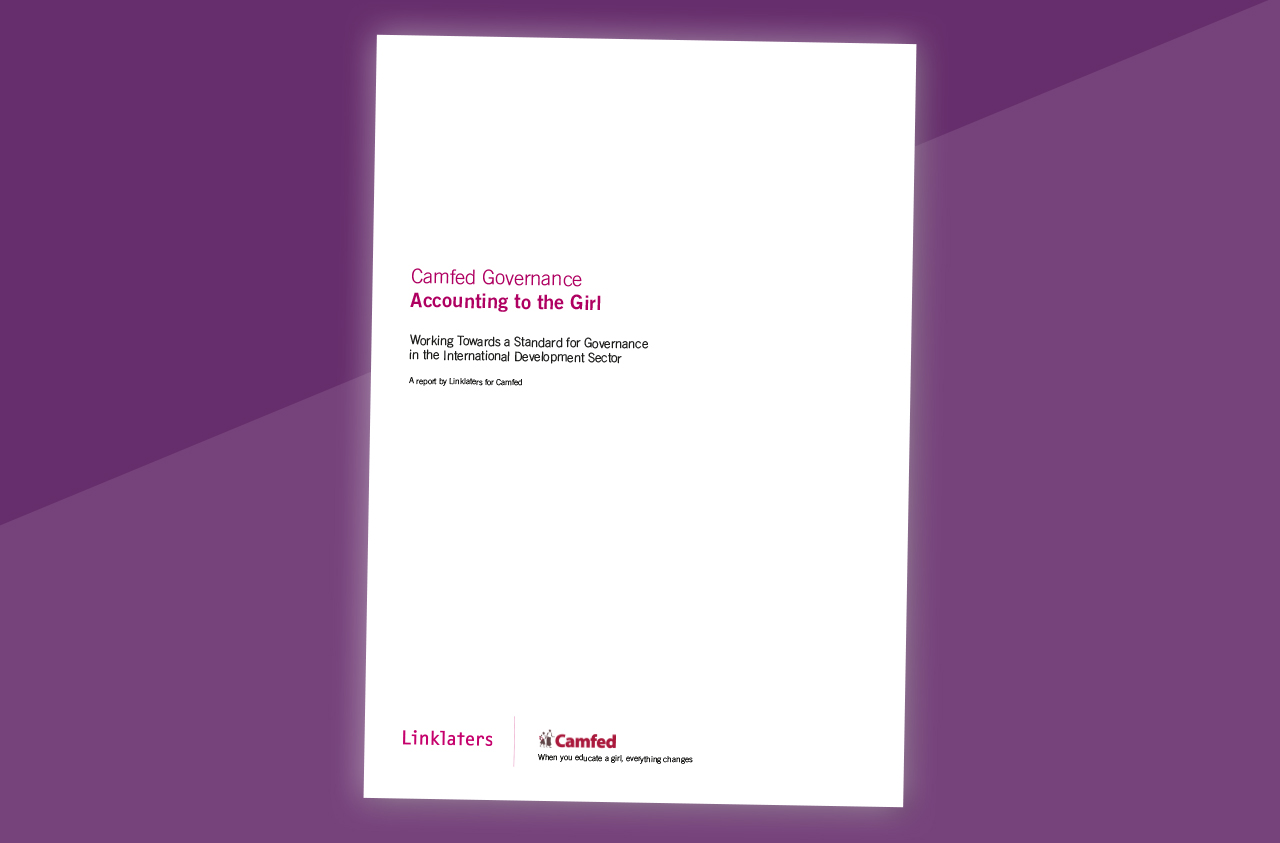
Linklaters: CAMFED Governance Report (2010)

The global law firm Linklaters produced this report to analyse CAMFED’s community-led structures in Africa. Our governance model places the individual girl — our client — at the center of everything we do, and shares responsibility for her long-term wellbeing with members of her community.

Annual reports and financial statements

Explore our innovative financial system and find our how we maintain high levels of accountability and transparency.

Finance & Accountability

Thank you to our generous recent donors

Together we are breaking the cycle of poverty

Donate

Candice Mims $26.60

Pamela K Shropshire $25

Amit Roy £12.70

Dionne Baker $10.90

Lola Skroch $700

Robin Gregory £5.40

Derek Juno $899

Debra Waite $21.40

Duane Cheers $52.90

Rob Andersen $500

Christina Michella $21.40

Shannan Timms $16.10

Dominique Bolden $28.70

August Burns $106

Anna Asare €14