
Education Leader, Ghana
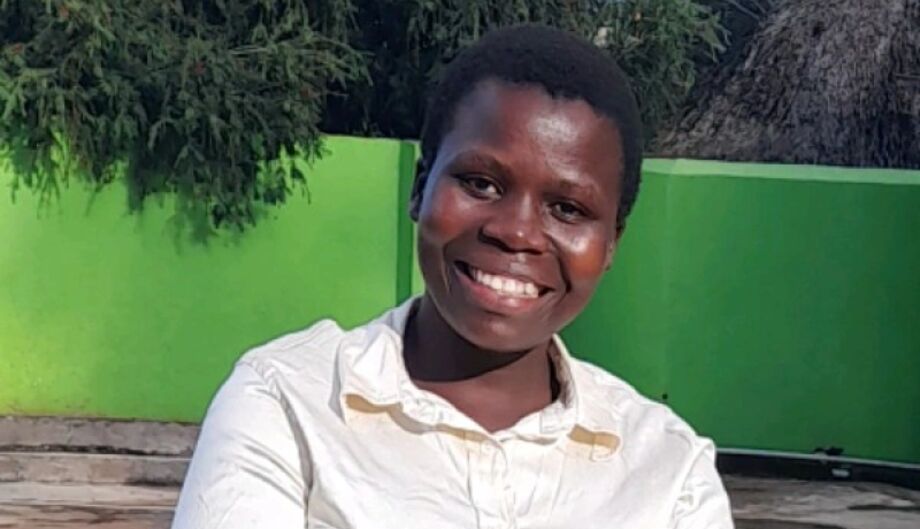
Catherine: I identify children facing challenges and step in
The most rewarding aspect of my work is witnessing the transformative impact of educated young women taking collective action with and for their communities.
Education Leader, Ghana
9 minute read
There was a time when I wasn’t sure I’d be able to continue my education. Now, I’m a teacher and a peer mentor. I’m also studying for an MPhil in Education, to contribute to building education systems that better support young people and girls in Ghana.
After completing primary school, my dream of continuing to high school came to a sudden halt because my family simply could not afford it. Although my parents wished they could do more, the reality of our finances meant I spent three years supporting my mother as she sold goods. During those years, my mother told everyone who would listen about my dream to continue my education.
One day, my mother’s friend told her about a free senior high school at the outskirts of our community. That single conversation changed the direction of my life.
When I enrolled, I met three remarkable young women who were prefects at the school. They were confident and academically outstanding. Later, when I learned that CAMFED supported them with scholarships to university, my dreams of pursuing tertiary education suddenly felt closer than before.
After graduating senior high school I joined the CAMFED Association–the network of women leaders educated with CAMFED’s support–and gained admission to the University of Cape Coast. CAMFED covered all my tuition fees and supported me with accommodation and a laptop.
As the youngest of four sisters and the first girl in my family to go to university, my journey became a symbol of hope for all of us. For me, it meant breaking a ceiling no one before me had imagined could be broken. For my family, it meant witnessing the power of faith, opportunity and perseverance.
For girls raised in communities like mine, education widens the road of possibility. Educating a girl reshapes her future, her family’s future and in many cases, the future of an entire community.
When I arrived at university, everywhere I looked, CAMFED Association (CAMA) sisters were breaking barriers and leading change. They reminded me daily that where you come from does not define where you can go. In their presence, I learned to dream boldly, work hard, and believe that I could become the person I aspired to be.
Being part of the CAMFED sisterhood feels like having a best friend beside you every step of the way. Through every challenge and every victory, CAMFED has connected me to a family of sisters who understand my world, my struggles, and my dreams.
Our support for one another comes in many forms, including academic, professional, emotional, and spiritual. As a first-generation student, my family encouraged me, but they did not always understand the academic world I was navigating. My CAMA sisters filled that gap. They cheered me on, advised me, and offered emotional support whenever things felt overwhelming.
The words and examples of older CAMFED Association sisters have guided many of my decisions and inspired me to aim higher than I ever imagined. In this sisterhood, support is not an obligation but simply a natural way of being.
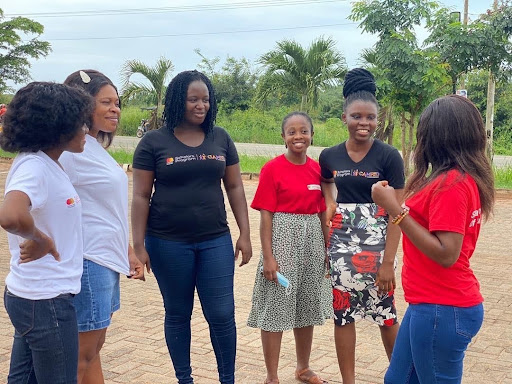
Me (second from right) with my CAMFED Association sisters
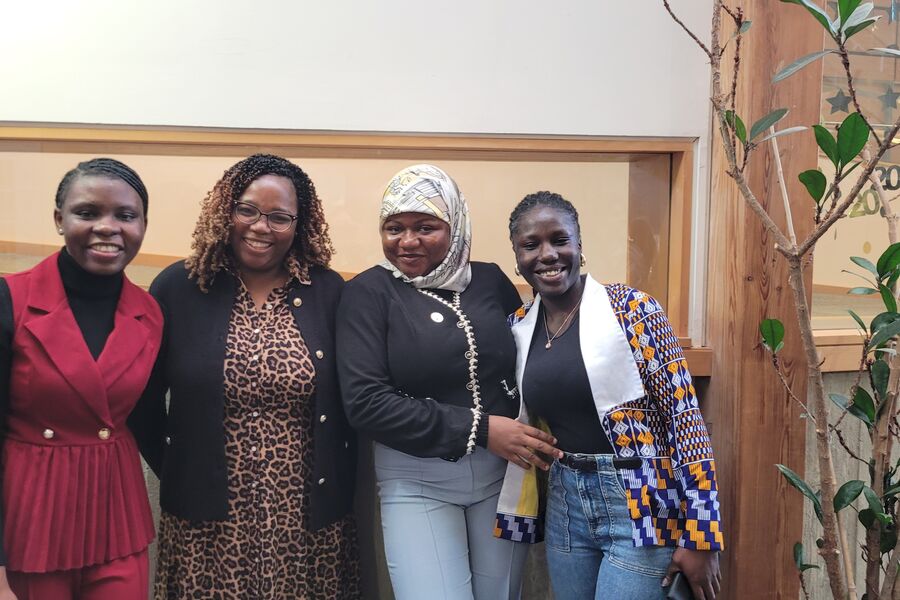
Me (left) with CAMFED Association sisters after contributing to a symposium on scaling CAMFED’s youth-led mentorship (Learner Guide) model in Tanzania. Fiona Mavhinga, who co-founded our network, is standing next to me.
One of the most memorable moments in this sisterhood was when we traveled to a rural community to teach entrepreneurial skills to women who relied solely on farming for their livelihoods. During the off season, their incomes dropped, and many girls missed school because they could not afford necessities like menstrual pads.
We taught the women how to make soap and provided the initial materials. We also provided the girls with menstrual pads, so that they could stay in school.
When we returned the following semester, the women had started selling the soap and earning additional income to support their families. Their homes were empty because their children were in school. Seeing that transformation — from financial struggle to financial independence — showed me the impact that knowledge can bring.
Growing up as a first-generation student, I navigated my education with very little guidance. When I learned how CAMFED’s Learner Guide program supports young people in rural communities I knew I wanted to be the role model I never had.
I trained as a Learner Guide, mentoring almost 70 girls over two years. The greatest reward was seeing young people believe in themselves. Watching them shift their thinking, broaden their dreams and begin to see possibilities beyond their immediate circumstances filled me with joy. To serve as a role model, especially for children from marginalized communities, is an honor for me.
Whilst delivering My Better World life skills and wellbeing sessions as a Learner Guide, I enjoyed the energy, engagement, and transformation I saw in the students. Their confidence grew, their perspectives widened, and their excitement to participate made me genuinely happy.
Role models like Learner Guides show rural girls what is possible. Many girls in rural communities grow up surrounded by limiting beliefs about who they can become. When they see someone who looks like them, speaks like them, and comes from the same background achieve their dreams, it reshapes the story they tell themselves.
Role models light a path that may not have existed before and make the dreams of rural girls feel real.
Over time, I realized that teaching came naturally to me. I wanted to become a professional teacher–the kind who guides learners based on their strengths, abilities, and true interests.
I believe that when young people choose careers they genuinely care about, they make a greater and more meaningful impact. I wanted to walk with learners as they make those important decisions.
I enjoy watching students grow, not just academically but emotionally and socially. At a senior high school, where I taught, I loved seeing the small signs that students were beginning to believe in themselves–whether it be speaking up during group discussions or showing up each day for class.
One challenge I have faced has been teaching students who come to school carrying heavy burdens. Sometimes the real challenge is not the lesson itself, but the emotional needs behind it. I learned to navigate this through patience, empathy, and creativity. I learned to teach beyond the curriculum, to listen, to encourage, and to meet each student exactly where they are.
My own educational journey influenced the way I taught. Education, for me, was never only about academics—it was about guidance, hope, and support.
I know what it feels like to sit in a classroom with big dreams but very little direction. I share my story to remind students that their circumstances do not define their future.
The story of one student I used to teach has stayed with me. In my class was a brilliant girl who consistently performed well in group discussions but rarely submitted homework. One afternoon, I gently asked her how she was coping. That was when she opened up about her reality at home. During fishing season, she woke up at dawn to help her mother smoke fish before walking nearly an hour to school. By the time she returned home, she was so exhausted that she struggled to complete homework, especially because they did not have electricity and she relied on a small torchlight that often ran out of batteries.
I worked with the head teacher and other staff to allow her to spend time in the school library after classes, where she had light, quiet, and space to study. I also paired her with a peer who assisted her and encouraged her through the challenges. The day she came running to me after afternoon assembly with her exam results, she said, “Madam, thank you for not giving up on me.”
That moment reminded me why equity in education matters so deeply. Sometimes the gap is not in ability, but in access. And when we bridge that gap, even a little, we give a child back their future.
Growing up in a community where many children struggled to access education, I became deeply passionate about understanding education systems and the policies that promote equity for all learners–especially rural girls and students with disabilities.
I chose to pursue an MPhil in Education, Globalisation, and International Development, because I saw an opportunity to gain the knowledge and skills needed to contribute meaningfully to closing Ghana’s wide education inequity gap. My goal is to help create educational spaces where every child feels seen, supported, and can succeed.
I want to help shape systems that do not leave any child behind, no matter where they were born or what challenges they face.
I want to gather evidence that can drive real change, especially in a world shaped by rapid globalisation and shifting development priorities. For me, it was never only about earning a degree, but equipping myself with the knowledge to create lasting change.
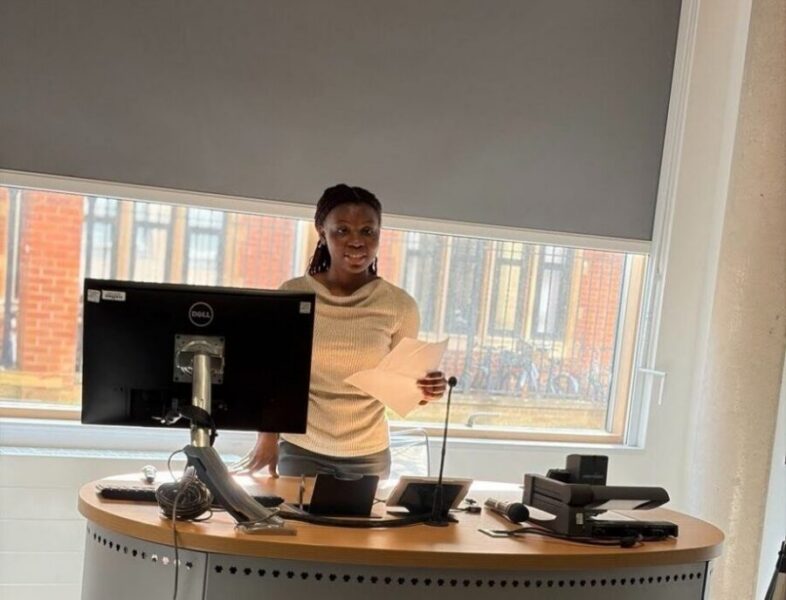
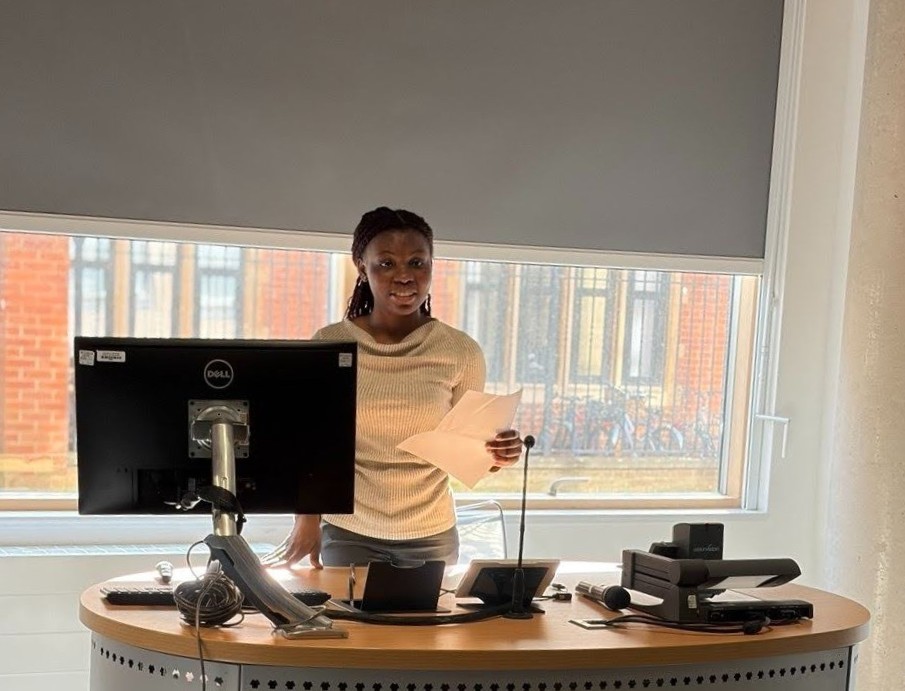
Me presenting my work at university
The most rewarding aspect of my work is witnessing the transformative impact of educated young women taking collective action with and for their communities.
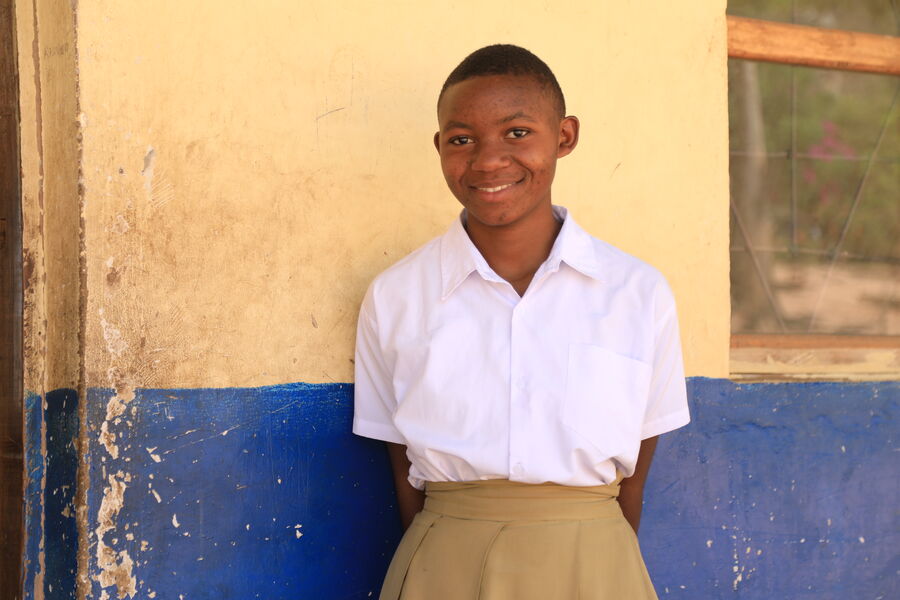
Through education, I’m developing my intellect and learning to make the right decisions with confidence.
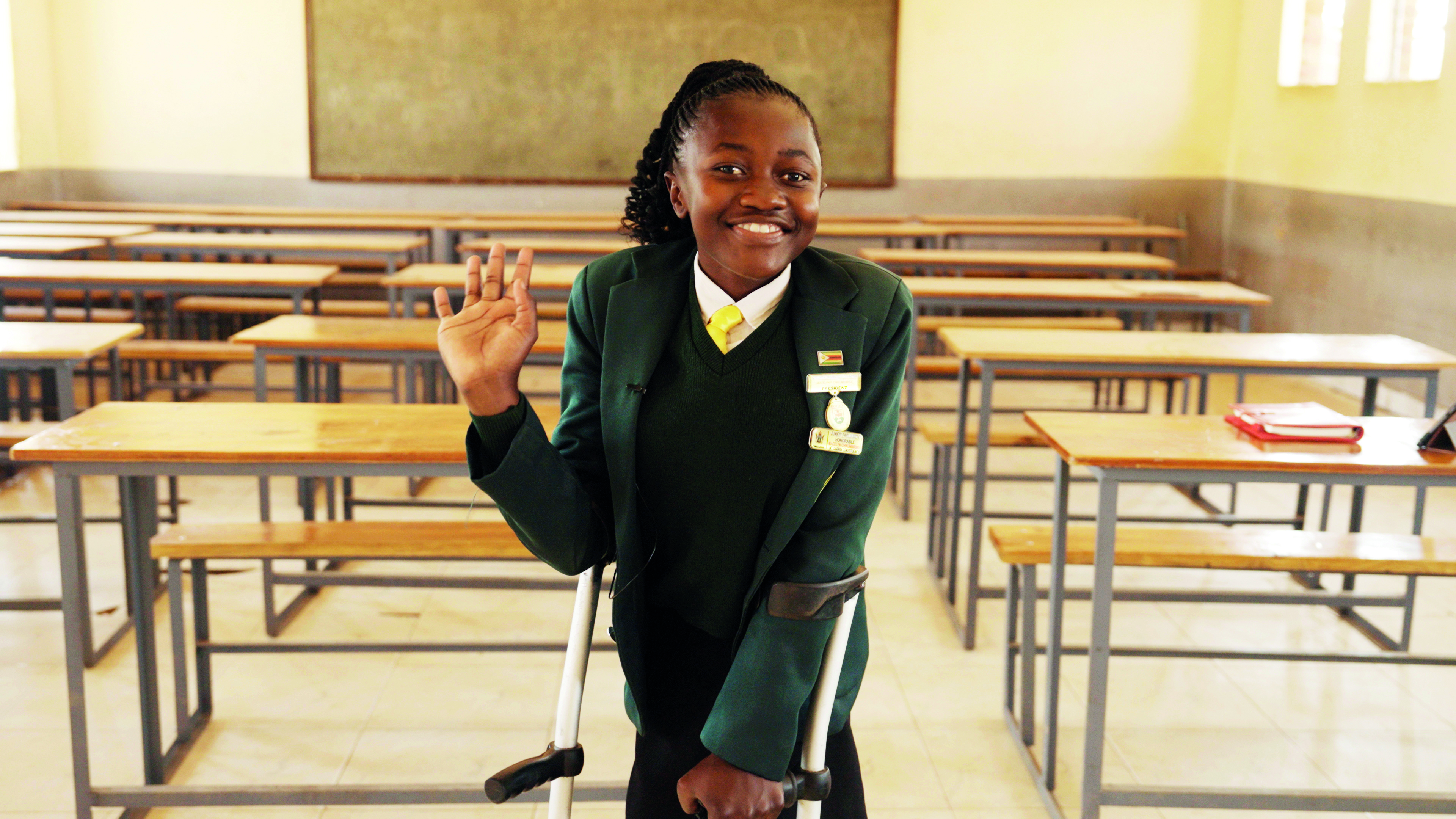
Through education, I’m strengthening my understanding of child rights and protection, equipping me to make informed decisions that safeguard peers in my community.
Faisal Sohail $26.60
Marilyn Daggett $37.10
Cynthia Ganote $52.90
Chantal Perreault $316
Tracy Burkeen $21.40
Oreoluwa Agunbiade $52.90
Ruth Misevic $21.40
Carmen Mora $211
Vikki Perkins $106
Charles Heard $10.90
Erica Inge $169
Renee Tribert $232
Belinda Hay $16.10
Tianyu Li €81
Brittney Moran $21.40
Spark Change Today
Support our end-of-year appeal and help change the story for girls for generations to come.