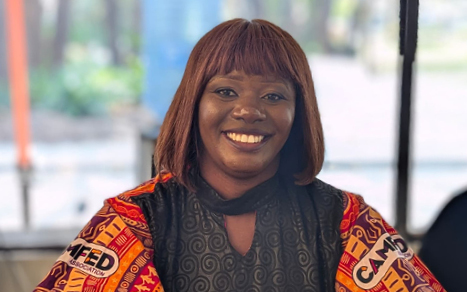
All of us have a story. Every great person you see has a background. I want you to know that even if things look to be so difficult right now, there will be a point in life when you look back and smile. You will be happy and you will be proud of yourself, because you realized the power you have to change that story of yours.
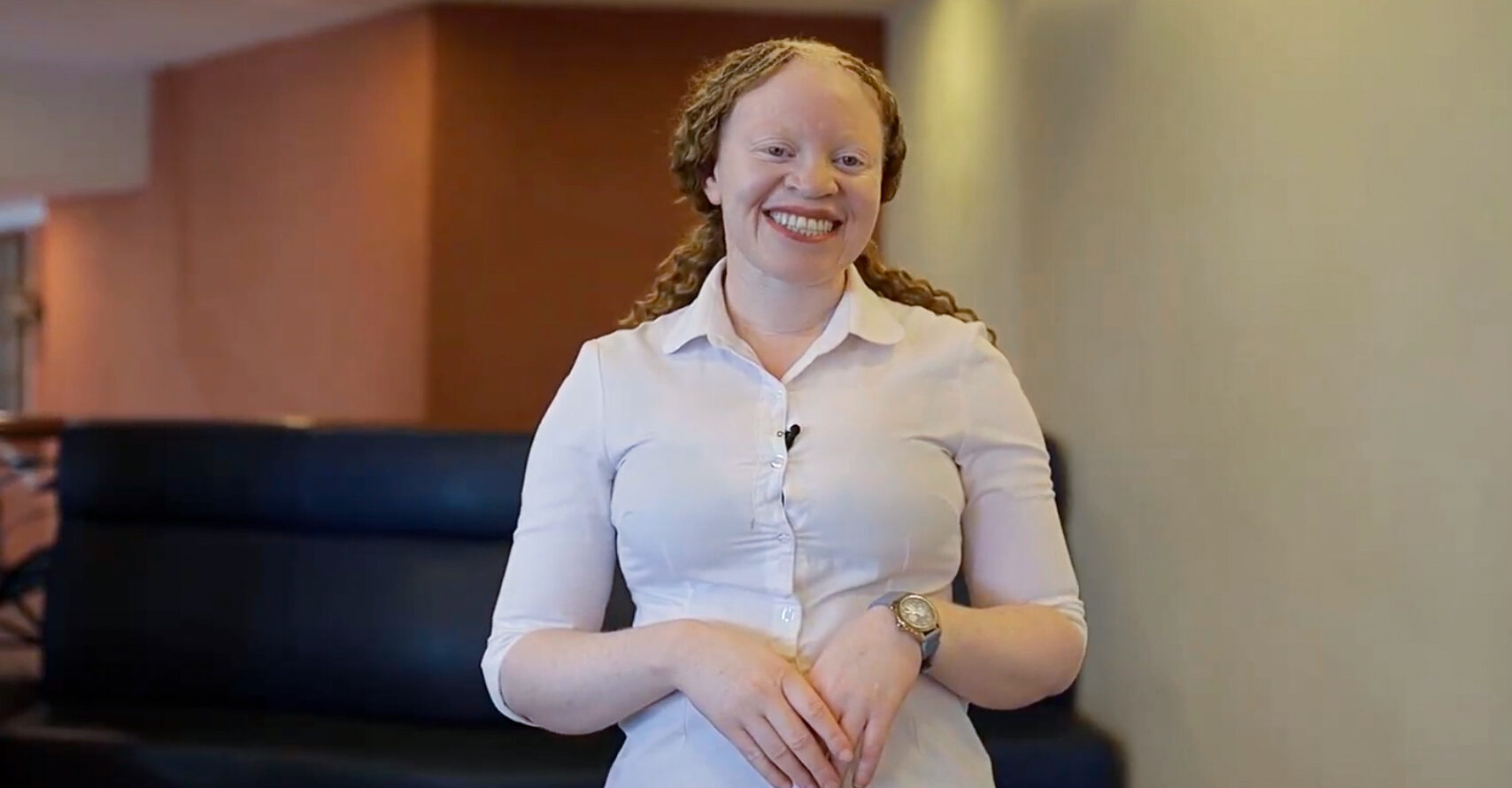
My name is Gift. I’m a Psychosocial Counselor by profession, and I advocate for people living with disabilities including albinism.
I was raised by my parents in Kasama, northern Zambia, and I started primary school in a small rural village called Mporokoso. My parents were always supportive of my education. However, when I sat for my end-of-primary school exams and qualified to go to secondary school, they simply couldn’t afford the costs involved, including uniforms and books.
In my first year of secondary school, CAMFED identified me for support. They provided me with mentoring and school essentials, helping me thrive for the rest of my time at school. I was even elected as Vice Head Girl!
Education will keep on giving us opportunities even when we are doubting ourselves, even when we feel limited.
After graduating from school in 2016, I attended a leadership training run by CAMFED. My interest in becoming a leader really grew from there.
I joined the CAMFED Association of women leaders and volunteered as a Learner Guide at a local secondary school, serving as a role model and “big sister” to the next generation of girls. Then, in 2023, I was proudly elected as the CAMFED Association Chairperson for my district.
The CAMFED Association has been a home and a foundation for my leadership journey. It gave me space to find my voice, learn, make mistakes, grow, and believe in myself.
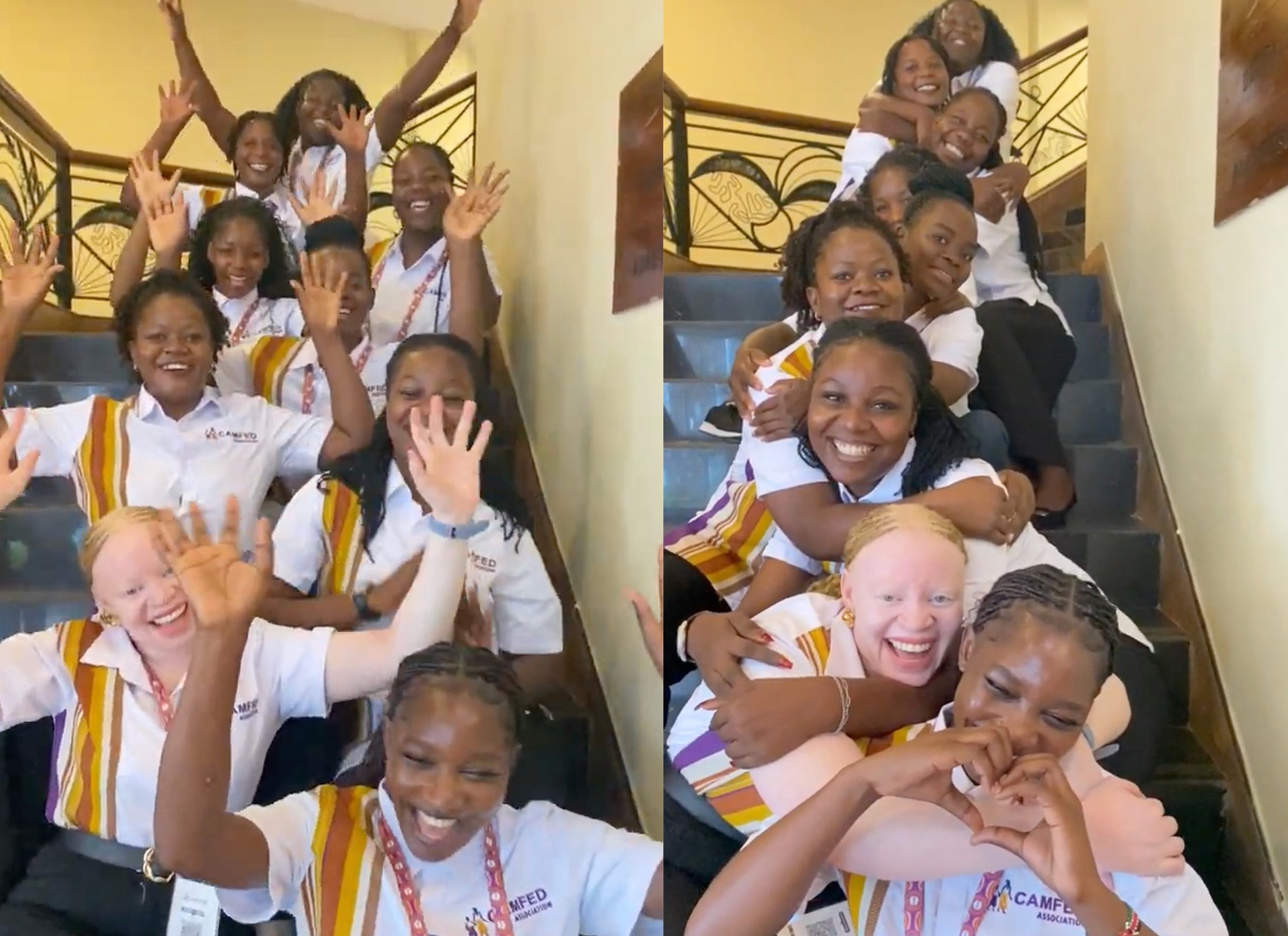
Me with my CAMFED Association sisters at the 2026 CAMA Summit in Accra, Ghana.
Advocating for others
Living with albinism, I have faced multiple challenges throughout my education journey. Things were particularly difficult before I moved to a more accommodating secondary school. I couldn’t see what was written on the board, and not many people were willing to help me with my notes. I had to drop mathematics and science, which could have limited my future.
After finishing school, I became more curious about the issues affecting people with albinism. I did my own research, and in 2017, I joined the Albinism Foundation Zambia (AFZ) to raise awareness. That was an easy path for me because I could relate everything I’ve been going through as a person with albinism. I was assigned as a contact person for a boy with albinism to support him and his grandmother, who didn’t know much about albinism.
I realized that many people with albinism were suffering because there was no one sharing the information.
There were times when I met people with albinism who were really struggling, sometimes to the extent they didn’t want to associate with people. That’s what motivated me to pursue a psychosocial counseling course at the University of Zambia.
As a counselor, I have seen people walk in who never wanted to talk to anyone, to then walk out there wanting to explore relationships. These moments have shaped me.
I used to think, why can’t we just talk more about albinism? But meeting people and understanding their experiences made me realize there is a need for much more. I developed an interest in exploring the human rights issues affecting people with albinism, especially in education, health, and security, which led me to stepping up as a human rights defender.
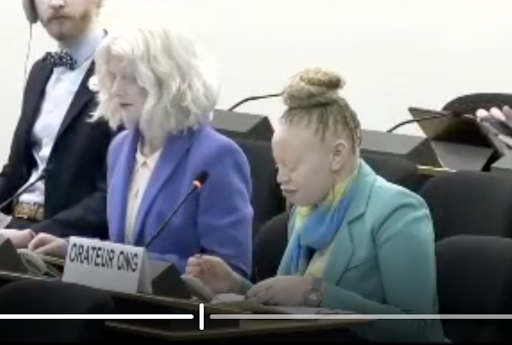
In 2026, I spoke at the United Nations Human Rights Council in Geneva, advocating for the rights of people with albinism.
It was a proud moment, as I shared my message loud and clear: the world cannot achieve sustainable development while leaving persons with albinism behind. Our contributions are vital to our shared future.
My leadership journey has not been easy, as most organisations in Zambia promoting the rights of persons with albinism are predominately run by men. What really helped me was the encouragement from my CAMFED Association sisters and my family. I reframed negative comments to build on myself, and I used positive comments as fuel to keep going. Today, I am the chairperson for the alliance of all organisations dealing with albinism in Zambia.
The future is bright with women’s involvement in it.
Paying it forward
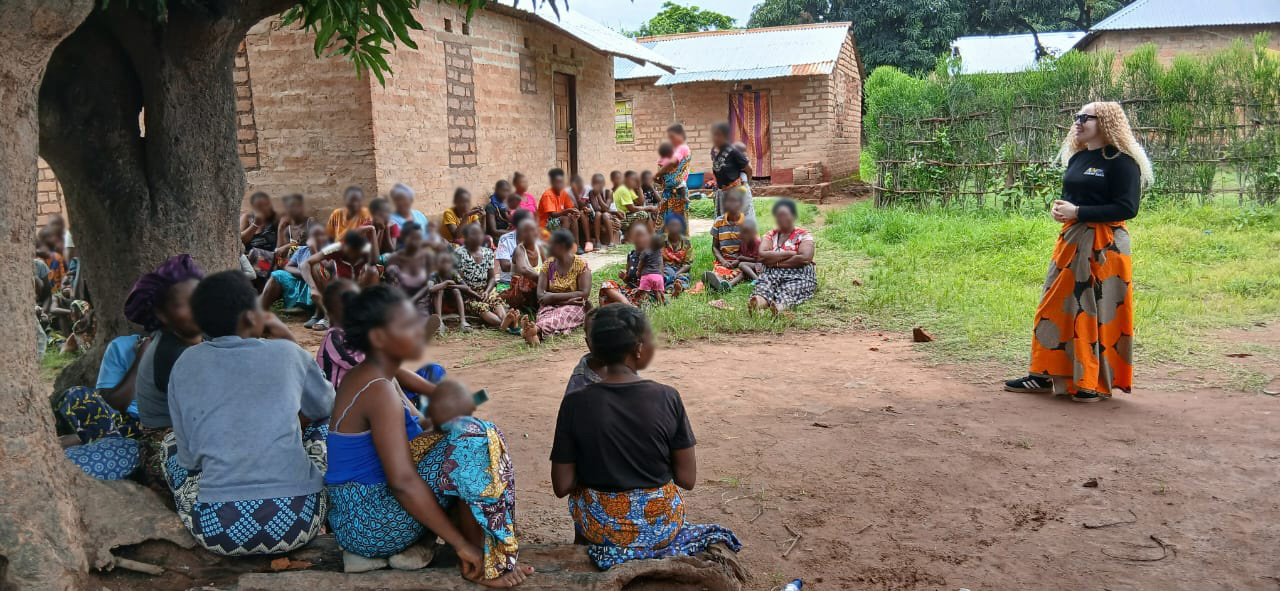
I support others financially, and I often join my CAMFED Association sisters in the community to share our stories and the importance of education. We are role models to girls, as they look up to us to say, “If they did it, so can I!” We’re giving them hope for the future that it is possible.
My duty now is to make sure that I take it forward.
Here I am speaking with community members.
Seeing someone in the community who went through the same as you gives you strength to move on and believe that indeed one day I can also make it in life.
Our communities not only see our success, they also see where we’re coming from. Our backgrounds matter because it is a basis to connect with people in the community to say, even if these things are happening to me, I can still build a life I enjoy and become somebody people look up to.
I went to school to acquire knowledge so that I can better this life, but also to just enjoy life as much as possible. And I’m doing that.
I want to tell the next generation of girls that your situation right now shouldn’t be able to define your future. It shouldn’t determine who you become. There is a lot more to life than what has happened to you, and I am living proof you can build and rebuild yourself every time.
I’m Wezzie from Zomba Rural in Malawi. I once struggled to get an education, so now I volunteer as a Learner Guide — a ‘big sister’ helping girls stay in school and thrive.
I bring hope by advocating for inclusive education and helping vulnerable girls stay in school. Together, we are building a future where everyone belongs.